Author: MSc Marcin Goras
Credentials: Master of Public Health, Specialization in Emergency Medical Services
Published: August 07, 2025
Last Updated: August 07, 2025
Reading Time: 15 minutes
Introduction: The Critical Post-Infarction Period
The journey following a myocardial infarction (heart attacka) extends far beyond the initial acute event. Current medical literature emphasizes that while modern interventional cardiology has significantly improved immediate survival rates, understanding potential complications remains crucial for optimal recovery. Studies published in major cardiovascular journals indicate that approximately 20-25% of patients experience at least one significant complication during their post-infarction course.
The landscape of post-myocardial infarction care has evolved dramatically over recent decades. Research demonstrates that early recognition of developing complications, combined with appropriate intervention, substantially improves both short-term and long-term outcomes. This comprehensive overview examines the spectrum of potential complications, their underlying mechanisms, and current evidence-based approaches to management.
Contemporary cardiac care emphasizes a multidisciplinary approach to post-infarction management. Healthcare teams now integrate cardiologists, rehabilitation specialists, nurses, and other professionals to provide comprehensive care. This collaborative model, supported by extensive clinical evidence, has been shown to reduce complication rates and improve quality of life for survivors.
Understanding the Pathophysiology of Post-Infarction Complications
 The development of complications following myocardial infarction stems from complex pathophysiological processes initiated by myocardial cell death. Research indicates that the extent and location of myocardial damage directly correlate with complication risk. When cardiac muscle cells die due to prolonged oxygen deprivation, a cascade of inflammatory and reparative processes begins, potentially leading to various complications.
Studies utilizing advanced cardiac imaging have revealed that the infarct zone undergoes distinct phases of evolution. The initial necrotic phase transitions through inflammatory and proliferative stages before reaching the maturation phase. Each stage presents unique risks for specific complications. Understanding these temporal patterns helps healthcare providers anticipate and monitor for particular complications at different recovery stages.
The concept of myocardial stunning and hibernation adds another layer of complexity. Research suggests that some cardiac tissue surrounding the infarct zone may temporarily lose function despite remaining viable. This phenomenon can contribute to early complications but may resolve with appropriate management, highlighting the importance of comprehensive assessment and ongoing monitoring.
Molecular studies have identified numerous biomarkers associated with increased complication risk. Elevated levels of cardiac troponins, natriuretic peptides, and inflammatory markers correlate with adverse outcomes. These discoveries have led to more sophisticated risk stratification protocols, enabling personalized monitoring and intervention strategies.
Immediate Complications (0-48 hours)
Arrhythmias and Conduction Disturbances
Cardiac rhythm disturbances represent the most frequent immediate complication, with observational studies documenting their occurrence in up to 90% of patients within the first 48 hours. These arrhythmias range from benign premature beats to life-threatening ventricular fibrillation. The mechanisms underlying post-infarction arrhythmias include altered automaticity, triggered activity, and re-entry circuits created by the heterogeneous conduction through infarcted tissue.
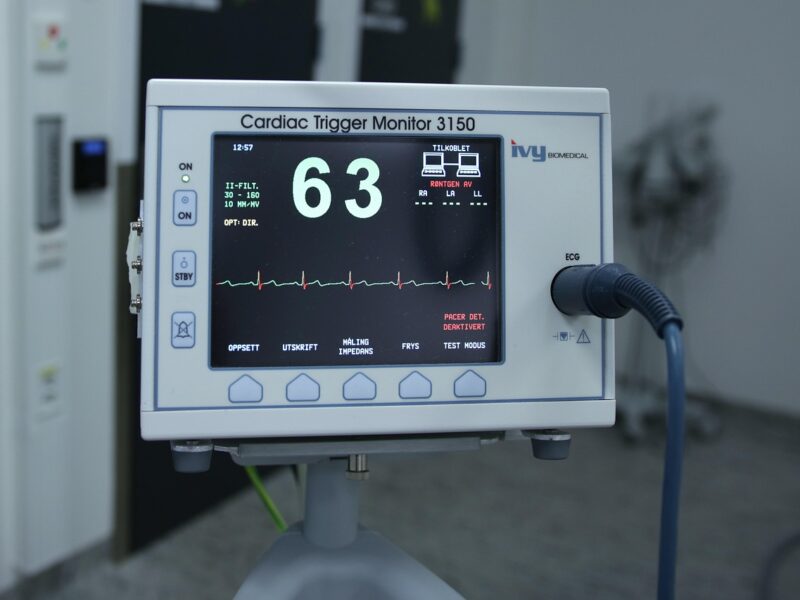
Ventricular arrhythmias pose particular concern during this period. Research indicates that primary ventricular fibrillation, occurring without warning signs, affects approximately 4-5% of patients, typically within the first hour. Continuous cardiac monitoring during this critical period enables rapid detection and intervention, significantly improving survival rates.
Acute Heart Failure and Cardiogenic Shock
The sudden loss of functional myocardium can precipitate acute heart failure, manifesting as pulmonary edema or cardiogenic shock. Epidemiological data suggests that cardiogenic shock complicates 5-10% of myocardial infarctions, with mortality rates remaining substantial despite advances in treatment. The severity correlates with infarct size, with anterior wall infarctions carrying higher risk due to greater left ventricular involvement.
Recent trials have explored various mechanical support devices for managing cardiogenic shock. While definitive optimal management strategies continue to evolve, early recognition and aggressive intervention remain paramount. Clinical indicators including hypotension, altered mental status, and reduced urine output warrant immediate evaluation and intervention.
Mechanical Complications
Although less common in the contemporary era of rapid reperfusion, mechanical complications can occur within hours of infarction. These include papillary muscle dysfunction leading to acute mitral regurgitation, interventricular septum rupture, and free wall rupture. Advanced imaging techniques, particularly echocardiography, play crucial roles in early detection of these potentially catastrophic complications.
| Time Period | Common Complications | Estimated Frequency | Key Monitoring |
|---|---|---|---|
| 0-24 hours | Ventricular arrhythmias, Cardiogenic shock | 10-30% | Continuous ECG, Hemodynamics |
| 1-3 days | Pericarditis, Reinfarction | 5-20% | Clinical assessment, Biomarkers |
| 3-7 days | Ventricular septal rupture, Papillary muscle rupture | 1-3% | Echocardiography, Physical exam |
| 1-8 weeks | Ventricular aneurysm, Dressler’s syndrome | 5-10% | Imaging studies, Inflammatory markers |
| Months-Years | Chronic heart failure, Ventricular remodeling | 20-30% | Regular follow-up, Functional assessment |
Early Complications (2-7 days)
Post-Infarction Pericarditis
Pericardial inflammation following myocardial infarction occurs through two distinct mechanisms. Early pericarditis, developing within days, results from direct inflammatory extension from the infarcted myocardium. Clinical studies report its occurrence in 5-20% of patients, with transmural infarctions carrying higher risk. Characteristic features include positional chest pain and pericardial friction rub on auscultation.
Management approaches have evolved based on accumulating evidence. While anti-inflammatory agents provide symptomatic relief, careful consideration of bleeding risk is essential, particularly in patients receiving dual antiplatelet therapy. Recent guidelines emphasize individualized treatment decisions based on symptom severity and overall clinical context.
Reinfarction and Recurrent Ischemia
Despite successful initial treatment, some patients experience recurrent ischemic events during the early recovery period. Registry data indicates reinfarction rates of 2-5% within the first week, with significant impact on prognosis. Risk factors include incomplete revascularization, stent thrombosis, and progressive atherosclerotic disease in non-culprit vessels.
The phenomenon of no-reflow, where microvascular dysfunction prevents adequate tissue perfusion despite patent epicardial vessels, represents another challenge. Advanced imaging techniques increasingly recognize this complication, though optimal management strategies remain under investigation.
Ventricular Septal and Free Wall Rupture
Mechanical complications typically manifest between days 3-7 when necrotic myocardium is weakest. While contemporary rapid reperfusion has reduced incidence to less than 1%, these complications carry high mortality. Risk factors include first infarction, anterior location, elderly age, and female gender. Surgical intervention, though high-risk, often represents the only definitive treatment option.
Late Complications (Weeks to Months)
Ventricular Remodeling and Aneurysm Formation
The process of ventricular remodeling begins immediately post-infarction but becomes clinically apparent over weeks to months. Studies using serial cardiac imaging demonstrate progressive ventricular dilation and geometric distortion in 20-30% of patients. This adverse remodeling correlates with increased heart failure risk and reduced long-term survival.
Ventricular aneurysm, defined as a discrete dyskinetic ventricular segment, develops in approximately 5-10% of patients. Large anterior infarctions without timely reperfusion carry the highest risk. Complications of ventricular aneurysms include heart failure, thromboembolism, and ventricular arrhythmias. Management decisions require careful assessment of symptoms, aneurysm characteristics, and overall ventricular function.
Dressler’s Syndrome
This immune-mediated pericarditis typically develops 2-10 weeks post-infarction, though incidence has declined in the reperfusion era. Current estimates suggest occurrence in 1-5% of patients. The pathophysiology involves autoimmune response to cardiac antigens released during myocardial necrosis. Clinical presentation includes fever, pleuritic chest pain, and elevated inflammatory markers.
Chronic Heart Failure
The transition from acute myocardial injury to chronic heart failure represents a major determinant of long-term outcomes. Epidemiological studies indicate that 20-40% of myocardial infarction survivors develop symptomatic heart failure within five years. Multiple factors influence this progression, including infarct size, successful reperfusion, medical therapy adherence, and comorbid conditions.
Neurohormonal activation plays a central role in heart failure development. The renin-angiotensin-aldosterone system and sympathetic nervous system, initially compensatory, ultimately contribute to adverse remodeling. Understanding these mechanisms has led to evidence-based pharmacological interventions that significantly improve outcomes when initiated early and maintained long-term.
Risk Stratification and Predictive Factors
Contemporary cardiology emphasizes risk stratification to identify patients most likely to develop complications. Multiple scoring systems incorporate clinical, laboratory, and imaging parameters to estimate risk. The TIMI risk score, GRACE score, and other validated tools help guide intensity of monitoring and intervention.
Key factors associated with increased complication risk include:
- Infarct characteristics: Studies consistently demonstrate that anterior wall location, large infarct size, and delayed reperfusion correlate with higher complication rates
- Patient demographics: Advanced age, female gender, and certain ethnic backgrounds show statistical associations with specific complications
- Comorbidities: Diabetes mellitus, chronic kidney disease, and prior cardiovascular disease significantly impact complication risk
- Clinical presentation: Killip class on admission, presenting blood pressure, and heart rate provide important prognostic information
- Laboratory markers: Elevated troponin peaks, natriuretic peptides, and inflammatory markers correlate with adverse outcomes
- Imaging findings: Left ventricular ejection fraction, wall motion abnormalities, and microvascular obstruction predict complications
Integration of these factors enables personalized risk assessment, facilitating appropriate resource allocation and intervention strategies. High-risk patients benefit from intensive monitoring and aggressive preventive measures, while low-risk individuals may safely undergo accelerated rehabilitation protocols.
Recognizing Warning Signs: Clinical Presentation of Complications
Early recognition of developing complications requires awareness of clinical manifestations. Healthcare providers and patients should understand warning signs warranting immediate evaluation. Research emphasizes that delayed recognition significantly impacts outcomes, particularly for time-sensitive complications.
Cardiovascular Warning Signs
Recurrent chest discomfort may indicate various complications, from recurrent ischemia to pericarditis. Distinguishing features help differentiate causes, though definitive diagnosis often requires additional testing. Positional variation suggests pericarditis, while exertional symptoms indicate possible ischemia or heart failure.
Dyspnea represents a particularly important symptom, potentially indicating heart failure, arrhythmias, or pulmonary complications. Progressive dyspnea, orthopnea, or paroxysmal nocturnal dyspnea warrant prompt evaluation. Studies indicate that patient education regarding these symptoms improves early presentation and outcomes.
Systemic Manifestations
Fever developing days to weeks post-infarction may indicate pericarditis, Dressler’s syndrome, or infection. The temporal pattern and associated symptoms guide differential diagnosis. Persistent or recurrent fever requires investigation to exclude serious complications.
Neurological symptoms, including syncope, dizziness, or altered mental status, may result from arrhythmias, hypotension, or embolic events. These symptoms mandate immediate evaluation given potential for rapid deterioration.
Management Approaches and Recovery Strategies
Evidence-based management of post-infarction complications continues to evolve with advancing medical knowledge. Current approaches emphasize early intervention, multidisciplinary care, and individualized treatment plans based on specific complications and patient characteristics.
Pharmacological Interventions
Medical therapy forms the cornerstone of complication prevention and management. Beta-blockers, demonstrated in numerous trials to reduce mortality and arrhythmias, are generally initiated early unless contraindicated. Angiotensin-converting enzyme inhibitors or angiotensin receptor blockers prevent adverse remodeling and reduce heart failure progression.
Antiplatelet therapy reduces recurrent ischemic events, though duration and intensity require individualization based on bleeding risk. Statin therapy provides pleiotropic benefits beyond lipid lowering, including plaque stabilization and anti-inflammatory effects. Mineralocorticoid receptor antagonists benefit select patients with reduced ejection fraction or heart failure.
Device Therapy
Implantable devices play increasing roles in managing specific complications. Primary prevention implantable cardioverter-defibrillators reduce sudden cardiac death risk in patients with severely reduced ejection fraction. Cardiac resynchronization therapy benefits select patients with heart failure and conduction abnormalities. Ongoing research explores novel devices for mechanical complications and heart failure management.
Cardiac Rehabilitation
Comprehensive cardiac rehabilitation programs significantly impact outcomes. Meta-analyses demonstrate 20-30% mortality reduction with structured rehabilitation participation. Programs typically include supervised exercise training, risk factor modification, psychosocial support, and education. Despite proven benefits, utilization remains suboptimal, particularly among women and minorities.
Exercise components progress gradually based on individual capacity and complication status. Initial phases emphasize low-intensity activities with careful monitoring. Progressive increases in intensity and duration follow established protocols, with modifications for specific complications. Home-based programs increasingly supplement center-based rehabilitation, improving accessibility.
Prevention Strategies: Minimizing Complication Risk
Prevention of post-infarction complications begins during acute management and continues indefinitely. Research demonstrates that comprehensive prevention strategies significantly reduce both early and late complications.
Secondary Prevention Measures
Risk factor modification remains fundamental to preventing complications and recurrent events. Smoking cessation, consistently shown to improve outcomes, should be aggressively pursued with behavioral and pharmacological support. Blood pressure control, targeting evidence-based goals, reduces heart failure and recurrent events. Glycemic control in diabetic patients requires careful balance between intensive management and hypoglycemia risk.
Dietary modifications, emphasizing Mediterranean-style patterns, show cardiovascular benefits. Sodium restriction helps manage heart failure risk, while adequate protein intake supports healing. Weight management, particularly for obese patients, improves multiple cardiovascular parameters.
Monitoring and Follow-up
Structured follow-up protocols enable early complication detection and intervention. Initial post-discharge visits typically occur within 1-2 weeks, with subsequent frequency based on individual risk. Remote monitoring technologies increasingly supplement traditional visits, enabling continuous assessment of selected parameters.
Regular assessment includes symptom review, physical examination, and appropriate testing. Echocardiography evaluates ventricular function and detects mechanical complications. Electrocardiography identifies arrhythmias and conduction abnormalities. Laboratory monitoring ensures medication safety and detects metabolic complications.
Long-term Outlook and Quality of Life Considerations
The prognosis following myocardial infarction has improved dramatically over recent decades. Contemporary management, including rapid reperfusion and evidence-based medical therapy, has reduced one-year mortality to approximately 10% for all-comers. However, individual prognosis varies substantially based on multiple factors.
Long-term survival correlates strongly with successful complication management. Patients experiencing uncomplicated courses show five-year survival rates exceeding 90%. Conversely, those with major complications face reduced but improving survival. Heart failure development particularly impacts prognosis, though modern therapies continue to improve outcomes.
Quality of Life After Complications
Beyond survival, quality of life represents a crucial outcome measure. Studies indicate that many patients achieve excellent functional status despite experiencing complications. Factors influencing quality of life include symptom burden, functional capacity, psychological well-being, and social support.
Depression and anxiety frequently complicate recovery, affecting 20-30% of survivors. These psychological complications impact medication adherence, rehabilitation participation, and overall outcomes. Screening and appropriate intervention for psychological complications increasingly recognized as essential care components.
Return to Activities
Resumption of work and recreational activities varies based on complication severity and occupational demands. Uncomplicated patients often return to sedentary work within 2-4 weeks, while those with complications may require extended recovery. Vocational rehabilitation services help optimize return to productive activities.
Sexual activity, often concerning for patients, can generally resume when moderate physical activity is tolerated. Healthcare providers should proactively address these concerns, providing specific guidance based on individual circumstances.
When to Seek Medical Care: Guidance for Patients and Families
Understanding when to seek medical attention remains crucial for optimal outcomes. Patients and families should receive clear guidance regarding warning signs mandating immediate evaluation versus symptoms appropriate for scheduled appointments.
Emergency Warning Signs Requiring Immediate Attention:
- Chest pain or pressure, particularly if similar to initial heart attack symptoms
- Severe shortness of breath or sudden breathing difficulty
- Rapid or irregular heartbeat associated with dizziness or chest discomfort
- Fainting or near-fainting episodes
- Sudden weakness, especially if affecting one side of the body
- Confusion or altered mental status
- Severe abdominal pain or persistent vomiting
Symptoms Warranting Prompt Medical Contact (Within 24 Hours):
- Progressive shortness of breath with daily activities
- New or worsening leg swelling
- Weight gain exceeding 2-3 pounds in 24 hours
- Persistent fever without obvious cause
- Palpitations without associated severe symptoms
- Increasing fatigue limiting usual activities
Healthcare providers should emphasize that uncertainty about symptom significance warrants medical contact. Delayed presentation due to uncertainty or denial significantly impacts outcomes for serious complications. Family members often play crucial roles in recognizing concerning changes and facilitating appropriate medical attention.
Conclusion: Navigating Recovery with Knowledge and Support
The journey following myocardial infarction presents challenges and opportunities. While complications may occur, advances in medical understanding and treatment have substantially improved outcomes. Current evidence emphasizes that proactive management, combining medical therapy, lifestyle modification, and regular monitoring, optimizes recovery trajectories.
Patients and families should understand that experiencing complications does not preclude meaningful recovery. Many individuals who develop complications ultimately achieve excellent quality of life through appropriate management. The key lies in early recognition, prompt intervention, and sustained commitment to recovery protocols.
Healthcare providers play essential roles in guiding recovery, but patient engagement remains paramount. Understanding potential complications, recognizing warning signs, and actively participating in rehabilitation and prevention strategies empower patients to optimize their outcomes. Regular communication with healthcare teams ensures that concerns are addressed promptly and management plans remain appropriate.
As medical science continues advancing, new therapies and strategies emerge regularly. Patients should maintain open dialogue with their healthcare providers about evolving treatment options. Participation in cardiac rehabilitation programs, adherence to prescribed medications, and implementation of lifestyle modifications remain foundational to successful recovery, regardless of technological advances.
Remember that each recovery journey is unique. While statistics provide general guidance, individual outcomes depend on numerous factors, many within patient control. With appropriate medical care, family support, and personal commitment, most individuals successfully navigate the post-infarction period and return to fulfilling lives.
Frequently Asked Questions About Post-Myocardial Infarction Complications
What are the most common complications after a heart attack?
Research indicates that the most frequently observed complications following myocardial infarction include heart rhythm disturbances (arrhythmias), which occur in approximately 90% of patients; heart failure, affecting 20-40% of survivors; and post-infarction angina. Studies suggest that early recognition and management of these complications significantly improve outcomes. Each patient’s risk profile varies based on factors including infarct size, location, and timeliness of treatment.
How long after a heart attack can complications occur?
Medical literature distinguishes between immediate, early, and late complications. Immediate complications may develop within hours to days, including arrhythmias and cardiogenic shock. Early complications typically manifest within the first week, such as pericarditis or ventricular rupture. Late complications can emerge weeks to months later, including ventricular aneurysm formation or Dressler’s syndrome. Continuous monitoring and follow-up care remain essential throughout recovery.
What symptoms should prompt immediate medical attention after a heart attack?
Clinical guidelines suggest seeking immediate medical evaluation for: sudden chest pain or pressure, severe shortness of breath, irregular heartbeat or palpitations, sudden weakness or fainting, persistent nausea with chest discomfort, or unexplained fatigue. These symptoms may indicate developing complications requiring urgent assessment. Healthcare providers emphasize that early intervention often prevents progression to more serious conditions.
Can complications be prevented after myocardial infarction?
Evidence-based medicine demonstrates that many complications can be minimized through comprehensive cardiac rehabilitation, medication adherence, and lifestyle modifications. Studies show that participation in structured rehabilitation programs reduces mortality by 20-30%. Risk reduction strategies include regular monitoring, appropriate medication regimens, gradual physical activity progression, and addressing modifiable risk factors. Individual prevention plans should be developed with healthcare providers.
What is the recovery timeline after experiencing complications?
Recovery trajectories vary significantly based on complication type and severity. Research suggests uncomplicated cases may resume normal activities within 6-8 weeks, while those with complications may require 3-6 months or longer. Cardiac rehabilitation typically spans 12 weeks, with continued lifestyle modifications indefinitely. Individual recovery plans should be tailored by healthcare teams based on specific complications, overall health status, and response to treatment.
How do complications affect long-term prognosis?
Longitudinal studies indicate that while complications may impact initial recovery, appropriate management often leads to favorable long-term outcomes. Five-year survival rates vary from 85-95% for uncomplicated cases to 50-70% for those with significant complications like heart failure. Factors influencing prognosis include complication severity, treatment response, and adherence to secondary prevention measures. Regular follow-up enables adjustment of treatment strategies to optimize outcomes.
What role does cardiac rehabilitation play in preventing complications?
Systematic reviews and meta-analyses consistently demonstrate that cardiac rehabilitation reduces mortality by 20-30% and decreases hospital readmissions by 25-30%. These programs provide supervised exercise training, education about heart-healthy lifestyle modifications, psychological support, and medication optimization. Research indicates that benefits extend beyond physical recovery, improving psychological well-being and quality of life. Despite proven efficacy, participation rates remain suboptimal, particularly among women, elderly patients, and ethnic minorities.
Are there genetic factors that influence complication risk?
Emerging research identifies genetic variants associated with increased susceptibility to specific complications. Studies have identified polymorphisms affecting platelet function, inflammatory response, and myocardial healing that may influence outcomes. Family history of premature cardiovascular disease or heart failure suggests potential genetic predisposition. However, current clinical practice primarily relies on traditional risk factors for stratification, with genetic testing reserved for research settings or specific inherited conditions.
How do psychological factors impact recovery and complication risk?
Substantial evidence links psychological factors to post-infarction outcomes. Depression, affecting 20-30% of survivors, associates with increased mortality, reduced medication adherence, and poor rehabilitation participation. Anxiety disorders similarly impact recovery. Studies demonstrate that psychological interventions, including cognitive-behavioral therapy and stress management, improve both psychological and cardiovascular outcomes. Routine screening for psychological complications is increasingly recognized as standard care.
What dietary modifications help prevent complications?
Nutritional interventions play crucial roles in complication prevention. Mediterranean dietary patterns, rich in fruits, vegetables, whole grains, and omega-3 fatty acids, show consistent cardiovascular benefits in randomized trials. Sodium restriction to less than 2-3 grams daily helps prevent heart failure progression. Adequate protein intake supports healing while maintaining muscle mass during recovery. Registered dietitians can provide individualized nutrition plans accounting for cultural preferences, comorbidities, and medication interactions.
References and Scientific Sources
This article synthesizes information from peer-reviewed medical literature and clinical guidelines:
- Anderson JL, Morrow DA. Acute Myocardial Infarction. New England Journal of Medicine. 2017;376(21):2053-2064. doi:10.1056/NEJMra1606915
- Anderson L, Oldridge N, Thompson DR, et al. Exercise-Based Cardiac Rehabilitation for Coronary Heart Disease: Cochrane Systematic Review and Meta-Analysis. Journal of the American College of Cardiology. 2016;67(1):1-12. doi:10.1016/j.jacc.2015.10.044
- Amsterdam EA, Wenger NK, Brindis RG, et al. 2014 AHA/ACC Guideline for the Management of Patients With Non–ST-Elevation Acute Coronary Syndromes. Journal of the American College of Cardiology. 2014;64(24):e139-e228. doi:10.1016/j.jacc.2014.09.017
- Bahit MC, Kochar A, Granger CB. Post-Myocardial Infarction Heart Failure. JACC: Heart Failure. 2018;6(3):179-186. doi:10.1016/j.jchf.2017.09.015
- Collet JP, Thiele H, Barbato E, et al. 2020 ESC Guidelines for the management of acute coronary syndromes in patients presenting without persistent ST-segment elevation. European Heart Journal. 2021;42(14):1289-1367. doi:10.1093/eurheartj/ehaa575
- Figueras J, Alcalde O, Barrabés JA, et al. Changes in hospital mortality rates in 425 patients with acute ST-elevation myocardial infarction and cardiac rupture over a 30-year period. Circulation. 2008;118(25):2783-2789. doi:10.1161/CIRCULATIONAHA.108.776690
- Fox KAA, Dabbous OH, Goldberg RJ, et al. Prediction of risk of death and myocardial infarction in the six months after presentation with acute coronary syndrome: prospective multinational observational study (GRACE). BMJ. 2006;333(7578):1091. doi:10.1136/bmj.38985.646481.55
- French JK, Armstrong PW, Cohen E, et al. Cardiogenic shock and heart failure post-percutaneous coronary intervention in ST-elevation myocardial infarction: observations from “Assessment of Pexelizumab in Acute Myocardial Infarction”. American Heart Journal. 2011;162(1):89-97. doi:10.1016/j.ahj.2011.04.009
- Gerber Y, Weston SA, Enriquez-Sarano M, et al. Mortality Associated With Heart Failure After Myocardial Infarction: A Contemporary Community Perspective. Circulation: Heart Failure. 2016;9(1):e002460. doi:10.1161/CIRCHEARTFAILURE.115.002460
- Hausenloy DJ, Yellon DM. Myocardial ischemia-reperfusion injury: a neglected therapeutic target. Journal of Clinical Investigation. 2013;123(1):92-100. doi:10.1172/JCI62874
- Ibanez B, James S, Agewall S, et al. 2017 ESC Guidelines for the management of acute myocardial infarction in patients presenting with ST-segment elevation. European Heart Journal. 2018;39(2):119-177. doi:10.1093/eurheartj/ehx393
- Jenča D, Melenovský V, Stehlik J, et al. Heart failure after myocardial infarction: incidence and predictors. ESC Heart Failure. 2021;8(1):222-237. doi:10.1002/ehf2.13144
- Lawton JS, Tamis-Holland JE, Bangalore S, et al. 2021 ACC/AHA/SCAI Guideline for Coronary Artery Revascularization. Journal of the American College of Cardiology. 2022;79(2):e21-e129. doi:10.1016/j.jacc.2021.09.006
- Levine GN, Bates ER, Bittl JA, et al. 2016 ACC/AHA Guideline Focused Update on Duration of Dual Antiplatelet Therapy in Patients With Coronary Artery Disease. Journal of the American College of Cardiology. 2016;68(10):1082-1115. doi:10.1016/j.jacc.2016.03.513
- McMurray JJV, Packer M, Desai AS, et al. Angiotensin-neprilysin inhibition versus enalapril in heart failure (PARADIGM-HF). New England Journal of Medicine. 2014;371(11):993-1004. doi:10.1056/NEJMoa1409077
- Mehta RH, Leimberger JD, van Diepen S, et al. Levosimendan in Patients with Left Ventricular Dysfunction Undergoing Cardiac Surgery. New England Journal of Medicine. 2017;376(21):2032-2042. doi:10.1056/NEJMoa1616218
- Morrow DA, Antman EM, Charlesworth A, et al. TIMI risk score for ST-elevation myocardial infarction: A convenient, bedside, clinical score for risk assessment at presentation. Circulation. 2000;102(17):2031-2037. doi:10.1161/01.CIR.102.17.2031
- Mozaffarian D, Benjamin EJ, Go AS, et al. Heart Disease and Stroke Statistics-2016 Update: A Report From the American Heart Association. Circulation. 2016;133(4):e38-e360. doi:10.1161/CIR.0000000000000350
- O’Gara PT, Kushner FG, Ascheim DD, et al. 2013 ACCF/AHA Guideline for the Management of ST-Elevation Myocardial Infarction. Circulation. 2013;127(4):e362-e425. doi:10.1161/CIR.0b013e3182742cf6
- Ponikowski P, Voors AA, Anker SD, et al. 2016 ESC Guidelines for the diagnosis and treatment of acute and chronic heart failure. European Heart Journal. 2016;37(27):2129-2200. doi:10.1093/eurheartj/ehw128
- Reed GW, Rossi JE, Cannon CP. Acute myocardial infarction. The Lancet. 2017;389(10065):197-210. doi:10.1016/S0140-6736(16)30677-8
- Stone GW, Selker HP, Thiele H, et al. Relationship Between Infarct Size and Outcomes Following Primary PCI: Patient-Level Analysis From 10 Randomized Trials. Journal of the American College of Cardiology. 2016;67(14):1674-1683. doi:10.1016/j.jacc.2016.01.069
- Sutton NR, Li S, Thomas L, et al. The association of left ventricular ejection fraction with clinical outcomes after myocardial infarction: Findings from the ACTION Registry-GWTG Medicare-linked database. American Heart Journal. 2016;178:65-73. doi:10.1016/j.ahj.2016.05.003
- Thygesen K, Alpert JS, Jaffe AS, et al. Fourth Universal Definition of Myocardial Infarction (2018). Journal of the American College of Cardiology. 2018;72(18):2231-2264. doi:10.1016/j.jacc.2018.08.1038
- Yellon DM, Hausenloy DJ. Myocardial reperfusion injury. New England Journal of Medicine. 2007;357(11):1121-1135. doi:10.1056/NEJMra071667
Read more…
🌍 International Organizations
-
World Heart Federation (WHF)
A global organization promoting prevention, diagnosis, and treatment of cardiovascular diseases, including post–heart attack complications.
🔗 world-heart-federation.org -
American Heart Association (AHA)
The largest U.S. cardiovascular organization, offering comprehensive materials on heart attacks, complications, prevention, and recovery.
🔗 heart.org -
European Society of Cardiology (ESC)
The leading European cardiology society, publishing guidelines and research on heart attack complications.
🔗 escardio.org -
British Heart Foundation (BHF)
A UK charity providing patient-friendly resources about heart attacks and their possible complications.
🔗 bhf.org.uk -
National Heart, Lung, and Blood Institute (NHLBI)
A U.S. national institute conducting research and providing public health information on cardiovascular diseases.
🔗https://www.nhlbi.nih.gov/health/heart-attack
Important Reminder: This educational material cannot replace professional medical consultation. Each patient’s situation is unique, requiring individualized assessment and management. If you have experienced a myocardial infarction or have concerns about your cardiovascular health, please consult with your cardiologist or primary care physician. They can provide personalized guidance based on your specific medical history, current condition, and individual risk factors.