Author: MSc Marcin Goras – Master of Public Health, Specialization in Emergency Medical Services
Published: 18.09.2025
Reading Time: 8-10 minutes
Introduction
Torsade de pointes represents one of the most dangerous forms of cardiac arrhythmia that medical professionals encounter in clinical practice. This potentially fatal ventricular tachyarrhythmia derives its name from the French phrase meaning “twisting of the points,” which aptly describes the characteristic appearance on electrocardiogram recordings. Recent cardiac research suggests that this arrhythmia can rapidly deteriorate into ventricular fibrillation or cardiac arrest, making early recognition and prompt intervention crucial for patient survival.
Studies indicate that torsade de pointes occurs in approximately 1-5% of patients taking medications that prolong the QT interval. The condition primarily affects individuals with underlying electrolyte imbalances, genetic predispositions, or those exposed to specific medications. Understanding this arrhythmia becomes particularly important as healthcare providers increasingly recognize its association with commonly prescribed drugs and metabolic disturbances.
Understanding Torsade de Pointes
What is Torsade de Pointes?
Torsade de pointes is a polymorphic ventricular tachycardia that occurs in the setting of QT interval prolongation. Medical literature defines this arrhythmia as a rapid, irregular heartbeat originating from the ventricles, characterized by a distinctive “twisting” pattern around the baseline on ECG recordings. The heart rate during episodes typically ranges from 200 to 250 beats per minute, significantly compromising cardiac output and potentially leading to hemodynamic collapse.
Clinical studies demonstrate that this arrhythmia differs from other ventricular tachycardias due to its specific relationship with prolonged ventricular repolarization. The QT interval, which represents the time from the beginning of ventricular depolarization to the end of repolarization, becomes abnormally extended, creating the electrical instability necessary for torsade de pointes to develop.
Pathophysiology and Mechanism
Research into the underlying mechanisms reveals that torsade de pointes results from early afterdepolarizations (EADs) occurring during the prolonged repolarization phase. These abnormal electrical impulses create a substrate for reentrant arrhythmias, particularly when triggered by specific circumstances such as bradycardia, electrolyte disturbances, or medication effects.
The cellular basis involves dysfunction of various ion channels, particularly potassium channels responsible for ventricular repolarization. Studies suggest that when these channels are blocked or dysfunctional, the action potential duration increases, creating windows of vulnerability during which abnormal electrical activity can initiate life-threatening arrhythmias.
Risk Factors and Causes
Medication-Induced Torsade de Pointes
Pharmaceutical research has identified numerous medications that can predispose patients to torsade de pointes by prolonging the QT interval. These include:
Antiarrhythmic medications: Studies show that Class IA and Class III antiarrhythmics pose significant risk, with some agents demonstrating higher propensity for inducing torsade de pointes than others.
Psychiatric medications: Clinical data indicates that certain antipsychotic and antidepressant medications can substantially increase QT duration, particularly when used in combination or at higher doses.
Antimicrobial agents: Research demonstrates that several antibiotics and antifungal medications carry risk for QT prolongation, especially in patients with additional risk factors.
Other medications: Various other drug classes, including some antihistamines, prokinetic agents, and certain cancer treatments, have been associated with increased risk in clinical studies.
Electrolyte Imbalances
Laboratory studies consistently demonstrate strong associations between specific electrolyte disturbances and torsade de pointes development:
Hypokalemia: Clinical evidence shows that potassium levels below normal ranges significantly increase arrhythmia risk, with effects becoming more pronounced as levels decrease further.
Hypomagnesemia: Research indicates that magnesium deficiency creates electrical instability and often accompanies other electrolyte abnormalities.
Hypocalcemia: Studies suggest that low calcium levels can contribute to QT prolongation and increased susceptibility to arrhythmias.
Genetic Factors
Genetic research has identified several inherited conditions predisposing individuals to torsade de pointes:
Long QT Syndrome (LQTS): Clinical studies demonstrate that patients with congenital LQTS face significantly elevated risk, with different genetic subtypes showing varying degrees of susceptibility.
Other genetic variants: Emerging research suggests that polymorphisms in various ion channel genes may influence individual susceptibility to drug-induced QT prolongation.
Additional Risk Factors
| Risk Factor Category | Specific Conditions | Clinical Significance |
|---|---|---|
| Demographic | Female gender, advanced age | Higher baseline risk |
| Cardiac conditions | Heart failure, bradycardia, recent MI | Increased vulnerability |
| Metabolic disorders | Liver disease, kidney dysfunction | Altered drug metabolism |
| Nutritional factors | Malnutrition, eating disorders | Electrolyte disturbances |
Clinical Presentation and Symptoms
Acute Symptoms
Patients experiencing torsade de pointes may present with various symptoms, though the rapid onset and potential for hemodynamic compromise make recognition challenging. Clinical observations suggest that symptoms can include:
Cardiovascular symptoms: Studies indicate that patients frequently experience palpitations, chest pain, or sudden onset of severe dizziness. The rapid heart rate often results in decreased cardiac output, leading to symptoms of inadequate perfusion.
Neurological manifestations: Research shows that reduced cerebral blood flow during episodes can cause syncope, near-syncope, or altered mental status. Some patients may experience seizure-like activity due to cerebral hypoperfusion.
Respiratory symptoms: Clinical data suggests that some patients may develop shortness of breath or feelings of impending doom during episodes.
Warning Signs and Prodromal Symptoms
Medical literature emphasizes the importance of recognizing potential warning signs that may precede torsade de pointes episodes:
Studies indicate that patients may experience intermittent palpitations, dizzy spells, or brief episodes of near-fainting in the hours or days before more severe arrhythmic events. Healthcare providers increasingly recognize these prodromal symptoms as opportunities for preventive intervention.
Diagnosis and Detection
Electrocardiographic Features
The diagnosis of torsade de pointes relies primarily on electrocardiographic findings. Clinical studies have established specific criteria for identification:
QT interval prolongation: Research demonstrates that a corrected QT interval (QTc) exceeding 500 milliseconds significantly increases risk, though episodes can occur with shorter intervals in susceptible patients.
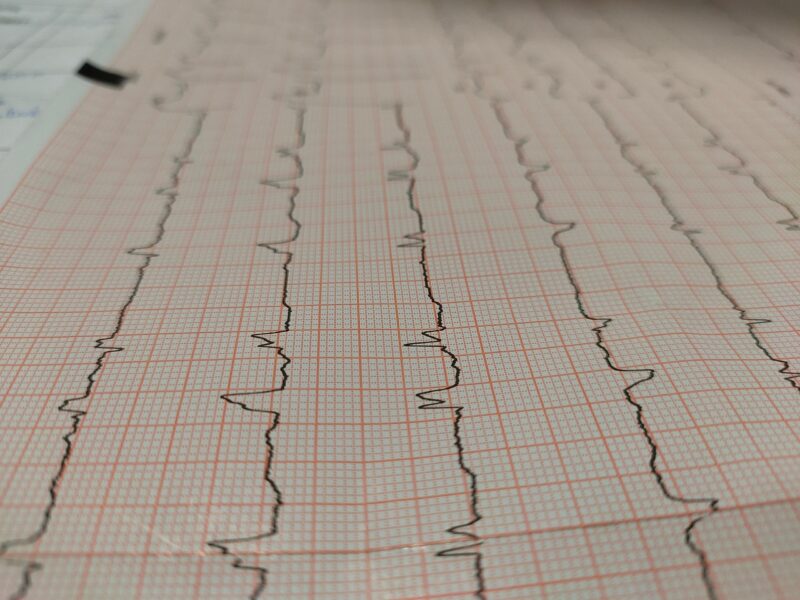
Morphological characteristics: The characteristic “twisting” appearance on ECG recordings, where QRS complexes appear to rotate around the baseline, provides the definitive diagnostic feature.
Diagnostic Challenges
Clinical experience reveals several challenges in diagnosing torsade de pointes:
Episodes may be brief and self-terminating, making capture on routine ECG difficult. Studies suggest that continuous cardiac monitoring may be necessary for high-risk patients to document these transient but dangerous arrhythmias.
Risk Stratification Tools
| Assessment Tool | Clinical Application | Reliability |
|---|---|---|
| QTc calculation | Baseline risk assessment | High |
| Tisdale Risk Score | Drug-induced risk prediction | Moderate-High |
| Clinical risk factors | Comprehensive evaluation | Variable |
Treatment and Management
Immediate Emergency Management
When torsade de pointes is suspected or confirmed, immediate medical intervention becomes critical. Emergency medicine research emphasizes several key therapeutic approaches:
Hemodynamic support: Studies indicate that unstable patients require immediate cardioversion, while stable patients may respond to other interventions.
Magnesium administration: Clinical trials consistently demonstrate that intravenous magnesium represents first-line therapy, even in patients with normal serum magnesium levels.
Electrolyte correction: Research supports rapid correction of hypokalemia and other electrolyte abnormalities as fundamental therapeutic measures.
Long-term Management Strategies
Medication review and modification: Clinical guidelines emphasize the importance of identifying and discontinuing offending medications whenever possible. Studies suggest that risk-benefit analyses should guide decisions about continuing potentially problematic drugs.
Cardiac pacing: In selected cases, research indicates that temporary or permanent cardiac pacing may help prevent bradycardia-dependent episodes.
Implantable devices: For patients with recurrent episodes or high-risk genetic conditions, studies support consideration of implantable cardioverter-defibrillators.
Preventive Measures
Prevention strategies focus on risk factor modification and careful medication management. Clinical research supports several approaches:
Regular monitoring of QT intervals in high-risk patients, maintenance of normal electrolyte levels, and careful medication selection and dosing based on individual patient factors.
Prevention Strategies
Clinical Monitoring
Healthcare providers increasingly recognize the importance of systematic approaches to prevention. Studies suggest that regular ECG monitoring and electrolyte assessment can help identify at-risk patients before life-threatening episodes occur.
Baseline assessment: Research indicates that obtaining baseline ECGs and electrolyte panels helps establish individual risk profiles.
Ongoing surveillance: Clinical data supports periodic reassessment, particularly when introducing new medications or during illness.
Patient Education
Educational research demonstrates that informed patients can play crucial roles in prevention by recognizing symptoms and adhering to monitoring recommendations.
Prognosis and Outcomes
Short-term Prognosis
Clinical studies indicate that the immediate prognosis for torsade de pointes depends largely on prompt recognition and appropriate treatment. Research shows that episodes can spontaneously terminate but may also progress to ventricular fibrillation or cardiac arrest.
Long-term Outlook
Long-term outcomes research suggests that patients who survive initial episodes generally have good prognoses when underlying causes are identified and addressed. Studies indicate that removing triggering factors and implementing preventive measures significantly reduce recurrence risk.
When to Seek Medical Attention
Patients should seek immediate emergency medical care if they experience:
- Sudden onset of rapid, irregular heartbeat
- Syncope or near-syncope episodes
- Severe dizziness or lightheadedness
- Chest pain with palpitations
- Any symptoms suggesting cardiovascular compromise
Frequently Asked Questions (FAQ)
Q: Can torsade de pointes occur without warning symptoms? A: Yes, studies indicate that torsade de pointes can occur suddenly without preceding symptoms, particularly in high-risk patients. This emphasizes the importance of preventive monitoring in susceptible individuals.
Q: How quickly can torsade de pointes become life-threatening? A: Research shows that this arrhythmia can rapidly progress to ventricular fibrillation or cardiac arrest within seconds to minutes, making immediate medical intervention crucial.
Q: Are there specific medications that patients should avoid? A: Clinical guidelines recommend that patients discuss all medications with healthcare providers, as numerous drugs can potentially trigger episodes. The decision to use specific medications should always consider individual risk factors and potential benefits.
Q: Can lifestyle changes help prevent torsade de pointes? A: Studies suggest that maintaining proper nutrition, avoiding excessive alcohol consumption, and following prescribed medication regimens can help reduce risk, though medical management remains the primary preventive approach.
Q: Is torsade de pointes hereditary? A: Research indicates that some forms of long QT syndrome that predispose to torsade de pointes can be inherited. Genetic counseling may be recommended for patients with family histories of sudden cardiac death or known genetic conditions.
Medical Disclaimer: This article provides educational information about torsade de pointes and should not replace professional medical advice. The content is intended for informational purposes only and does not constitute medical diagnosis or treatment recommendations. Always consult with qualified healthcare providers for proper evaluation, diagnosis, and treatment of any cardiac symptoms or conditions. Individual cases may vary significantly, and treatment decisions should always be made by qualified medical professionals based on comprehensive clinical assessment.
External Resources