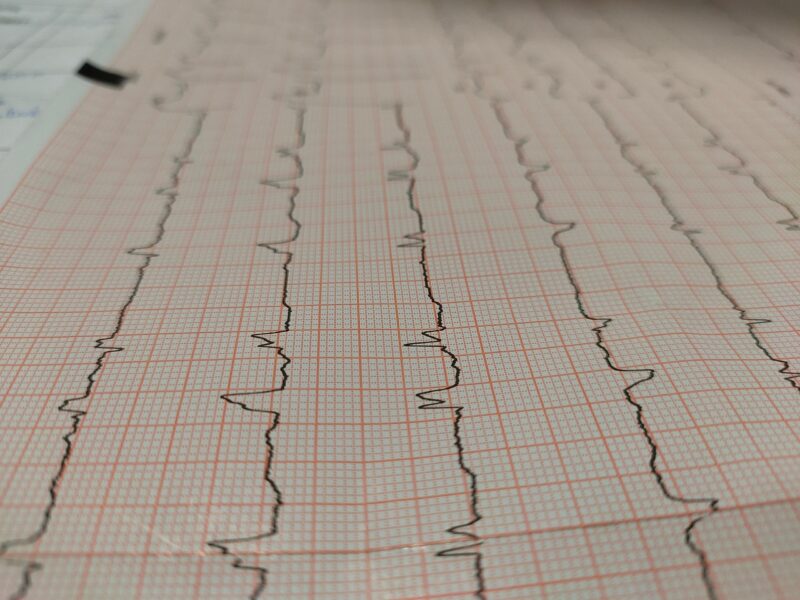
Author: MSc Marcin Goras – Master of Public Health, Specialization in Emergency Medical Services
Published: 20.09.2025
Reading Time: 12-15 minutes
Introduction
Tachy-brady syndrome, also known as sick sinus syndrome (SSS), represents a complex cardiac rhythm disorder characterized by alternating episodes of abnormally fast (tachycardia) and slow (bradycardia) heart rates. Electrophysiological research indicates that this condition affects the sinoatrial (SA) node, the heart’s natural pacemaker, leading to unpredictable rhythm variations that can significantly impact patient quality of life and cardiovascular health.
Epidemiological studies suggest that tachy-brady syndrome primarily affects older adults, with prevalence increasing significantly after age 65. Research indicates that approximately 1 in 600 patients over 65 years develops some form of sick sinus syndrome, making it one of the most common indications for permanent pacemaker implantation worldwide. The condition’s complex nature, involving both fast and slow rhythm abnormalities, presents unique diagnostic and therapeutic challenges for healthcare providers.
Clinical research emphasizes that tachy-brady syndrome often develops gradually over years, with patients experiencing progressively worsening symptoms that may initially be attributed to normal aging or other conditions. Understanding this syndrome’s pathophysiology, recognition patterns, and treatment options becomes crucial for early intervention and optimal patient outcomes. Recent advances in cardiac device therapy and antiarrhythmic management have significantly improved the prognosis for patients with this challenging condition.
Understanding Tachy-Brady Syndrome
Definition and Pathophysiology
Tachy-brady syndrome is a manifestation of sick sinus syndrome characterized by the alternating occurrence of bradyarrhythmias and tachyarrhythmias. Electrophysiological studies demonstrate that the condition results from dysfunction of the sinoatrial node and associated atrial tissue, leading to inappropriate heart rate responses and rhythm instabilities.
The pathophysiology involves several key mechanisms that research has identified:
SA Node Dysfunction: Studies show that structural changes in the SA node, including fibrosis, fatty infiltration, and cellular degeneration, compromise the node’s ability to generate consistent electrical impulses. This dysfunction leads to inappropriate sinus bradycardia, sinus pauses, or chronotropic incompetence.
Atrial Remodeling: Research indicates that chronic SA node dysfunction often leads to atrial electrical and structural remodeling, creating substrate for atrial tachyarrhythmias, particularly atrial fibrillation and atrial flutter.
Autonomic Dysfunction: Clinical studies suggest that abnormal autonomic nervous system responses contribute to the syndrome’s complexity, with inappropriate parasympathetic and sympathetic responses exacerbating rhythm instabilities.
Clinical Spectrum and Classifications
| Manifestation Type | Heart Rate Pattern | Clinical Features | Treatment Complexity |
|---|---|---|---|
| Bradycardia-Tachycardia | <50 alternating with >100 bpm | Classic pattern | High |
| Sinus Node Dysfunction | Variable bradycardia | Fatigue, weakness | Moderate |
| Atrial Fibrillation with Pauses | AF with long pauses | Syncope risk | Very High |
| Chronotropic Incompetence | Inadequate rate response | Exercise intolerance | Moderate |
Classic Tachy-Brady Pattern: Electrophysiological research describes the characteristic pattern where episodes of sinus bradycardia, sinus arrest, or sinoatrial block alternate with periods of supraventricular tachycardia, most commonly atrial fibrillation.
Sinus Node Recovery Time: Studies demonstrate that patients often experience prolonged sinus pauses following termination of tachyarrhythmias, a phenomenon known as “overdrive suppression” that can cause syncope or near-syncope.
Chronotropic Incompetence: Research indicates that many patients develop inability to appropriately increase heart rate with exercise or stress, significantly limiting functional capacity even when resting heart rate appears normal.
Electrophysiological Mechanisms
SA Node Automaticity: Cellular electrophysiology studies show that sick sinus syndrome involves dysfunction of the SA node’s pacemaker cells, leading to decreased automaticity and abnormal impulse generation.
Conduction Abnormalities: Research demonstrates that sinoatrial conduction defects contribute to the syndrome, with normal SA node impulses failing to exit the node or conduct to atrial tissue appropriately.
Atrial Arrhythmia Substrate: Studies indicate that chronic sinus node dysfunction creates electrical heterogeneity in atrial tissue, providing substrate for reentrant tachyarrhythmias that characterize the “tachy” component of the syndrome.
Causes and Risk Factors
Age-Related Degeneration
Primary Aging Process: Geriatric cardiology research demonstrates that normal aging involves progressive degeneration of the cardiac conduction system. Studies show that collagen deposition, fatty infiltration, and cellular apoptosis naturally occur in the SA node with advancing age, predisposing to sick sinus syndrome development.
Cellular Senescence: Molecular studies indicate that age-related changes in ion channel expression and function contribute to SA node dysfunction. Research shows decreased expression of hyperpolarization-activated cyclic nucleotide-gated (HCN) channels, which are crucial for pacemaker function.
Cardiovascular Disease
Coronary Artery Disease: Clinical studies consistently identify ischemic heart disease as a major risk factor for tachy-brady syndrome. Research indicates that the SA node receives blood supply from the right coronary artery in 60% of patients and the left circumflex artery in 40%, making it vulnerable to ischemic damage.
Hypertensive Heart Disease: Longitudinal studies demonstrate that chronic hypertension contributes to atrial fibrosis and remodeling, increasing the risk of both sinus node dysfunction and atrial arrhythmias.
Cardiomyopathy: Research shows that various forms of cardiomyopathy, including ischemic and non-ischemic dilated cardiomyopathy, frequently involve the atria and conduction system, predisposing to tachy-brady syndrome.
Infiltrative and Inflammatory Diseases
Cardiac Amyloidosis: Pathological studies indicate that amyloid protein deposition commonly affects the SA node and atrial tissue, leading to progressive conduction system dysfunction and arrhythmias.
Cardiac Sarcoidosis: Research demonstrates that granulomatous inflammation in sarcoidosis frequently involves cardiac conduction tissue, with the SA node being a common site of involvement.
Hemochromatosis: Studies show that iron deposition in hereditary hemochromatosis can affect cardiac conduction tissue, contributing to various arrhythmias including sick sinus syndrome.
Myocarditis: Clinical research indicates that viral or inflammatory myocarditis can involve the SA node region, potentially leading to acute or chronic sinus node dysfunction.
Medication-Induced Causes
Pharmacological research has identified numerous medications that can contribute to or unmask tachy-brady syndrome:
Antiarrhythmic Drugs: Studies demonstrate that Class I and Class III antiarrhythmic medications can suppress SA node function while treating atrial arrhythmias, potentially exacerbating the bradycardic component of the syndrome.
Beta-Blockers: Research indicates that beta-adrenergic blocking agents can significantly slow SA node discharge rate and may unmask underlying sinus node dysfunction in susceptible patients.
Calcium Channel Blockers: Clinical studies show that non-dihydropyridine calcium channel blockers (verapamil, diltiazem) can affect SA node function and contribute to bradycardia in patients with borderline sinus node function.
Digitalis: Toxicological research demonstrates that digitalis compounds can cause sinus bradycardia and enhance susceptibility to atrial arrhythmias through various mechanisms.
Genetic and Congenital Factors
Inherited Channelopathies: Genetic studies have identified several inherited conditions that can predispose to sick sinus syndrome:
- SCN5A mutations: Research shows that sodium channel gene mutations can affect both SA node function and atrial conduction
- HCN4 mutations: Studies indicate that mutations in pacemaker channel genes can cause familial sick sinus syndrome
- KCNQ1 mutations: Genetic research demonstrates that certain potassium channel mutations can predispose to sinus node dysfunction
Congenital Heart Disease: Pediatric cardiology studies show that certain congenital heart defects, particularly those involving atrial surgery or anatomical abnormalities near the SA node, can predispose to later development of sick sinus syndrome.
Surgical and Procedural Causes
Cardiac Surgery: Surgical studies indicate that procedures involving the atria, particularly those requiring incisions near the SA node, can damage conduction tissue and lead to postoperative sick sinus syndrome.
Catheter Ablation: Electrophysiology research shows that ablation procedures for atrial arrhythmias can inadvertently damage SA node function, particularly when ablation sites are near the node.
Radiation Therapy: Oncological studies demonstrate that mediastinal radiation can cause delayed cardiac conduction system damage, including sick sinus syndrome, years after treatment.
Clinical Presentation and Symptoms
Bradycardic Manifestations
Patients with tachy-brady syndrome often experience symptoms related to slow heart rates, which can be particularly pronounced during sinus pauses following tachyarrhythmia termination:
Fatigue and Exercise Intolerance: Clinical studies consistently report that patients experience profound fatigue, often described as “feeling drained” or having “no energy.” Research indicates this results from both inadequate heart rate response to activity and the metabolic consequences of alternating rhythm abnormalities.
Dizziness and Presyncope: Neurological studies show that inadequate cerebral perfusion during bradycardic episodes causes dizziness, lightheadedness, and near-fainting spells. Patients often describe feeling “woozy” or having “head rushes.”
Syncope: Research indicates that sudden sinus pauses, particularly those following atrial fibrillation termination, can cause complete loss of consciousness. Studies show that syncope occurs in 40-60% of patients with tachy-brady syndrome.
Cognitive Symptoms: Neuropsychological research suggests that chronic alternating heart rhythms may contribute to cognitive difficulties, including problems with concentration, memory, and mental clarity.
Tachycardic Manifestations
The rapid heart rate episodes in tachy-brady syndrome typically involve supraventricular arrhythmias:
Palpitations: Clinical studies indicate that patients frequently experience awareness of rapid, irregular heartbeats during tachycardic episodes. Research shows that atrial fibrillation is the most common tachyarrhythmia in this syndrome.
Chest Discomfort: Cardiovascular studies suggest that rapid heart rates can cause chest pressure, tightness, or pain, particularly in patients with underlying coronary disease.
Shortness of Breath: Pulmonary research indicates that tachyarrhythmias can compromise cardiac output and lead to dyspnea, especially in patients with reduced left ventricular function.
Anxiety and Restlessness: Psychological studies show that patients often experience anxiety during tachycardic episodes, which may be both a cause and consequence of the arrhythmia.
Pattern Recognition and Timing
Episodic Nature: Clinical observation studies emphasize that symptoms in tachy-brady syndrome are typically episodic rather than constant, with patients experiencing periods of relative wellness between symptomatic episodes.
Transition Symptoms: Research indicates that patients may experience particularly severe symptoms during transitions between tachycardia and bradycardia, especially when long pauses occur after arrhythmia termination.
Circadian Patterns: Chronobiology studies suggest that symptoms may follow circadian rhythms, with bradycardic symptoms often more prominent at night or upon awakening, while tachycardic episodes may be more frequent during daytime hours.
Functional Limitations
Activity Restriction: Exercise physiology research demonstrates that many patients with tachy-brady syndrome significantly limit their activities due to unpredictable symptoms and fear of syncope.
Sleep Disturbances: Sleep studies indicate that rhythm abnormalities can disrupt normal sleep patterns, with patients experiencing awakening due to palpitations or nocturnal dyspnea.
Social and Occupational Impact: Quality of life research shows that the unpredictable nature of symptoms often leads to social isolation and occupational limitations, significantly affecting patient well-being.
Diagnosis and Assessment
Clinical History and Symptom Evaluation
Detailed Symptom Characterization: Diagnostic studies emphasize the importance of thorough symptom assessment:
- Temporal patterns: Research indicates that documenting the timing, duration, and frequency of episodes helps distinguish tachy-brady syndrome from other conditions
- Triggering factors: Studies show that identifying potential triggers (medications, stress, exercise) provides important diagnostic clues
- Associated symptoms: Clinical research demonstrates that comprehensive symptom review helps assess the hemodynamic significance of rhythm abnormalities
Medication History: Pharmacological assessment studies stress the importance of detailed medication review, including:
- All prescription medications, particularly cardiovascular drugs
- Over-the-counter medications and supplements
- Recent medication changes or dose adjustments
- Previous antiarrhythmic drug trials and responses
Electrocardiographic Assessment
12-Lead ECG: Standard electrocardiography provides baseline rhythm assessment, though studies indicate that a single ECG may miss the characteristic alternating pattern of tachy-brady syndrome.
Key ECG Findings to Evaluate:
- Sinus rhythm characteristics and rate
- P wave morphology and conduction intervals
- Evidence of atrial enlargement or fibrosis
- Underlying conduction abnormalities
Ambulatory Monitoring: Extended monitoring studies demonstrate superior diagnostic yield for detecting intermittent rhythm abnormalities:
| Monitoring Type | Duration | Diagnostic Yield | Best Application |
|---|---|---|---|
| 24-hour Holter | 1 day | 25-30% | Daily symptoms |
| 48-hour Holter | 2 days | 35-40% | Every other day symptoms |
| Event Monitor | 2-4 weeks | 60-70% | Weekly symptoms |
| Loop Recorder | 1-3 years | 85-90% | Infrequent symptoms |
Extended Holter Monitoring: Research indicates that 24-48 hour continuous monitoring can capture the characteristic pattern of alternating bradycardia and tachycardia in many patients.
Event Monitors: Studies show that patient-activated and auto-triggered event monitors provide high diagnostic yield for symptomatic episodes, particularly when symptoms occur less frequently.
Implantable Loop Recorders: Long-term monitoring research demonstrates that implantable devices offer the highest diagnostic yield for infrequent but concerning symptoms, with the ability to capture pre-symptomatic rhythm changes.
Specialized Cardiac Testing
Exercise Stress Testing: Cardiopulmonary research shows that exercise testing can reveal chronotropic incompetence, an important component of sick sinus syndrome. Key parameters include:
- Heart rate response to exercise
- Achievement of age-predicted maximum heart rate
- Symptom correlation with activity level
- Recovery heart rate patterns
Electrophysiology Study (EPS): Invasive testing studies indicate that EPS can provide detailed assessment of sinus node function:
Sinus Node Recovery Time (SNRT): Research demonstrates that prolonged SNRT (>1500 ms) indicates significant sinus node dysfunction.
Sinoatrial Conduction Time: Studies show that measurements of SA conduction can identify conduction abnormalities even when automaticity appears normal.
Atrial Stimulation Studies: Electrophysiological research indicates that programmed atrial stimulation can assess susceptibility to atrial arrhythmias and guide treatment planning.
Laboratory and Additional Testing
Thyroid Function Assessment: Endocrinological studies consistently demonstrate the importance of thyroid function evaluation, as both hyperthyroidism and hypothyroidism can mimic or exacerbate tachy-brady syndrome.
Electrolyte Panel: Laboratory research emphasizes checking electrolytes, particularly:
- Potassium levels (hypokalemia can predispose to arrhythmias)
- Magnesium levels (deficiency increases arrhythmia risk)
- Calcium levels (abnormalities affect cardiac conduction)
Cardiac Imaging: Echocardiographic studies help assess:
- Left atrial size and function
- Left ventricular function
- Valvular disease
- Evidence of infiltrative disease
Advanced Imaging: In selected cases, cardiac MRI or CT may help identify:
- Structural heart disease
- Infiltrative conditions (amyloidosis, sarcoidosis)
- Coronary anatomy when ischemia is suspected
Differential Diagnosis
Other Rhythm Disorders: Clinical studies emphasize distinguishing tachy-brady syndrome from:
- Isolated atrial fibrillation with rate control
- Multifocal atrial tachycardia
- Sinus node dysfunction without tachyarrhythmias
- Medication-induced rhythm abnormalities
Non-cardiac Causes: Research indicates that various conditions can mimic tachy-brady syndrome:
- Thyroid disorders
- Sleep disorders
- Anxiety and panic disorders
- Medication effects or interactions
Treatment and Management
Comprehensive Treatment Strategy
The management of tachy-brady syndrome requires a multifaceted approach addressing both tachycardic and bradycardic components. Clinical research emphasizes that treatment complexity arises from the need to control fast rhythms while avoiding exacerbation of slow rhythms, and vice versa.
Acute Episode Management
Emergency Stabilization: Emergency medicine studies provide protocols for managing acute presentations:
Symptomatic Bradycardia:
- Atropine 0.5-1.0 mg IV (though research shows limited effectiveness in sick sinus syndrome)
- Transcutaneous pacing for hemodynamically significant bradycardia
- Chronotropic medications (dopamine, epinephrine) in severe cases
Symptomatic Tachycardia:
- Rate control with careful monitoring for post-conversion pauses
- Cardioversion if hemodynamically unstable
- Antiarrhythmic medications with extreme caution due to risk of enhancing bradycardia
Pharmacological Management Challenges
The Treatment Dilemma: Clinical research highlights the fundamental challenge in tachy-brady syndrome: medications that control tachyarrhythmias often worsen bradycardia, while treatments for bradycardia may exacerbate tachyarrhythmias.
| Medication Class | Tachycardia Effect | Bradycardia Effect | Clinical Use |
|---|---|---|---|
| Beta-blockers | Beneficial | Worsening | Limited without pacing |
| Calcium channel blockers | Beneficial | Worsening | Avoid or use with pacing |
| Antiarrhythmics | Beneficial | Worsening | Require pacemaker backup |
| Digitalis | Variable | Worsening | Generally avoided |
Rate Control Strategies: Pharmacological studies indicate that effective rate control of tachyarrhythmias in tachy-brady syndrome typically requires permanent pacemaker implantation first, followed by cautious introduction of rate-controlling medications.
Pacemaker Therapy – The Cornerstone Treatment
Indications for Pacing: Electrophysiology research has established clear criteria for pacemaker implantation in tachy-brady syndrome:
Class I Indications (Strongly Recommended):
- Documented symptomatic bradycardia or sinus pauses >3 seconds while awake
- Need for rate-controlling medications that cause symptomatic bradycardia
- Chronotropic incompetence with symptoms
- Alternating bradycardia and tachycardia with symptoms
Device Selection Considerations: Technology studies emphasize several factors in choosing appropriate pacing systems:
Dual-Chamber Pacing (DDD/DDDR): Research indicates this is preferred for most patients because:
- Maintains atrioventricular synchrony
- Provides rate response capability
- Allows for atrial pacing to potentially reduce atrial arrhythmia burden
- Enables mode switching during atrial arrhythmias
Single-Chamber Pacing (VVI/VVIR): Studies suggest limited use, primarily for:
- Permanent atrial fibrillation with slow ventricular response
- Patients with limited life expectancy
- Significant contraindications to transvenous atrial lead placement
Advanced Pacing Features
Mode Switching: Device studies demonstrate that automatic mode switching allows the pacemaker to change from dual-chamber to single-chamber pacing during atrial arrhythmias, preventing inappropriate tracking of fast atrial rates.
Rate-Responsive Pacing: Research shows that sensor-driven rate response helps address chronotropic incompetence by increasing pacing rate with activity.
Atrial Overdrive Pacing: Studies investigate whether continuous atrial pacing at rates slightly above intrinsic sinus rate can reduce atrial arrhythmia burden, though results remain mixed.
Antiarrhythmic Therapy Post-Pacing
Once adequate pacing backup is established, research supports cautious use of antiarrhythmic medications:
Beta-Blockers: Clinical studies show improved outcomes when beta-blockers can be safely used after pacemaker implantation, providing both rate control and potential mortality benefits.
Class III Antiarrhythmics: Research indicates that amiodarone or sotalol may be effective for recurrent atrial arrhythmias in paced patients, though careful monitoring for proarrhythmia is essential.
Calcium Channel Blockers: Studies suggest that non-dihydropyridine calcium channel blockers can be safely used for rate control after pacemaker implantation.
Catheter Ablation Strategies
AV Node Ablation: Electrophysiology research indicates that AV node ablation with permanent pacemaker implantation may be considered for:
- Medically refractory atrial fibrillation with rapid ventricular response
- Severe symptoms despite optimal medical therapy
- Inability to achieve adequate rate control
Atrial Fibrillation Ablation: Studies show that pulmonary vein isolation may be beneficial in selected patients with tachy-brady syndrome and paroxysmal atrial fibrillation, though success rates may be lower than in patients without sinus node dysfunction.
Hybrid Approaches: Research explores combining catheter ablation with device therapy for optimal rhythm management in complex cases.
Anticoagulation Management
Stroke Risk Assessment: Thromboembolism research emphasizes that patients with tachy-brady syndrome often have elevated stroke risk due to:
- Atrial fibrillation episodes
- Advanced age
- Associated cardiovascular comorbidities
- Potential for atrial stasis during bradycardic episodes
CHA2DS2-VASc Score Application: Clinical studies support using standard stroke risk stratification tools, with most patients qualifying for anticoagulation therapy.
Anticoagulation Challenges: Research indicates special considerations in tachy-brady syndrome:
- Risk of syncope and falls due to rhythm abnormalities
- Potential for traumatic injuries during syncopal episodes
- Need for careful risk-benefit analysis
- Consideration of left atrial appendage closure in high bleeding risk patients
Complications and Prognosis
Acute Complications
Syncope and Traumatic Injury: Emergency medicine studies consistently identify syncope as a major complication of tachy-brady syndrome, with research showing:
- 40-60% of patients experience syncope before diagnosis
- Significant risk of traumatic injury during syncopal episodes
- Potential for motor vehicle accidents if syncope occurs while driving
- Fall-related injuries, particularly in elderly patients
Thromboembolism: Stroke research demonstrates elevated risk due to:
- Atrial fibrillation episodes promoting clot formation
- Reduced atrial contractility during bradycardic phases
- Stasis of blood flow during rhythm transitions
- Advanced age and comorbidities in affected population
Hemodynamic Compromise: Cardiovascular studies indicate that severe rhythm abnormalities can lead to:
- Acute heart failure exacerbation
- Hypotension and end-organ hypoperfusion
- Cardiogenic shock in extreme cases
- Precipitation of myocardial ischemia
Long-term Complications
Cognitive Impairment: Neurological research suggests that chronic rhythm abnormalities may contribute to:
- Reduced cerebral blood flow and oxygenation
- Increased risk of silent cerebral infarctions
- Progressive cognitive decline
- Potential increased dementia risk
Heart Failure Development: Cardiac studies indicate that untreated tachy-brady syndrome can lead to:
- Tachycardia-induced cardiomyopathy from persistent fast rhythms
- Reduced cardiac output from bradycardia and chronotropic incompetence
- Progressive atrial and ventricular remodeling
- Functional capacity deterioration
Quality of Life Impact: Psychosocial research demonstrates significant effects on:
- Physical functioning and exercise capacity
- Social activities and relationships
- Occupational performance and productivity
- Mental health and emotional well-being
Pacemaker-Related Complications
Device-Related Issues: Technology studies identify potential complications:
| Complication Type | Incidence Rate | Time Frame | Management |
|---|---|---|---|
| Lead dislodgement | 1-3% | Acute (days) | Repositioning |
| Pocket hematoma | 2-5% | Acute (days) | Conservative/drainage |
| Infection | <1% | Variable | Antibiotics/extraction |
| Lead fracture | 0.5-1%/year | Chronic (years) | Lead replacement |
Pacemaker Syndrome: Research indicates that inappropriate pacing modes can cause:
- AV dissociation symptoms
- Reduced cardiac output
- Neck pulsations and discomfort
- Need for pacing mode revision
Prognosis and Outcomes
Natural History: Long-term follow-up studies demonstrate that untreated tachy-brady syndrome typically shows:
- Progressive worsening of symptoms over time
- Increasing frequency and severity of rhythm abnormalities
- Development of persistent atrial fibrillation in many patients
- Significant impact on survival and quality of life
Treatment Outcomes: Clinical research shows marked improvement after appropriate treatment:
Pacemaker Therapy Results:
- 80-90% symptom improvement in appropriately selected patients
- Significant reduction in syncope episodes
- Improved functional capacity and quality of life
- Near-normal life expectancy when underlying heart disease is managed
Factors Affecting Prognosis:
- Age and overall health status
- Presence of structural heart disease
- Response to antiarrhythmic therapy
- Adherence to anticoagulation when indicated
- Lifestyle factors and comorbidity management
Long-term Monitoring and Follow-up
Device Follow-up: Technology studies recommend regular monitoring schedules:
- In-person visits every 6-12 months
- Remote monitoring capabilities for early problem detection
- Battery status monitoring and replacement planning
- Programming optimization based on patient needs
Rhythm Management: Electrophysiology research supports ongoing assessment of:
- Atrial arrhythmia burden and anticoagulation needs
- Antiarrhythmic medication effectiveness and side effects
- Exercise capacity and chronotropic competence
- Symptom progression and functional status
Special Populations and Considerations
Elderly Patients
Age-Related Challenges: Geriatric cardiology research identifies specific considerations in elderly patients with tachy-brady syndrome:
Comorbidity Management: Studies show that elderly patients often have multiple conditions affecting treatment decisions:
- Cognitive impairment affecting symptom reporting and medication compliance
- Increased bleeding risk with anticoagulation
- Higher surgical and procedural risks
- Multiple medication interactions and side effects
Treatment Modifications: Research suggests adapted approaches:
- More conservative pacemaker programming
- Careful anticoagulation risk-benefit analysis
- Simplified medication regimens when possible
- Enhanced family involvement in care decisions
Functional Goals: Studies emphasize that treatment goals may differ:
- Focus on symptom relief and quality of life
- Maintenance of independence and functional capacity
- Fall prevention and safety considerations
- Realistic expectations for activity levels
Women and Hormonal Considerations
Gender Differences: Clinical research indicates some differences in tachy-brady syndrome presentation and management in women:
Hormonal Influences: Studies suggest that hormonal changes may affect:
- Symptom severity and pattern
- Response to certain medications
- Arrhythmia triggers and frequency
- Pacemaker programming needs
Pregnancy Considerations: Obstetric research addresses management during pregnancy:
- Safety of pacemaker therapy during pregnancy and delivery
- Medication adjustments for fetal safety
- Hemodynamic changes of pregnancy affecting symptoms
- Delivery planning and monitoring needs
Athletes and Active Individuals
Exercise Considerations: Sports medicine research addresses unique challenges:
Activity Restrictions: Studies provide guidance on:
- Safe exercise levels after pacemaker implantation
- Contact sports considerations with implanted devices
- Electromagnetic interference in athletic environments
- Competitive sports participation guidelines
Device Programming: Research suggests sport-specific considerations:
- Rate-responsive settings for athletic activities
- Upper rate limit programming for exercise
- Mode switch settings for high-intensity activities
- Remote monitoring during training and competition
Pediatric and Young Adult Patients
Congenital and Acquired Causes: Pediatric cardiology research identifies special considerations:
Congenital Forms: Studies indicate that tachy-brady syndrome in young patients may result from:
- Congenital heart disease and surgical interventions
- Inherited arrhythmia syndromes
- Cardiomyopathies affecting the conduction system
- Post-operative complications from cardiac surgery
Long-term Management: Research emphasizes unique challenges:
- Growth considerations with permanent pacing systems
- Psychological adaptation to chronic device dependence
- Activity restrictions and social implications
- Transition to adult care and long-term planning
Emerging Therapies and Future Directions
Advanced Device Technologies
Leadless Pacing Systems: Engineering research continues to develop leadless technologies:
Current Limitations: Studies identify challenges with leadless systems in tachy-brady syndrome:
- Single-chamber pacing only (currently)
- Limited programming options
- Inability to provide atrial pacing benefits
- Less optimal for patients requiring dual-chamber pacing
Future Developments: Research explores:
- Leadless dual-chamber systems
- Improved battery life and programming capabilities
- Wireless communication between devices
- Integration with other cardiac implantable devices
Biological and Regenerative Therapies
Gene Therapy: Experimental research investigates genetic approaches:
- Viral vector delivery of normal pacemaker genes
- Gene editing technologies for inherited channelopathies
- Restoration of normal SA node function
- Prevention of age-related conduction system degeneration
Stem Cell Therapy: Regenerative medicine studies explore:
- Cardiac stem cell transplantation to SA node region
- Tissue engineering approaches for conduction system repair
- Combination therapies with traditional pacing
- Prevention of progressive conduction system disease
Biological Pacemakers: Research investigates:
- Cell-based pacemaker creation using gene therapy
- Hybrid biological-electronic systems
- Tissue engineering of functional SA node tissue
- Long-term alternatives to electronic devices
Artificial Intelligence and Predictive Medicine
Machine Learning Applications: Computer science research applies AI to tachy-brady syndrome:
Predictive Analytics: Studies develop algorithms for:
- Early detection of syndrome development
- Prediction of optimal pacing parameters
- Anticipation of medication needs and side effects
- Risk stratification for complications
Personalized Medicine: Research explores:
- Individual patient response prediction
- Customized treatment algorithms
- Precision medication dosing
- Optimized device programming based on patient patterns
Advanced Monitoring Technologies
Wearable Devices: Consumer technology research investigates:
- Continuous rhythm monitoring capabilities
- Early warning systems for rhythm changes
- Integration with implanted device data
- Patient engagement and education tools
Remote Monitoring Enhancement: Telemedicine studies explore:
- Real-time rhythm analysis and alert systems
- Artificial intelligence-assisted rhythm interpretation
- Predictive analytics for device optimization
- Improved patient-provider communication
Novel Pharmacological Approaches
Targeted Therapies: Pharmaceutical research develops:
- Selective ion channel modulators
- Drugs targeting specific arrhythmia mechanisms
- Personalized antiarrhythmic therapy based on genetics
- Combination therapies with reduced side effect profiles
Chronotropic Agents: Studies investigate:
- Novel positive chronotropic drugs
- Selective SA node stimulants
- Drugs that improve chronotropic competence
- Alternatives to traditional rate-controlling medications
Healthcare System and Economic Considerations
Cost-Effectiveness Analysis
Economic Burden: Health economics research quantifies the costs associated with tachy-brady syndrome:
Direct Medical Costs:
- Emergency department visits and hospitalizations
- Diagnostic testing and monitoring
- Pacemaker implantation and follow-up care
- Medication costs and management
- Complication treatment and management
Indirect Costs: Studies identify broader economic impacts:
- Lost productivity and disability
- Caregiver burden and support needs
- Transportation and accessibility costs
- Long-term care and assistance needs
Cost-Effectiveness of Interventions: Research compares treatment strategies:
- Pacemaker therapy versus medical management alone
- Different device types and programming strategies
- Quality-adjusted life years (QALY) analysis for treatment decisions
Healthcare Delivery Models
Integrated Care Approaches: Health services research evaluates coordinated care models:
Multidisciplinary Teams: Studies demonstrate benefits of coordinated care involving:
- Cardiologists and electrophysiologists
- Primary care physicians
- Specialized nursing coordinators
- Pharmacists for medication management
- Device technicians for programming optimization
Care Coordination: Research emphasizes improved outcomes through:
- Standardized protocols for diagnosis and treatment
- Enhanced communication between specialists
- Centralized monitoring and follow-up systems
- Patient navigation services for complex cases
Telemedicine Integration: Digital health studies explore:
- Remote consultation capabilities
- Virtual device clinics and monitoring
- Patient education and support platforms
- Reduced travel burden for routine follow-up
Quality Metrics and Outcomes
Performance Indicators: Healthcare quality research identifies key metrics:
Quality Measure Target Range Clinical Significance Time to diagnosis <30 days from symptoms Early intervention opportunity Appropriate pacemaker use >90% meeting guidelines Optimal resource utilization Complication rates <5% major complications Safety and quality assurance Patient satisfaction >85% satisfaction score Quality of care assessment Registry Data and Benchmarking: Population studies provide insights through:
- National device registries tracking outcomes
- Comparative effectiveness research
- Best practice identification and dissemination
- Quality improvement initiatives
Access and Disparities
Healthcare Access Issues: Social determinants research identifies barriers:
Geographic Disparities: Studies show variations in:
- Availability of specialized electrophysiology services
- Access to advanced device technologies
- Rural versus urban care quality differences
- Transportation barriers for ongoing care
Socioeconomic Factors: Research demonstrates impact of:
- Insurance coverage and reimbursement limitations
- Financial barriers to optimal treatment
- Health literacy affecting treatment compliance
- Cultural factors influencing care decisions
Equity Initiatives: Public health research supports:
- Targeted outreach programs for underserved populations
- Telehealth expansion to improve access
- Financial assistance programs for device therapy
- Cultural competency training for healthcare providers
Patient Education and Support
Comprehensive Patient Education
Understanding the Condition: Educational research emphasizes teaching patients about:
Syndrome Basics: Studies show improved outcomes when patients understand:
- The nature of alternating fast and slow heart rhythms
- Why symptoms occur and their relationship to heart rate changes
- The progressive nature of the condition
- The importance of ongoing monitoring and treatment
Treatment Rationale: Research indicates better compliance when patients comprehend:
- Why pacemaker therapy is often necessary
- How devices work to prevent dangerous slow rhythms
- The role of medications in managing fast rhythms
- The importance of anticoagulation when indicated
Lifestyle Management and Adaptation
Activity Guidelines: Exercise physiology research provides evidence-based recommendations:
Safe Exercise Practices: Studies support graduated activity programs:
- Starting with low-intensity activities and gradually increasing
- Monitoring heart rate response and symptoms
- Avoiding activities that may damage pacemaker devices
- Understanding electromagnetic interference risks
Occupational Considerations: Workplace safety research addresses:
- Job modifications that may be necessary
- Electromagnetic hazards in various occupations
- Driving restrictions and safety considerations
- Disclosure requirements and disability accommodations
Family and Caregiver Support
Family Education: Social support research demonstrates benefits of involving family members:
Recognition Training: Studies show improved outcomes when families can:
- Identify signs of rhythm problems
- Understand when to seek emergency care
- Support medication compliance and lifestyle changes
- Assist with device follow-up and monitoring
Emotional Support: Psychological research emphasizes:
- Understanding the emotional impact of chronic heart rhythm problems
- Supporting patient adaptation to device dependency
- Managing anxiety about rhythm abnormalities
- Encouraging appropriate activity levels and independence
Support Groups and Peer Networks
Peer Support Benefits: Social psychology research demonstrates value of:
- Sharing experiences with others facing similar challenges
- Learning practical management strategies from peers
- Reducing isolation and improving coping skills
- Providing emotional support and encouragement
Online Communities: Digital health studies explore:
- Virtual support groups and forums
- Educational webinars and resources
- Peer mentorship programs
- Mobile applications for patient connection
Frequently Asked Questions (FAQ)
Q: How is tachy-brady syndrome different from regular atrial fibrillation? A: Research shows that tachy-brady syndrome involves alternating fast and slow heart rhythms, often with dangerous pauses after fast rhythms terminate. Regular atrial fibrillation typically maintains a consistently irregular but often rapid rate. Tachy-brady syndrome usually requires pacemaker therapy, while isolated atrial fibrillation may be managed with medications alone.
Q: Will I need a pacemaker for the rest of my life? A: Studies indicate that most patients with tachy-brady syndrome do require permanent pacemaker therapy, as the underlying sinus node dysfunction is typically progressive and irreversible. However, research shows that modern pacemakers are highly reliable, and many patients return to normal or near-normal activity levels after implantation.
Q: Can stress or anxiety trigger tachy-brady episodes? A: Research suggests that emotional stress can influence heart rhythm stability and may trigger episodes in susceptible individuals. However, the underlying syndrome results from structural problems with the heart’s electrical system rather than purely stress-related causes. Stress management may help reduce episode frequency but cannot cure the condition.
Q: Is it safe to exercise with tachy-brady syndrome? A: Studies show that exercise safety depends on symptom severity and treatment status. Patients with pacemakers can often return to most activities, though contact sports may require restrictions. Untreated patients should avoid strenuous exercise until proper evaluation and treatment. Always consult with cardiologists before starting exercise programs.
Q: How often will I need device check-ups? A: Research indicates that pacemaker patients typically need in-person visits every 6-12 months, with remote monitoring capabilities allowing for more frequent assessment. Device battery life averaging 7-12 years means eventual replacement will be needed, but modern remote monitoring can predict this well in advance.
Q: Can medications alone treat tachy-brady syndrome? A: Clinical studies consistently show that medications alone are rarely sufficient for tachy-brady syndrome management. Drugs that control fast rhythms often worsen slow rhythms, and vice versa. Research supports pacemaker implantation as the primary treatment, followed by careful medication management to control arrhythmias.
Q: Will I be able to drive after pacemaker implantation? A: Studies indicate that most patients can resume driving after a brief recovery period (typically 1-2 weeks), provided they haven’t experienced recent syncope. However, commercial driving may have different restrictions, and individual cases may vary based on symptoms and occupation. Discuss specific driving needs with your healthcare provider.
Q: Can tachy-brady syndrome be inherited? A: Research shows that while most cases are age-related, some forms can have genetic components. Family history evaluation may be recommended, particularly in younger patients or those with strong family histories of sudden cardiac death or rhythm problems. Genetic counseling may be appropriate in certain cases.
Medical Disclaimer: This article provides comprehensive educational information and should not replace professional medical advice, diagnosis, or treatment. The content is intended for informational purposes only and does not constitute medical recommendations or treatment guidelines.
Read more
Sick Sinus Syndrome – Mayo Clinic