Author: MSc Marcin Goras – Master of Public Health, Specialization in Emergency Medical Services
Published: 20.09.2025
Reading Time: 10-12 minutes
Introduction
Bradycardia represents a cardiac rhythm abnormality characterized by an abnormally slow heart rate, typically defined as fewer than 60 beats per minute in adults. Cardiovascular research indicates that while bradycardia can occur as a normal physiological variant in well-trained athletes, it may also signal serious underlying cardiac pathology requiring immediate medical attention. Understanding the distinction between benign and pathological bradycardia becomes crucial for both healthcare providers and patients.
Epidemiological studies suggest that bradycardia affects approximately 15-25% of adults over 65 years of age, with prevalence increasing with advancing age. The condition can range from completely asymptomatic to life-threatening, depending on the underlying cause, degree of heart rate reduction, and individual patient factors. Recent advances in cardiac electrophysiology have improved our understanding of bradycardia mechanisms and treatment options, leading to better patient outcomes and quality of life.
Clinical research emphasizes that bradycardia evaluation requires comprehensive assessment of symptoms, underlying conditions, and hemodynamic consequences. The management approach varies significantly based on whether the slow heart rate causes symptoms or compromises cardiac output, making individualized treatment planning essential for optimal patient care.
Understanding Bradycardia
Definition and Classifications
Bradycardia is medically defined as a heart rate below 60 beats per minute, though this threshold represents a general guideline rather than an absolute diagnostic criterion. Cardiac electrophysiology studies demonstrate that the clinical significance of bradycardia depends more on hemodynamic consequences and symptom development than on the specific heart rate number.
Physiological Bradycardia: Research shows that well-conditioned athletes often maintain resting heart rates of 40-50 beats per minute without adverse effects. This adaptation results from enhanced stroke volume and improved cardiac efficiency developed through training.
Pathological Bradycardia: Clinical studies indicate that bradycardia becomes pathological when it results from disease processes or causes symptoms such as fatigue, dizziness, or syncope. The distinction between physiological and pathological bradycardia requires careful clinical evaluation.
Types of Bradycardia
| Bradycardia Type | Heart Rate Range | Primary Mechanism | Clinical Significance |
|---|---|---|---|
| Sinus Bradycardia | 40-59 bpm | SA node dysfunction | Variable |
| Junctional Bradycardia | 40-60 bpm | AV junction escape | Moderate concern |
| Heart Block | Variable | Conduction defects | High concern |
| Atrial Fibrillation with slow response | <60 bpm | Rate control excess | Moderate concern |
Sinus Bradycardia: Electrophysiological studies demonstrate that sinus bradycardia originates from the sinoatrial (SA) node firing at a slower than normal rate. This represents the most common form of bradycardia and can be either physiological or pathological.
Junctional Bradycardia: Research indicates that junctional rhythms occur when the atrioventricular (AV) junction assumes pacemaker function, typically due to SA node dysfunction or suppression.
Heart Blocks: Clinical studies classify heart blocks into first, second, and third-degree categories based on the severity of conduction abnormalities between atria and ventricles.
Pathophysiology
The normal cardiac conduction system initiates electrical impulses in the SA node, which then propagate through specialized conduction pathways to coordinate heart muscle contraction. Bradycardia can result from dysfunction at any level of this system:
SA Node Dysfunction: Research demonstrates that the SA node can be affected by aging, ischemia, medications, or intrinsic disease, leading to decreased impulse generation or propagation.
Conduction System Disease: Studies show that damage to the AV node, bundle of His, or bundle branches can cause various degrees of heart block, resulting in bradycardia.
Autonomic Influences: Physiological research indicates that increased parasympathetic tone or decreased sympathetic activity can cause significant bradycardia, particularly during sleep or in response to medications.
Causes and Risk Factors
Intrinsic Cardiac Causes
Sick Sinus Syndrome: Clinical research defines sick sinus syndrome as a collection of rhythm abnormalities related to SA node dysfunction. Studies indicate this condition typically affects elderly patients and may present with alternating bradycardia and tachycardia episodes.
Atrioventricular Block: Electrophysiological studies classify AV blocks based on the degree of conduction impairment:
- First-degree AV block: Prolonged PR interval but all impulses conducted
- Second-degree AV block: Intermittent failure of impulse conduction
- Third-degree (complete) AV block: Complete failure of AV conduction
Infiltrative Diseases: Research shows that conditions such as amyloidosis, sarcoidosis, and hemochromatosis can infiltrate cardiac conduction tissue, leading to progressive bradycardia.
Ischemic Heart Disease: Studies demonstrate that myocardial infarction, particularly involving the right coronary artery (which supplies the SA and AV nodes), can cause acute or chronic bradycardia.
Medication-Induced Bradycardia
Pharmacological research has identified numerous medications that can cause bradycardia through various mechanisms:
Beta-Blockers: Studies show that beta-adrenergic blocking agents reduce heart rate by blocking sympathetic stimulation of the heart. While therapeutic in many conditions, they can cause excessive bradycardia in susceptible patients.
Calcium Channel Blockers: Research indicates that non-dihydropyridine calcium channel blockers (verapamil, diltiazem) can significantly slow heart rate by affecting SA and AV node function.
Antiarrhythmic Drugs: Clinical studies demonstrate that various antiarrhythmic medications can cause bradycardia as an adverse effect, particularly Class I and Class III agents.
Digitalis: Toxicological research shows that digitalis can cause severe bradycardia through enhanced parasympathetic tone and direct effects on cardiac conduction.
Metabolic and Endocrine Causes
Hypothyroidism: Endocrinological studies consistently demonstrate that thyroid hormone deficiency causes significant bradycardia through decreased metabolic rate and reduced cardiac contractility.
Electrolyte Imbalances: Laboratory research shows that specific electrolyte abnormalities can affect cardiac rhythm:
- Hyperkalemia: Elevated potassium levels can cause progressive bradycardia and eventual cardiac arrest
- Hypercalcemia: High calcium levels may affect cardiac conduction
- Hyponatremia: Severe sodium deficiency can contribute to bradycardia
Adrenal Insufficiency: Studies indicate that cortisol deficiency can lead to bradycardia through various metabolic effects.
Neurological and Autonomic Causes
Increased Intracranial Pressure: Neurological research demonstrates that elevated intracranial pressure can cause bradycardia through the Cushing reflex, a protective mechanism to maintain cerebral perfusion.
Vasovagal Response: Physiological studies show that strong vagal stimulation can cause profound bradycardia, often accompanied by hypotension and syncope.
Sleep Apnea: Respiratory research indicates that obstructive sleep apnea can cause intermittent bradycardia during apneic episodes due to hypoxia and increased vagal tone.
Athletic and Physiological Causes
Athletic Heart Syndrome: Sports medicine research shows that endurance athletes commonly develop bradycardia as an adaptive response to training. Studies indicate that resting heart rates of 35-40 bpm can be normal in elite athletes.
Age-Related Changes: Geriatric studies demonstrate that aging is associated with gradual slowing of the heart rate due to SA node fibrosis and conduction system degeneration.
Clinical Presentation and Symptoms
Asymptomatic Bradycardia
Many patients with bradycardia remain completely asymptomatic, particularly when the slow heart rate represents a physiological adaptation. Clinical studies indicate that symptoms typically develop when heart rate drops below 40-50 bpm or when underlying cardiac function is compromised.
Compensatory Mechanisms: Cardiovascular research shows that the body can compensate for slow heart rate by increasing stroke volume, maintaining adequate cardiac output despite bradycardia.
Symptomatic Bradycardia
When bradycardia becomes symptomatic, patients may experience a range of manifestations related to decreased cardiac output:
Fatigue and Weakness: Clinical studies consistently report that reduced cardiac output leads to decreased exercise tolerance and general fatigue. Patients often describe feeling “tired all the time” or unable to perform their usual activities.
Dizziness and Lightheadedness: Research indicates that inadequate cerebral perfusion due to low cardiac output commonly causes dizziness, particularly with position changes or exertion.
Syncope and Near-Syncope: Neurological studies show that severe bradycardia can cause transient loss of consciousness when cardiac output drops below the threshold needed to maintain cerebral perfusion.
Chest Pain: Some patients may experience chest discomfort due to decreased coronary perfusion, particularly those with underlying coronary artery disease.
Shortness of Breath: Pulmonary studies suggest that bradycardia can lead to dyspnea through reduced cardiac output and subsequent pulmonary congestion in some patients.
Confusion and Cognitive Impairment: Research indicates that chronic bradycardia may cause subtle cognitive changes, particularly in elderly patients, due to chronically reduced cerebral blood flow.
Emergency Presentations
Hemodynamically Unstable Bradycardia: Emergency medicine studies define unstable bradycardia as slow heart rate accompanied by signs of poor perfusion:
- Altered mental status
- Hypotension (systolic BP <90 mmHg)
- Signs of heart failure
- Acute coronary syndrome symptoms
- Shock
Complete Heart Block: Clinical research shows that third-degree AV block can present as a medical emergency, particularly when accompanied by slow ventricular escape rhythms.
Diagnosis and Assessment
Clinical History and Physical Examination
Symptom Assessment: Diagnostic studies emphasize the importance of detailed symptom evaluation, including:
- Onset and duration of symptoms
- Relationship to exercise or position changes
- Associated symptoms (chest pain, shortness of breath)
- Impact on daily activities and quality of life
Medication Review: Clinical protocols stress the importance of comprehensive medication review, including prescription drugs, over-the-counter medications, and herbal supplements.
Family History: Genetic studies indicate that some forms of bradycardia have hereditary components, making family history evaluation crucial.
Electrocardiographic Evaluation
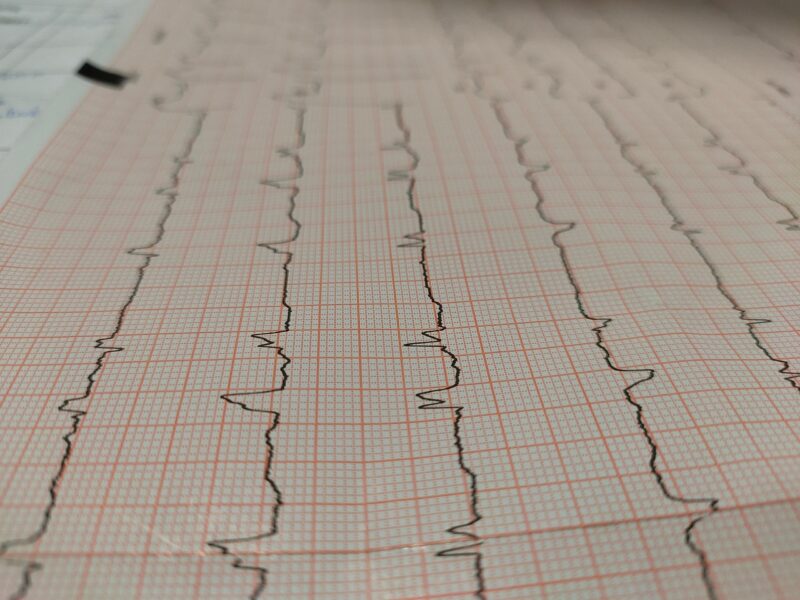
12-Lead ECG: Standard electrocardiography remains the primary diagnostic tool for bradycardia assessment. Research emphasizes key features to evaluate:
- Heart rate and rhythm regularity
- P wave presence and morphology
- PR interval duration
- QRS width and morphology
- AV relationship patterns
Read more about abnormal ECG:https://healthonworld.com/cardiology/cardiac-diagnostic-tests/abnormal-ecg/
Rhythm Monitoring: Extended monitoring studies show that bradycardia may be intermittent, requiring longer observation periods:
24-48 Hour Holter Monitoring: Research indicates that continuous monitoring can capture transient bradycardia episodes that might be missed on standard ECG.
Event Monitors: Studies support the use of patient-activated event monitors for symptoms that occur less frequently.
Implantable Loop Recorders: Long-term monitoring research shows that implantable devices can provide diagnostic information over months to years in patients with infrequent but concerning symptoms.
Laboratory Evaluation
| Test Category | Specific Tests | Clinical Significance |
|---|---|---|
| Thyroid Function | TSH, Free T4 | Rule out hypothyroidism |
| Electrolytes | Na+, K+, Ca2+, Mg2+ | Identify metabolic causes |
| Cardiac Markers | Troponin, BNP | Assess for ischemia/heart failure |
| Drug Levels | Digitalis, others | Evaluate medication toxicity |
Thyroid Function Tests: Endocrinological research consistently demonstrates the importance of thyroid function assessment in bradycardia evaluation, as hypothyroidism represents a readily treatable cause.
Electrolyte Panel: Laboratory studies emphasize checking electrolytes, particularly potassium and calcium, as abnormalities can significantly affect cardiac rhythm.
Drug Levels: Toxicological research supports measuring levels of potential cardiotoxic medications when clinically indicated.
Specialized Testing
Exercise Stress Testing: Cardiopulmonary research shows that exercise testing can help evaluate chronotropic competence (ability to increase heart rate with exertion) and assess symptom correlation with activity.
Electrophysiology Study: Invasive testing studies indicate that EPS may be warranted in select patients to evaluate conduction system function and determine the need for permanent pacing.
Echocardiography: Imaging studies help assess cardiac structure and function, which can influence treatment decisions and prognosis in bradycardia patients.
Treatment and Management
Conservative Management
Observation: Clinical studies indicate that asymptomatic bradycardia in otherwise healthy individuals often requires only monitoring without specific intervention. Research emphasizes regular follow-up to detect symptom development or progression.
Medication Adjustment: Pharmacological management studies show that reducing or discontinuing medications that cause bradycardia can be effective when clinically appropriate:
- Gradual dose reduction rather than abrupt discontinuation
- Careful monitoring during medication adjustments
- Consideration of alternative medications when indicated
Treatment of Underlying Conditions: Research demonstrates that addressing reversible causes can resolve bradycardia:
- Thyroid hormone replacement for hypothyroidism
- Electrolyte correction for metabolic abnormalities
- Treatment of sleep apnea when present
Acute Emergency Management
Symptomatic Bradycardia: Emergency medicine protocols provide specific approaches for unstable bradycardia:
Atropine: Clinical studies show that atropine (0.5-1.0 mg IV) can increase heart rate by blocking parasympathetic stimulation. Research indicates effectiveness is limited in complete heart block or infranodal conduction problems.
Transcutaneous Pacing: Emergency studies demonstrate that external pacing can provide immediate heart rate support while more definitive treatment is arranged. Key considerations include:
- Proper electrode placement
- Gradual current increase until capture achieved
- Sedation/analgesia for patient comfort
- Preparation for transvenous pacing if needed
Chronotropic Medications: Research supports the use of sympathomimetic drugs in emergency situations:
- Dopamine: Studies show effectiveness at 2-10 mcg/kg/min for bradycardia
- Epinephrine: Research indicates utility in severe cases at 2-10 mcg/min
- Isoproterenol: Clinical data supports use at 0.5-10 mcg/min, though arrhythmia risk exists
Permanent Pacemaker Therapy
Indications for Pacing: Electrophysiology research has established clear criteria for permanent pacemaker implantation:
Class I Indications (Definitely Recommended):
- Third-degree AV block with symptoms or ventricular rates <40 bpm
- Second-degree AV block with symptoms
- Sinus node dysfunction with symptoms clearly related to bradycardia
- Chronic bifascicular block with intermittent third-degree AV block
Class II Indications (May Be Reasonable):
- Asymptomatic third-degree AV block with ventricular rates >40 bpm
- Asymptomatic second-degree AV block
- Symptomatic bradycardia due to necessary medications
Class III Indications (Not Recommended):
- Asymptomatic sinus bradycardia
- First-degree AV block
- Bradycardia during sleep in asymptomatic patients
Pacemaker Types and Selection
| Pacemaker Type | Indication | Advantages | Considerations |
|---|---|---|---|
| Single Chamber (VVI) | Chronic AF with slow rate | Simple, reliable | No AV synchrony |
| Dual Chamber (DDD) | Sinus node dysfunction | Maintains AV synchrony | More complex |
| Biventricular (CRT) | Heart failure + bradycardia | Improves cardiac function | Specialized indication |
Device Selection: Engineering studies emphasize that pacemaker choice depends on underlying rhythm disorder, patient age, activity level, and comorbidities.
Programming Considerations: Technical research shows that modern pacemakers offer sophisticated programming options to optimize patient outcomes while minimizing unnecessary pacing.
Leadless Pacemakers
Technology Advances: Recent device studies have introduced leadless pacemakers that eliminate the need for transvenous leads, potentially reducing complications:
- Lower infection risk
- No lead-related complications
- MRI compatibility
- Limitations in programming options
Complications and Prognosis
Complications of Untreated Bradycardia
Hemodynamic Compromise: Cardiovascular studies show that severe bradycardia can lead to:
- Decreased cardiac output
- Hypotension and shock
- End-organ hypoperfusion
- Syncope and falls with injury risk
Heart Failure: Research indicates that chronic bradycardia can contribute to heart failure development or exacerbation, particularly in patients with underlying cardiac disease.
Cognitive Impairment: Neurological studies suggest that chronic cerebral hypoperfusion due to bradycardia may contribute to cognitive decline, especially in elderly patients.
Pacemaker-Related Complications
Acute Complications: Device implantation studies report several potential immediate complications:
- Pneumothorax (1-2% incidence)
- Hematoma formation (2-3% incidence)
- Lead displacement (1-2% incidence)
- Infection (<1% incidence)
Long-term Complications: Follow-up research identifies potential long-term issues:
- Lead fracture or malfunction
- Battery depletion requiring generator replacement
- Pacemaker-mediated tachycardia
- Pacemaker syndrome in single-chamber devices
Prognosis and Outcomes
Physiological Bradycardia: Studies consistently show excellent long-term prognosis for athletes and others with physiological bradycardia, with no increased cardiovascular risk.
Pathological Bradycardia: Research indicates that prognosis depends on:
- Underlying cause and reversibility
- Degree of symptoms and hemodynamic compromise
- Response to treatment
- Presence of other cardiovascular conditions
Pacemaker Recipients: Long-term studies demonstrate good outcomes for appropriately selected pacemaker patients:
- Significant symptom improvement in 85-95% of patients
- Normal life expectancy when underlying heart disease is managed
- Ability to return to normal activities in most cases
Special Considerations
Pediatric Bradycardia
Age-Related Norms: Pediatric cardiology research establishes different heart rate norms for children:
| Age Group | Normal Heart Rate | Bradycardia Threshold |
|---|---|---|
| Newborn | 120-160 bpm | <100 bpm |
| 1-2 years | 90-150 bpm | <80 bpm |
| 3-5 years | 80-140 bpm | <70 bpm |
| 6-12 years | 70-120 bpm | <60 bpm |
| >12 years | 60-100 bpm | <50 bmp |
Congenital Causes: Pediatric studies identify specific causes of bradycardia in children:
- Congenital complete heart block
- Congenital heart disease
- Maternal autoimmune disease affecting fetal conduction system
- Genetic syndromes
Pregnancy and Bradycardia
Physiological Changes: Obstetric research shows that pregnancy normally increases heart rate, making bradycardia less common but potentially more significant when present.
Fetal Considerations: Studies indicate that maternal bradycardia can affect fetal heart rate and development, requiring specialized monitoring and management.
Pacemaker Safety: Research demonstrates that pacemakers are generally safe during pregnancy, though electromagnetic interference from certain medical procedures requires consideration.
Elderly Patients
Age-Related Changes: Geriatric studies show that aging affects cardiac conduction:
- Progressive SA node fibrosis
- Increased prevalence of conduction system disease
- Higher medication sensitivity
- Multiple comorbidities affecting treatment decisions
Quality of Life: Research emphasizes that treatment decisions in elderly patients should consider:
- Life expectancy and functional status
- Patient preferences and goals of care
- Risk-benefit ratio of interventions
- Impact of symptoms on daily activities
Athletes and Exercise
Athletic Screening: Sports medicine research provides guidelines for evaluating bradycardia in athletes:
- Detailed history and physical examination
- 12-lead ECG interpretation in athletic context
- Exercise testing when clinically indicated
- Consideration of sport-specific demands
Return to Activity: Studies provide frameworks for clearance decisions:
- Distinction between physiological and pathological bradycardia
- Assessment of exercise capacity and symptoms
- Consideration of specific sport requirements
- Long-term monitoring recommendations
Prevention and Lifestyle Management
Primary Prevention
Cardiovascular Risk Reduction: Population studies emphasize general cardiovascular health measures:
- Regular exercise within appropriate limits
- Healthy diet and weight management
- Blood pressure and cholesterol control
- Diabetes management when present
- Smoking cessation
Medication Safety: Pharmacovigilance research stresses:
- Regular medication reviews with healthcare providers
- Awareness of bradycardia-inducing medications
- Proper dosing and monitoring
- Recognition of drug interactions
Secondary Prevention
Regular Monitoring: Clinical follow-up studies recommend:
- Periodic ECG monitoring for high-risk patients
- Symptom tracking and reporting
- Medication adherence and level monitoring
- Treatment of underlying conditions
Lifestyle Modifications: Research supports specific recommendations for bradycardia patients:
- Gradual increase in activity levels
- Adequate hydration and electrolyte balance
- Stress management techniques
- Regular sleep patterns
Patient Education
Symptom Recognition: Educational studies emphasize teaching patients to recognize:
- Signs of hemodynamic compromise
- When to seek immediate medical attention
- Proper medication management
- Activity limitations when appropriate
Pacemaker Care: Device education research shows importance of teaching pacemaker patients:
- Proper wound care and infection prevention
- Activity restrictions during healing
- Electromagnetic interference avoidance
- Regular follow-up scheduling
Emerging Therapies and Research
Genetic Therapies
Gene Therapy: Experimental research explores potential genetic approaches to treating inherited bradycardia syndromes:
- Viral vector delivery of normal genes
- Gene editing technologies (CRISPR)
- Stem cell-based therapies
- Biological pacemaker development
Advanced Device Technology
Leadless Systems: Engineering research continues to improve leadless pacemaker technology:
- Extended battery life
- Enhanced programming capabilities
- Improved patient selection criteria
- Combination with other cardiac devices
Biological Pacemakers: Regenerative medicine studies investigate:
- Cell-based pacemaker creation
- Tissue engineering approaches
- Gene therapy to create pacemaker cells
- Hybrid biological-electronic systems
Artificial Intelligence and Monitoring
Predictive Analytics: Computer science research applies AI to bradycardia management:
- Early detection algorithms
- Risk stratification models
- Personalized treatment recommendations
- Remote monitoring optimization
Wearable Technology: Consumer health studies explore:
- Continuous heart rate monitoring
- Early warning systems
- Integration with healthcare providers
- Patient engagement and education tools
Drug Development
Chronotropic Agents: Pharmaceutical research investigates new medications for bradycardia:
- Selective agents with fewer side effects
- Targeted therapy for specific bradycardia types
- Combination therapies
- Personalized medicine approaches
Healthcare System Considerations
Emergency Department Management
Triage and Assessment: Emergency medicine studies provide protocols for bradycardia evaluation:
- Rapid assessment of hemodynamic stability
- Standardized evaluation procedures
- Decision algorithms for intervention
- Disposition planning
Resource Utilization: Health services research examines:
- Appropriate use of monitoring and testing
- Emergency pacing capabilities
- Transfer criteria for specialized care
- Cost-effective evaluation strategies
Outpatient Management
Primary Care Role: Family medicine research defines:
- Screening and detection responsibilities
- Initial evaluation approaches
- Referral criteria for specialty care
- Long-term monitoring requirements
Specialty Care Coordination: Studies emphasize:
- Cardiology consultation indications
- Electrophysiology referral criteria
- Multidisciplinary care approaches
- Communication between providers
Quality Measures and Outcomes
Performance Metrics: Healthcare quality research identifies:
- Appropriate pacemaker utilization rates
- Complication rates and outcomes
- Patient satisfaction measures
- Cost-effectiveness indicators
Continuous Improvement: Quality improvement studies focus on:
- Standardized care protocols
- Provider education and training
- Patient safety initiatives
- Outcome tracking and reporting
Frequently Asked Questions (FAQ)
Q: What heart rate is considered too slow and dangerous? A: While bradycardia is defined as heart rate below 60 bpm, studies show that symptoms and hemodynamic effects matter more than the specific number. Well-trained athletes may have rates of 40-50 bpm safely, while others may experience symptoms at 50-55 bpm. Seek medical attention if you experience dizziness, fainting, chest pain, or shortness of breath with slow heart rate.
Q: Can bradycardia be cured without a pacemaker? A: Research indicates that treatment depends on the underlying cause. Reversible causes like medication effects, thyroid problems, or electrolyte imbalances can often be corrected without permanent pacing. However, intrinsic conduction system problems typically require pacemaker therapy for optimal outcomes.
Q: Is it safe to exercise with bradycardia? A: Studies show that exercise safety depends on the cause of bradycardia and presence of symptoms. Physiological bradycardia in athletes is generally safe, while pathological bradycardia may require exercise restrictions. Always consult with healthcare providers before starting or continuing exercise programs.
Q: How long do pacemaker batteries last? A: Device studies indicate that modern pacemaker batteries typically last 7-12 years, depending on usage, device type, and individual programming. Regular follow-up appointments monitor battery status and provide advance warning before replacement is needed.
Q: Can stress or anxiety cause bradycardia? A: While stress typically increases heart rate, research shows that severe anxiety or vasovagal responses can sometimes cause bradycardia. However, persistent bradycardia is more likely due to other causes and should be evaluated medically.
Q: What medications commonly cause bradycardia? A: Studies identify several medication classes that can slow heart rate: beta-blockers, calcium channel blockers (verapamil, diltiazem), digitalis, and some antiarrhythmic drugs. Never stop prescribed medications without medical supervision, as abrupt discontinuation can be dangerous.
Q: Can bradycardia cause memory problems? A: Research suggests that severe or chronic bradycardia may contribute to cognitive issues through reduced cerebral blood flow. However, many factors can affect memory, and proper evaluation by healthcare providers is essential to determine any relationship.
Q: Is bradycardia hereditary? A: Studies indicate that some forms of bradycardia, particularly certain conduction system diseases and cardiomyopathies, can have genetic components. Family history evaluation and genetic counseling may be recommended in specific cases.
Medical Disclaimer: This article provides comprehensive educational information about bradycardia and should not replace professional medical advice, diagnosis, or treatment. The content is intended for informational purposes only and does not constitute medical recommendations or treatment guidelines. Bradycardia can range from benign to life-threatening, requiring individualized medical evaluation. Always consult qualified healthcare providers for proper assessment, diagnosis, and treatment of slow heart rate or related symptoms. Treatment decisions should be made by medical professionals based on comprehensive clinical evaluation, patient history, and current medical guidelines. The information presented reflects current understanding but medical knowledge continues to evolve, and readers should seek current medical advice for specific health concerns.