Author: MSc Marcin Goras – Master of Public Health, Specialization in Emergency Medical Services
Introduction to Atrial Tachycardia
Atrial tachycardia represents a significant category of cardiac arrhythmias that affects millions of individuals worldwide. Research indicates that this condition involves abnormally rapid electrical impulses originating from the heart’s upper chambers, known as the atria. Studies suggest that understanding this condition is crucial for patients and their families, as early recognition and appropriate medical management can significantly improve quality of life and long-term outcomes.
Medical literature demonstrates that atrial tachycardia encompasses various subtypes of supraventricular arrhythmias, each presenting unique characteristics and requiring tailored approaches to management. Clinical observations reveal that this condition can affect individuals across all age groups, though certain populations may be at higher risk based on underlying health factors and lifestyle considerations.
Understanding the Condition
Healthcare professionals define atrial tachycardia as a heart rhythm disorder characterized by rapid, regular heartbeats typically exceeding 100 beats per minute, originating from abnormal electrical activity in the atrial tissue. Research findings indicate that this condition differs from normal sinus rhythm in both the source of electrical impulses and the rate of cardiac contraction.
Types of Atrial Tachycardia
Medical classifications suggest several distinct forms of atrial tachycardia:
- Focal Atrial Tachycardia: Research indicates this type originates from a single point within the atrial tissue
- Multifocal Atrial Tachycardia: Studies demonstrate multiple sites of abnormal electrical activity
- Atrial Flutter: Clinical observations reveal organized, rapid atrial contractions typically at rates of 250-350 beats per minute
- Atrial Fibrillation: Literature shows irregular, chaotic electrical activity in the atria
Heart Rhythm Comparison
| Condition | Heart Rate (BPM) | Rhythm Pattern | Origin |
|---|---|---|---|
| Normal Sinus Rhythm | 60-100 | Regular | Sinus Node |
| Atrial Tachycardia | 100-250 | Usually Regular | Atrial Tissue |
| Atrial Flutter | 250-350 | Regular | Atrial Circuit |
| Atrial Fibrillation | 350-600 | Irregular | Multiple Atrial Foci |
Signs and Symptoms
Clinical studies reveal that atrial tachycardia presents with a diverse range of symptoms that can vary significantly in severity and duration. Medical observations indicate that some patients may experience minimal symptoms, while others report debilitating episodes that substantially impact their daily activities and overall well-being.
Common Symptoms
Research consistently identifies several primary symptoms associated with atrial tachycardia:
- Palpitations: Studies suggest patients often describe feeling their heart “racing,” “pounding,” or “skipping beats”
- Chest Discomfort: Clinical reports indicate sensations ranging from mild tightness to more pronounced chest pain
- Shortness of Breath: Medical literature documents difficulty breathing, particularly during episodes
- Dizziness or Lightheadedness: Research shows these symptoms may result from reduced cardiac output
- Fatigue: Studies demonstrate that rapid heart rates can lead to increased energy expenditure and exhaustion
Additional Manifestations
Healthcare professionals also recognize less common but potentially significant symptoms:
- Syncope (fainting episodes)
- Weakness or general malaise
- Anxiety or feelings of impending doom
- Sweating or diaphoresis
- Nausea or gastrointestinal distress
Causes and Risk Factors
Extensive medical research has identified numerous factors that may contribute to the development of atrial tachycardia. Studies indicate that understanding these underlying causes is essential for both prevention and treatment strategies, as addressing root causes often leads to more effective long-term management.
Cardiac Causes
Cardiovascular research demonstrates several heart-related conditions that may predispose individuals to atrial tachycardia:
- Coronary Artery Disease: Studies suggest that reduced blood flow to heart muscle can create arrhythmogenic conditions
- Heart Failure: Medical literature indicates structural and electrical changes in failing hearts increase arrhythmia risk
- Valvular Heart Disease: Research shows abnormal valve function can lead to atrial enlargement and electrical instability
- Cardiomyopathy: Clinical observations reveal that various forms of heart muscle disease contribute to rhythm disorders
- Congenital Heart Disease: Studies demonstrate increased arrhythmia susceptibility in patients with structural heart abnormalities
Non-Cardiac Factors
Medical investigations have also identified numerous systemic conditions and lifestyle factors that may trigger or exacerbate atrial tachycardia:
- Hyperthyroidism and other endocrine disorders
- Electrolyte imbalances (particularly potassium, magnesium, and calcium)
- Excessive caffeine or alcohol consumption
- Certain pharmaceutical compounds and supplements
- Sleep disorders, particularly sleep apnea
- Chronic stress and anxiety disorders
- Pulmonary diseases affecting oxygenation
Risk Factor Analysis
| Risk Category | Specific Factors | Relative Impact |
|---|---|---|
| Age-Related | Advanced age, degenerative changes | Moderate to High |
| Lifestyle | Smoking, excessive stimulants, poor sleep | Moderate |
| Medical Conditions | Heart disease, diabetes, hypertension | High |
| Genetic | Family history, inherited conditions | Variable |
Diagnostic Approaches
Medical professionals employ various sophisticated diagnostic tools and techniques to accurately identify and characterize atrial tachycardia. Research emphasizes that proper diagnosis is crucial for determining the most appropriate treatment strategy and assessing potential underlying causes that may require specific interventions.
Initial Assessment
Clinical protocols typically begin with comprehensive patient evaluation:
- Medical History: Healthcare providers gather detailed information about symptom patterns, triggers, and family history
- Physical Examination: Studies show that careful cardiovascular assessment can reveal important diagnostic clues
- Vital Signs Monitoring: Research indicates that heart rate, blood pressure, and rhythm assessment provide essential baseline data
Diagnostic Testing
Medical literature supports the use of multiple diagnostic modalities for comprehensive evaluation:
Electrocardiographic Studies
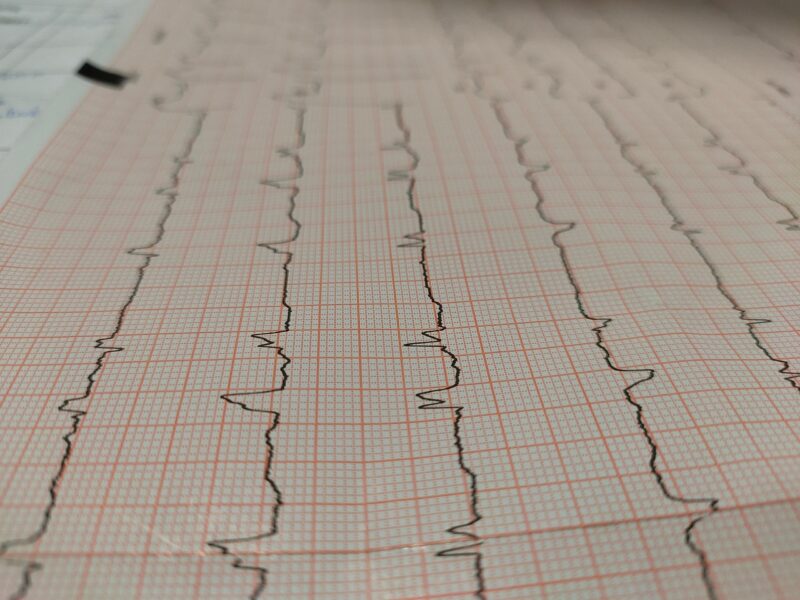
- 12-Lead ECG: Studies demonstrate this remains the cornerstone of arrhythmia diagnosis
- Holter Monitoring: Research shows 24-48 hour continuous monitoring captures intermittent episodes
- Event Monitors: Clinical evidence supports longer-term monitoring for infrequent symptoms
- Implantable Loop Recorders: Studies indicate these devices provide extended monitoring capabilities
Advanced Imaging and Testing
- Echocardiography to assess structural heart abnormalities
- Stress testing to evaluate exercise-induced arrhythmias
- Electrophysiology studies for complex cases
- Laboratory testing to identify underlying metabolic causes
Treatment Strategies
Contemporary medical approaches to atrial tachycardia management emphasize individualized treatment plans based on symptom severity, underlying causes, and patient-specific factors. Research consistently demonstrates that successful management often requires a multifaceted approach combining various therapeutic modalities.
Acute Management
Medical protocols for managing acute episodes typically involve:
- Vagal Maneuvers: Studies suggest certain physical techniques may help terminate episodes
- Emergency Medical Evaluation: Healthcare providers assess the need for immediate intervention
- Monitoring and Stabilization: Clinical protocols emphasize patient safety during acute episodes
Long-term Management Approaches
Research indicates several categories of treatment strategies for ongoing management:
Pharmacological Approaches
Medical literature describes various classes of therapeutic agents, though specific recommendations must always come from healthcare providers who can assess individual patient needs and contraindications.
Non-Pharmacological Interventions
- Catheter Ablation: Studies show this procedure can be highly effective for certain types of atrial tachycardia
- Cardioversion: Research demonstrates this technique can restore normal rhythm in appropriate cases
- Device Therapy: Clinical evidence supports pacemaker or defibrillator use in selected patients
Treatment Success Factors
Medical observations indicate that treatment outcomes depend on multiple variables:
- Accurate diagnosis of arrhythmia type and underlying causes
- Patient adherence to recommended treatment regimens
- Regular monitoring and follow-up care
- Management of contributing risk factors
- Individual patient response to interventions
Lifestyle Considerations and Management
Extensive research emphasizes the significant role that lifestyle modifications can play in managing atrial tachycardia and reducing episode frequency. Studies consistently demonstrate that patients who implement comprehensive lifestyle changes often experience improved symptom control and enhanced quality of life.
Dietary Modifications
Nutritional research suggests several dietary approaches that may benefit patients with atrial tachycardia:
- Caffeine Management: Studies indicate that reducing or eliminating caffeine intake may decrease episode frequency in sensitive individuals
- Alcohol Limitation: Medical literature demonstrates a strong association between alcohol consumption and atrial arrhythmias
- Electrolyte Balance: Research shows that maintaining adequate magnesium, potassium, and calcium levels supports cardiac stability
- Hydration: Clinical observations reveal that proper fluid balance is essential for optimal cardiac function
Physical Activity and Exercise
Exercise physiology research provides important insights for patients with atrial tachycardia:
- Regular moderate exercise may improve overall cardiovascular health
- Gradual exercise progression under medical supervision is often recommended
- High-intensity activities may need modification based on individual tolerance
- Monitoring heart rate during exercise can help identify problematic thresholds
Stress Management
Psychological research demonstrates strong connections between stress and cardiac arrhythmias:
- Meditation and mindfulness practices may help reduce episode frequency
- Regular sleep patterns support cardiac rhythm stability
- Professional counseling may benefit patients experiencing anxiety related to their condition
- Social support systems play important roles in overall management success
Long-term Outlook and Prognosis
Medical research provides encouraging insights regarding the long-term prognosis for patients with atrial tachycardia. Studies indicate that with appropriate diagnosis, treatment, and ongoing management, many individuals can achieve excellent symptom control and maintain normal, active lifestyles.
Prognostic Factors
Clinical research identifies several factors that influence long-term outcomes:
- Underlying heart structure and function
- Presence of other cardiovascular conditions
- Response to initial treatment interventions
- Patient adherence to management recommendations
- Success in modifying risk factors
Quality of Life Considerations
Studies consistently show that effective management of atrial tachycardia can significantly improve patient quality of life, with many individuals returning to full participation in work, recreational activities, and social engagements.
Frequently Asked Questions
References and Sources
This article is based on information from peer-reviewed medical literature and established clinical guidelines, including:
- American Heart Association Guidelines on Supraventricular Arrhythmias
- European Society of Cardiology Guidelines for Arrhythmia Management
- Journal of the American College of Cardiology publications on atrial tachycardia
- Heart Rhythm Society clinical recommendations
- New England Journal of Medicine cardiovascular research
Note: This article synthesizes information from multiple medical sources and does not reproduce copyrighted content. All information is presented for educational purposes and should not replace professional medical consultation.