MEDICAL EMERGENCY: Cardiogenic shock is a life-threatening condition requiring immediate emergency medical intervention. If you suspect cardiogenic shock, call emergency services immediately. This article is for educational purposes and should not delay emergency treatment.
Medical Disclaimer: This article provides educational information about cardiogenic shock and should not replace emergency medical care or professional medical advice. Always seek immediate medical attention for suspected cardiogenic shock.
Author: MSc Marcin Goras – Master of Public Health, Specialization in Emergency Medical Services
Published: August 13, 2025
Last Updated: August 13, 2025
Reading Time: 15 minutes
Critical Facts About Cardiogenic Shock
- Cardiogenic shock occurs in 5-10% of patients with acute myocardial infarction
- In-hospital mortality rates range from 40-80% depending on cause and treatment timing
- Early recognition and intervention are crucial for survival
- Mechanical circulatory support has improved outcomes significantly
- Time-sensitive condition requiring specialized cardiac intensive care
Understanding Cardiogenic Shock: Definition and Pathophysiology
 Cardiogenic shock represents the most severe form of acute heart failure, characterized by inadequate cardiac output leading to end-organ hypoperfusion despite adequate preload. This life-threatening condition occurs when the heart’s pumping function becomes so severely impaired that it cannot maintain sufficient blood pressure and organ perfusion to sustain life.
The pathophysiology of cardiogenic shock involves a vicious cycle where reduced cardiac output leads to hypotension, which further compromises coronary perfusion, resulting in additional myocardial dysfunction and further reduction in cardiac output. This downward spiral, if not interrupted promptly, leads to multi-organ failure and death.
Unlike other forms of shock (hypovolemic, distributive, or obstructive), cardiogenic shock specifically results from primary cardiac dysfunction. The condition represents a spectrum of severity, from mild hemodynamic compromise to complete cardiovascular collapse requiring immediate mechanical support.
Hemodynamic Criteria for Cardiogenic Shock
- Systolic blood pressure <90 mmHg for >30 minutes
- Cardiac index <2.2 L/min/m² (or <1.8 L/min/m² with support)
- Pulmonary capillary wedge pressure >15 mmHg
- Evidence of end-organ hypoperfusion (elevated lactate, oliguria, altered mental status)
Etiology and Risk Factors
Cardiogenic shock can result from various acute and chronic cardiac conditions, with acute myocardial infarction being the most common cause, accounting for approximately 80% of cases.
Primary Causes
Acute Myocardial Infarction (AMI): The leading cause of cardiogenic shock, particularly in large anterior wall infarctions or multivessel disease. Shock typically develops when more than 40% of the left ventricular myocardium is damaged or dysfunctional.
Mechanical Complications of MI: These include acute mitral regurgitation due to papillary muscle rupture, ventricular septal defect (VSD), and free wall rupture with cardiac tamponade. These complications occur in 1-3% of myocardial infarctions but carry extremely high mortality rates.
Acute Decompensated Heart Failure: Severe exacerbation of chronic heart failure, often precipitated by medication non-compliance, arrhythmias, infections, or other stressors.
Secondary Causes
Arrhythmias: Both bradyarrhythmias (complete heart block, severe bradycardia) and tachyarrhythmias (ventricular tachycardia, atrial fibrillation with rapid ventricular response) can precipitate cardiogenic shock in susceptible patients.
Acute Valvular Disease: Acute aortic regurgitation (from endocarditis or aortic dissection), acute mitral regurgitation, or critical aortic stenosis can cause rapid hemodynamic deterioration.
Myocarditis: Acute inflammatory cardiomyopathy, often viral in origin, can present with fulminant heart failure and cardiogenic shock, particularly in younger patients.
Stress Cardiomyopathy: Also known as takotsubo cardiomyopathy or “broken heart syndrome,” this condition can occasionally present with cardiogenic shock, particularly in elderly women following emotional or physical stress.
Iatrogenic and Drug-Related Causes
- Beta-blocker or calcium channel blocker overdose
- Cardiotoxic chemotherapy agents (doxorubicin, trastuzumab)
- Cocaine or amphetamine toxicity
- Post-cardiac surgery complications
- Post-cardiac catheterization complications
Risk Stratification Factors
High-Risk Features Associated with Increased Mortality:
- Advanced age (>75 years)
- Diabetes mellitus
- Prior myocardial infarction or heart failure
- Multivessel coronary disease
- Mechanical complications
- Severe left ventricular dysfunction (EF <30%)
- Renal dysfunction or multi-organ failure
- Delayed presentation or treatment
Clinical Presentation and Recognition
The clinical presentation of cardiogenic shock varies depending on the underlying cause, severity, and duration of the condition. Early recognition is crucial for optimal outcomes, as the condition can rapidly progress to irreversible multi-organ failure.
Cardiovascular Signs and Symptoms
Hypotension: Sustained systolic blood pressure below 90 mmHg, often with a narrow pulse pressure. Patients may present with severe hypotension requiring immediate vasopressor support.
Tachycardia: Compensatory increase in heart rate, typically above 100 beats per minute, as the body attempts to maintain cardiac output. However, some patients may present with bradycardia if the shock is due to conduction abnormalities.
Signs of Poor Perfusion: Cool, clammy, mottled skin; delayed capillary refill; weak or absent peripheral pulses; and cyanosis of extremities.
Pulmonary Manifestations
Acute Pulmonary Edema: Severe dyspnea, orthopnea, and pink frothy sputum due to elevated left-sided filling pressures. Patients often present in severe respiratory distress requiring immediate intervention.
Respiratory Failure: Hypoxemia and hypercapnia may develop rapidly, often necessitating mechanical ventilation support.
Neurological and Systemic Signs
Altered Mental Status: Confusion, agitation, or obtundation resulting from cerebral hypoperfusion. This is an important early sign of inadequate organ perfusion.
Oliguria: Urine output less than 0.5 mL/kg/hour, indicating renal hypoperfusion and potential acute kidney injury.
Metabolic Acidosis: Elevated serum lactate levels (typically >2.0 mmol/L) reflecting tissue hypoperfusion and anaerobic metabolism.
Diagnostic Evaluation and Assessment
Rapid and accurate diagnosis of cardiogenic shock requires a systematic approach combining clinical assessment, laboratory studies, and advanced monitoring techniques. The evaluation must be performed expeditiously while simultaneously initiating life-saving interventions.
Initial Clinical Assessment
Physical Examination: Focused cardiovascular examination including assessment of jugular venous pressure, heart sounds (listening for gallops, murmurs suggesting mechanical complications), lung examination for pulmonary edema, and peripheral perfusion assessment.
Vital Signs Monitoring: Continuous monitoring of blood pressure, heart rate, respiratory rate, oxygen saturation, and temperature. Arterial blood pressure monitoring is often necessary for accurate assessment.
Laboratory Studies
Cardiac Biomarkers: Troponin levels to assess for acute myocardial infarction, CK-MB for timing of infarction, and BNP or NT-proBNP to evaluate heart failure severity.
Arterial Blood Gas: Assessment of oxygenation, ventilation, and acid-base status. Metabolic acidosis with elevated lactate is common in cardiogenic shock.
Complete Metabolic Panel: Evaluation of renal function (creatinine, BUN), electrolytes (particularly potassium and magnesium), liver function tests, and glucose levels.
Coagulation Studies: PT/INR and aPTT, particularly important if thrombolytic therapy or anticoagulation is being considered.
Imaging and Hemodynamic Assessment
Echocardiography: Urgent bedside echocardiography is essential to assess left ventricular function, wall motion abnormalities, valve function, and identify mechanical complications such as mitral regurgitation or ventricular septal defect.
Chest Radiography: Evaluation for pulmonary edema, cardiomegaly, and exclusion of pneumothorax or other pulmonary causes of dyspnea.
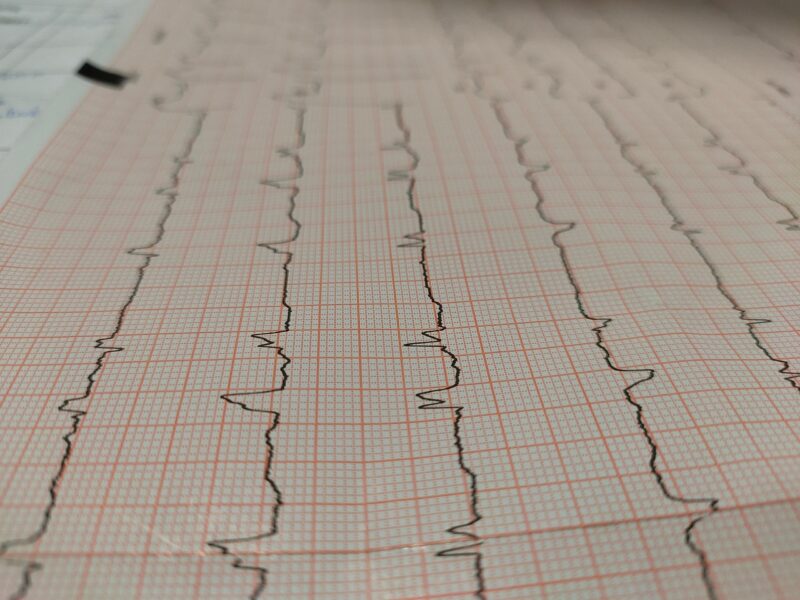
Electrocardiography: 12-lead ECG to identify acute ST-elevation myocardial infarction, arrhythmias, or conduction abnormalities. Serial ECGs may be necessary to monitor evolution.
Pulmonary Artery Catheterization: In selected cases, Swan-Ganz catheterization provides detailed hemodynamic assessment including cardiac output, pulmonary capillary wedge pressure, and systemic vascular resistance calculations.
Emergency Management and Treatment Protocols
Immediate Stabilization (First 30 Minutes)
The initial management of cardiogenic shock follows the ABCDE approach while simultaneously addressing the underlying cause. Time is critical, and interventions must be implemented rapidly and efficiently.
Airway and Breathing Support
Oxygen Therapy: High-flow oxygen or non-invasive positive pressure ventilation for respiratory distress. Many patients require early intubation and mechanical ventilation due to severe pulmonary edema and respiratory failure.
Mechanical Ventilation: When indicated, use lung-protective ventilation strategies with appropriate PEEP to improve oxygenation while minimizing adverse effects on venous return.
Circulation and Hemodynamic Support
Intravenous Access: Establish large-bore peripheral IV access and consider central venous access for vasopressor administration and hemodynamic monitoring.
Fluid Management: Cautious fluid administration in cardiogenic shock. Small fluid boluses (250-500 mL) may be appropriate if there is evidence of hypovolemia, but excessive fluids can worsen pulmonary edema.
Pharmacological Interventions
Vasopressors and Inotropes:
- Norepinephrine: First-line vasopressor for severe hypotension, typically started at 0.1-0.5 mcg/kg/min and titrated to effect
- Dobutamine: Inotropic agent for patients with adequate blood pressure but poor cardiac output, usual dose 2.5-15 mcg/kg/min
- Dopamine: Combined inotropic and vasopressor effects, dose-dependent actions (5-20 mcg/kg/min)
- Epinephrine: Reserved for refractory shock or cardiac arrest situations
- Milrinone: Phosphodiesterase inhibitor with inotropic and vasodilatory properties, useful in selected cases
Diuretics: Furosemide or other loop diuretics for pulmonary edema, but use cautiously to avoid further reduction in preload and cardiac output.
Reperfusion Therapy
Primary PCI: For cardiogenic shock complicating acute STEMI, emergency percutaneous coronary intervention is the preferred reperfusion strategy. Time to reperfusion is critical for outcomes.
Thrombolytic Therapy: May be considered if primary PCI is not immediately available, though outcomes are generally inferior to primary PCI in cardiogenic shock.
Emergency Cardiac Surgery: For mechanical complications such as papillary muscle rupture, ventricular septal defect, or free wall rupture, emergency cardiac surgery may be life-saving.
Mechanical Circulatory Support
Mechanical circulatory support devices have revolutionized the management of cardiogenic shock, providing temporary hemodynamic support while allowing time for cardiac recovery or as a bridge to more definitive therapies.
Intra-Aortic Balloon Pump (IABP)
The IABP was historically the most commonly used mechanical support device for cardiogenic shock. It provides modest hemodynamic support through diastolic augmentation and systolic unloading, typically improving cardiac output by 10-15% and reducing myocardial oxygen demand.
Indications: Cardiogenic shock as a bridge to recovery or more advanced support, mechanical complications of MI, high-risk PCI procedures.
Contraindications: Severe aortic regurgitation, aortic dissection, severe peripheral arterial disease, uncontrolled bleeding.
Percutaneous Ventricular Assist Devices
Impella Devices: Axial flow pumps that provide more robust hemodynamic support than IABP, with flow rates of 2.5-5.5 L/min depending on the device size. These devices directly unload the left ventricle and improve coronary perfusion.
TandemHeart: Centrifugal pump system that provides left atrial-to-arterial support with flow rates up to 4-5 L/min.
Extracorporeal Membrane Oxygenation (ECMO)
Venoarterial ECMO (VA-ECMO): Provides both cardiac and respiratory support, capable of full circulatory support with flows up to 6-7 L/min. Reserved for the most severe cases of cardiogenic shock.
Indications: Refractory cardiogenic shock, post-cardiotomy shock, bridge to heart transplantation or long-term ventricular assist device.
Complications: Bleeding, infection, limb ischemia, neurological complications, and significant resource requirements.
Prognosis and Outcomes
The prognosis of cardiogenic shock has improved significantly over the past decades due to advances in reperfusion strategies, mechanical circulatory support, and intensive care management. However, it remains a condition with substantial morbidity and mortality.
Survival Statistics
- Overall in-hospital mortality: 40-60% (varies by cause and treatment center)
- 30-day mortality: 45-65%
- 1-year survival: 45-55% for hospital survivors
- Better outcomes with early revascularization and mechanical support
- Younger patients and those without comorbidities have improved survival
Factors Influencing Prognosis
Favorable Prognostic Factors:
- Younger age (<65 years)
- Early presentation and treatment (<6 hours from symptom onset)
- Successful revascularization with TIMI 3 flow
- Absence of mechanical complications
- Preserved right ventricular function
- Lower baseline creatinine
- Absence of prior myocardial infarction
Poor Prognostic Factors:
- Advanced age (>75 years)
- Multi-organ failure
- Mechanical complications (VSD, acute MR)
- Failed revascularization
- Prolonged shock duration
- Need for multiple vasopressors
- Severe acidosis (pH <7.30)
- Elevated lactate levels (>4 mmol/L)
Prevention and Risk Reduction
While cardiogenic shock often occurs as an unpredictable complication of acute cardiac events, several strategies can reduce the risk of developing this life-threatening condition.
Primary Prevention
- Optimal management of cardiovascular risk factors (hypertension, diabetes, dyslipidemia)
- Smoking cessation and lifestyle modifications
- Regular cardiovascular screening and preventive care
- Medication compliance for patients with known coronary artery disease
- Recognition and prompt treatment of acute coronary syndromes
Secondary Prevention
For patients who survive cardiogenic shock, aggressive secondary prevention measures are essential:
- Optimal medical therapy including ACE inhibitors, beta-blockers, and statins
- Cardiac rehabilitation programs
- Regular cardiology follow-up
- Implantable cardioverter-defibrillator evaluation
- Heart failure management optimization
Future Directions and Emerging Therapies
Research in cardiogenic shock management continues to evolve, with several promising areas of investigation:
Advanced Mechanical Support: Development of smaller, more durable percutaneous devices with improved biocompatibility and reduced complications.
Pharmacological Innovations: Novel inotropic agents, myocardial protective therapies, and targeted anti-inflammatory treatments.
Cellular and Regenerative Therapies: Stem cell therapy and tissue engineering approaches for myocardial repair and regeneration.
Artificial Intelligence: Machine learning algorithms for early recognition, risk stratification, and treatment optimization.
References and Sources
- Thiele H, Ohman EM, de Waha-Thiele S, Zeymer U, Desch S. Management of cardiogenic shock complicating myocardial infarction: an update 2019. European Heart Journal. 2019;40(32):2671-2683.
- Vallabhajosyula S, Dunlay SM, Prasad A, et al. Acute Noncardiac Organ Failure in Acute Myocardial Infarction With Cardiogenic Shock. Journal of the American College of Cardiology. 2019;73(14):1781-1791.
- Kolte D, Khera S, Aronow WS, et al. Trends in incidence, management, and outcomes of cardiogenic shock complicating ST-elevation myocardial infarction in the United States. Journal of the American Heart Association. 2014;3(1):e000590.
- Hochman JS, Sleeper LA, Webb JG, et al. Early revascularization in acute myocardial infarction complicated by cardiogenic shock. New England Journal of Medicine. 1999;341(9):625-634.
- Ouweneel DM, Eriksen E, Sjauw KD, et al. Percutaneous Mechanical Circulatory Support Versus Intra-Aortic Balloon Pump in Cardiogenic Shock After Acute Myocardial Infarction. Journal of the American College of Cardiology. 2017;69(3):278-287.
- Thiele H, Zeymer U, Neumann FJ, et al. Intraaortic balloon support for myocardial infarction with cardiogenic shock. New England Journal of Medicine. 2012;367(14):1287-1296.
- Kapur NK, Esposito ML, Bader Y, et al. Mechanical Circulatory Support Devices for Acute Right Heart Failure. Circulation. 2017;136(3):314-326.
- van Diepen S, Katz JN, Albert NM, et al. Contemporary Management of Cardiogenic Shock: A Scientific Statement From the American Heart Association. Circulation. 2017;136(16):e232-e268.
-
- American Heart Association Guidelines on Supraventricular Arrhythmias
- European Society of Cardiology Guidelines for Arrhythmia Management
- Journal of the American College of Cardiology publications on atrial tachycardia
- Heart Rhythm Society clinical recommendations
- New England Journal of Medicine cardiovascular research