Author: MSc Marcin Goras – Master of Public Health, Specialization in Emergency Medical Services
Published: September 15, 2025
Last Updated: September 15, 2025
Reading Time: 12-15 minutes
Introduction
Ventricular arrhythmias represent one of the most critical categories of cardiac rhythm disorders, potentially affecting millions of individuals worldwide. Research indicates that these conditions can range from relatively benign isolated beats to life-threatening emergencies requiring immediate medical intervention. Understanding these complex heart rhythm disturbances empowers patients to recognize warning signs and seek appropriate medical care when necessary.
Contemporary cardiovascular medicine has made significant advances in both diagnosing and managing ventricular arrhythmias. Studies suggest that early recognition and proper treatment can dramatically improve patient outcomes and quality of life. This comprehensive guide aims to provide evidence-based information while emphasizing the importance of professional medical consultation for proper diagnosis and treatment planning.
What Are Ventricular Arrhythmias?
Ventricular arrhythmias are abnormal heart rhythms that originate in the ventricles, the heart’s lower chambers responsible for pumping blood to the lungs and body. Clinical research demonstrates that these rhythm disturbances occur when the heart’s electrical system malfunctions, causing irregular, too fast, or chaotic heartbeats.
Key Characteristics
| Feature | Normal Heart Rhythm | Ventricular Arrhythmia |
|---|---|---|
| Origin | Sinoatrial node | Ventricular tissue |
| Rate | 60-100 bpm | Variable (often >100 bpm) |
| Regularity | Regular | Often irregular |
| QRS Complex | Narrow (<120ms) | Wide (>120ms) |
Medical literature indicates that ventricular arrhythmias can be classified based on their duration, frequency, and hemodynamic impact. Some may cause minimal symptoms, while others can lead to sudden cardiac death if left untreated.
Heart Anatomy and Electrical System
Understanding the heart’s electrical conduction system is crucial for comprehending ventricular arrhythmias. Research shows that the heart’s natural pacemaker, the sinoatrial (SA) node, normally initiates electrical impulses that travel through specialized pathways.
Normal Electrical Conduction Pathway
- Sinoatrial Node: Natural pacemaker generating 60-100 beats per minute
- Atrioventricular Node: Delays impulse to allow ventricular filling
- Bundle of His: Conducts impulses to ventricles
- Purkinje Fibers: Distribute impulses throughout ventricular muscle
Studies demonstrate that when this system malfunctions, abnormal electrical activity can arise from ventricular tissue, leading to various arrhythmic patterns.
Types of Ventricular Arrhythmias
Clinical classifications recognize several distinct types of ventricular arrhythmias, each with unique characteristics and clinical implications:
Premature Ventricular Contractions (PVCs)
Research indicates that PVCs are extra heartbeats originating from the ventricles. Studies suggest they occur in up to 75% of healthy individuals and are often benign when isolated.
Ventricular Tachycardia (VT)
Medical literature defines VT as three or more consecutive ventricular beats at rates exceeding 100 beats per minute. Clinical studies distinguish between:
- Non-sustained VT: Episodes lasting less than 30 seconds
- Sustained VT: Episodes persisting beyond 30 seconds or requiring intervention
Ventricular Fibrillation (VF)
Research demonstrates that VF represents a medical emergency characterized by chaotic, ineffective ventricular contractions. Studies indicate this condition is incompatible with life without immediate intervention.
Torsades de Pointes
Medical literature describes this as a specific form of polymorphic VT associated with QT interval prolongation. Research suggests it can spontaneously terminate or progress to ventricular fibrillation.
Causes and Risk Factors
Scientific evidence identifies numerous factors that may contribute to ventricular arrhythmia development:
Structural Heart Disease
- Coronary artery disease: Studies show this is the most common underlying cause
- Cardiomyopathy: Research indicates various forms can predispose to arrhythmias
- Heart failure: Clinical data suggests progressive dysfunction increases risk
- Valvular disease: Evidence points to structural abnormalities as triggers
Non-cardiac Factors
- Electrolyte imbalances: Research emphasizes the importance of potassium, magnesium, and calcium levels
- Pharmacological agents: Studies identify certain medications as potential triggers
- Substance use: Evidence links alcohol, cocaine, and other substances to arrhythmia risk
- Metabolic disorders: Research suggests thyroid dysfunction and diabetes may contribute
Genetic Factors
Contemporary research has identified several inherited conditions associated with ventricular arrhythmias:
- Long QT syndrome
- Brugada syndrome
- Catecholaminergic polymorphic ventricular tachycardia (CPVT)
- Arrhythmogenic right ventricular cardiomyopathy (ARVC)
Clinical Symptoms and Warning Signs
Research indicates that ventricular arrhythmia symptoms can vary significantly depending on the type, duration, and underlying heart function. Studies suggest that some patients may experience no symptoms, while others face life-threatening presentations.
Common Symptoms
- Palpitations: Studies show this is the most frequently reported symptom
- Chest discomfort: Research indicates varying intensity and characteristics
- Shortness of breath: Evidence suggests correlation with hemodynamic compromise
- Dizziness or lightheadedness: Clinical data links this to reduced cardiac output
- Syncope: Studies emphasize this as a serious warning sign requiring immediate evaluation
Emergency Symptoms
Medical literature identifies certain symptoms requiring immediate medical attention:
- Loss of consciousness
- Severe chest pain
- Severe difficulty breathing
- Signs of cardiac arrest
Diagnostic Approaches
Contemporary cardiology employs various diagnostic tools to identify and characterize ventricular arrhythmias. Research demonstrates the importance of comprehensive evaluation for optimal patient management.
Electrocardiogram (ECG)
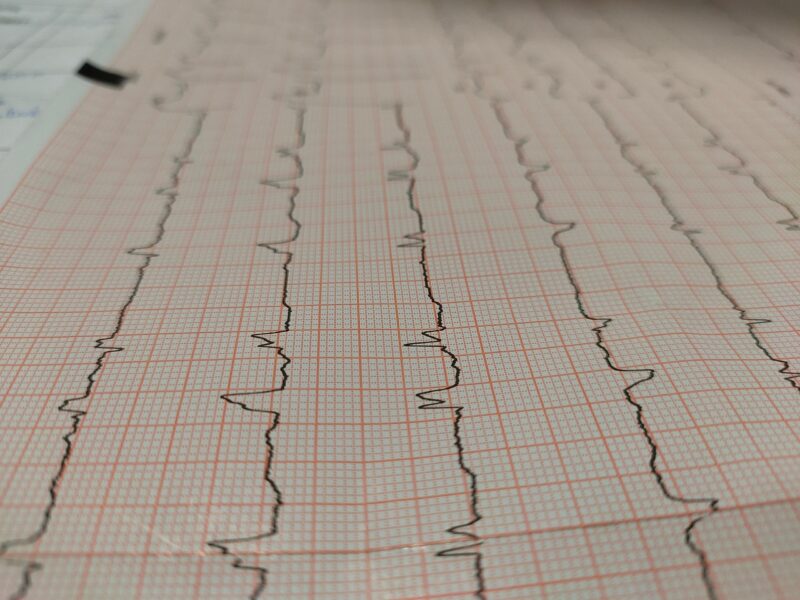
Studies indicate that the 12-lead ECG remains the cornerstone of arrhythmia diagnosis. Research shows that characteristic patterns can help differentiate various arrhythmia types.
Ambulatory Monitoring
- Holter monitoring: 24-48 hour continuous recording
- Event monitors: Patient-activated devices for symptom correlation
- Implantable loop recorders: Long-term monitoring for infrequent episodes
Imaging Studies
- Echocardiography: Assesses structural abnormalities and function
- Cardiac MRI: Provides detailed tissue characterization
- Nuclear imaging: Evaluates perfusion and viability
Invasive Testing
Research suggests that electrophysiology studies may be necessary for:
- Risk stratification
- Mechanism clarification
- Treatment planning
Treatment Strategies
Medical literature emphasizes that ventricular arrhythmia treatment should be individualized based on multiple factors including arrhythmia type, symptoms, underlying heart disease, and patient preferences. It is crucial to consult with a qualified cardiologist or electrophysiologist for proper evaluation and treatment planning.
Conservative Management
Studies suggest that certain patients with infrequent, asymptomatic arrhythmias may benefit from:
- Lifestyle modifications
- Treatment of underlying conditions
- Regular monitoring
Pharmacological Approaches
Research indicates that various therapeutic options exist, though specific treatments must be determined by healthcare providers based on individual patient assessment.
Device Therapy
Clinical evidence supports the use of implantable devices in appropriate candidates:
- Implantable Cardioverter Defibrillators (ICDs): For high-risk patients
- Cardiac Resynchronization Therapy (CRT): For heart failure patients with specific criteria
Catheter Ablation
Studies demonstrate that radiofrequency or cryoablation can effectively treat certain ventricular arrhythmias by targeting abnormal tissue.
Prognosis and Long-term Outlook
Research indicates that the prognosis for patients with ventricular arrhythmias varies considerably based on multiple factors:
Favorable Prognostic Factors
- Normal heart structure and function
- Absence of symptoms
- Infrequent episodes
- Responsive to treatment
Factors Requiring Closer Monitoring
- Underlying structural heart disease
- Heart failure
- Family history of sudden cardiac death
- Syncope associated with arrhythmias
Studies suggest that with appropriate medical management, many patients with ventricular arrhythmias can maintain good quality of life and favorable long-term outcomes.
Prevention Methods
Contemporary research emphasizes several strategies that may help reduce ventricular arrhythmia risk:
Lifestyle Modifications
- Regular exercise: Studies suggest moderate physical activity benefits cardiovascular health
- Stress management: Research indicates chronic stress may contribute to arrhythmia development
- Adequate sleep: Evidence links sleep disorders to increased arrhythmia risk
- Avoiding triggers: Studies recommend limiting alcohol, caffeine, and other potential triggers
Medical Management
- Optimal treatment of underlying conditions
- Regular cardiovascular risk assessment
- Appropriate use of preventive therapies as determined by healthcare providers
Living with Ventricular Arrhythmias
Research demonstrates that many patients with ventricular arrhythmias can lead normal, productive lives with appropriate medical management and lifestyle adjustments.
Important Considerations
- Regular medical follow-up
- Medication compliance when prescribed
- Recognition of warning symptoms
- Emergency action plan development
- Family education about response to emergencies
FAQ
Q: Are all ventricular arrhythmias dangerous? A: Research indicates that the clinical significance varies greatly. While some may be benign, others can be life-threatening. Professional medical evaluation is essential for proper risk assessment.
Q: Can ventricular arrhythmias be cured? A: Studies suggest that some types can be effectively treated or eliminated, while others require ongoing management. The approach depends on the specific arrhythmia type and underlying causes.
Q: What should I do if I experience symptoms? A: Medical literature emphasizes the importance of prompt medical evaluation for new or concerning symptoms. Emergency care should be sought for severe symptoms such as loss of consciousness or severe chest pain.
Q: Can exercise trigger ventricular arrhythmias? A: Research shows that while exercise can trigger arrhythmias in some individuals, regular moderate exercise is generally beneficial for cardiovascular health. Exercise recommendations should be individualized based on medical evaluation.
Q: Are there genetic tests for ventricular arrhythmias? A: Contemporary medicine offers genetic testing for certain inherited arrhythmia syndromes. Healthcare providers can determine if genetic evaluation is appropriate based on family history and clinical presentation.
Medical Disclaimer
This article is provided for educational purposes only and does not constitute medical advice. The information presented should not be used for diagnosing or treating any medical condition. Individual cases may vary significantly, and proper medical evaluation is essential for accurate diagnosis and appropriate treatment planning. Always consult with qualified healthcare providers for medical concerns, and seek immediate medical attention for emergency symptoms. The author and publisher assume no responsibility for any consequences arising from the use of this information.
References
- Zipes DP, et al. ACC/AHA/ESC 2006 Guidelines for Management of Patients with Ventricular Arrhythmias and the Prevention of Sudden Cardiac Death. Circulation. 2006;114(10):e385-484.
- Priori SG, et al. 2015 ESC Guidelines for the management of patients with ventricular arrhythmias and the prevention of sudden cardiac death. European Heart Journal. 2015;36(41):2793-2867.
- Al-Khatib SM, et al. 2017 AHA/ACC/HRS Guideline for Management of Patients With Ventricular Arrhythmias and the Prevention of Sudden Cardiac Death. Circulation. 2018;138(13):e272-e391.
- Kowey PR, et al. Pharmacological and device therapy for ventricular arrhythmias. Nature Reviews Cardiology. 2020;17(4):242-258.
- Hayashi M, et al. Incidence and risk factors of arrhythmic events in catecholaminergic polymorphic ventricular tachycardia. Circulation. 2009;119(18):2426-2434
Read more
- American Heart Association – Ventricular Fibrillation – https://www.heart.org/en/health-topics/arrhythmia/about-arrhythmia/ventricular-fibrillation
- Mayo Clinic – Ventricular Tachycardia – https://www.mayoclinic.org/diseases-conditions/ventricular-tachycardia/symptoms-causes/syc-20355138