Author: MSc Marcin Goras – Master of Public Health, Specialization in Emergency Medical Services
Published: August 27, 2025
Last Updated: August 27, 2025
Reading Time: 10-12 minutes
What is Atrial Flutter?
Atrial flutter represents a distinct cardiac arrhythmia characterized by rapid, organized electrical activity in the atria, typically occurring at rates of 250-350 beats per minute. Unlike atrial fibrillation, which involves chaotic electrical activity, atrial flutter demonstrates a regular, predictable pattern of electrical conduction around specific anatomical circuits.
Studies indicate that atrial flutter affects approximately 200,000 Americans annually, with incidence increasing significantly with age. Research demonstrates that men are affected more frequently than women, with a male-to-female ratio of approximately 2.5:1. The condition typically presents in individuals over 60 years, though it can occur at any age, particularly in those with underlying heart disease.
How Atrial Flutter Differs from Normal Heart Rhythm
In normal sinus rhythm, electrical impulses originate from the sinoatrial (SA) node and spread uniformly across the atria at rates of 60-100 beats per minute. In atrial flutter, a large reentrant electrical circuit develops within the atria, most commonly circulating around anatomical barriers in the right atrium.
The most important characteristic distinguishing atrial flutter from other arrhythmias is its organized, regular pattern. Studies show that the atrial rate in typical flutter is remarkably consistent, usually around 300 beats per minute, with the atrioventricular (AV) node typically conducting every second impulse to the ventricles, resulting in ventricular rates of approximately 150 beats per minute.
Clinical Significance
Research indicates that atrial flutter carries significant clinical implications including increased stroke risk, potential for rapid ventricular response compromising cardiac output, and frequent progression to atrial fibrillation. Studies suggest that up to 50-80% of patients with atrial flutter will develop atrial fibrillation within one year if left untreated.
Contemporary research has revealed that atrial flutter often represents part of a spectrum of atrial arrhythmias, with many patients experiencing both flutter and fibrillation at different times. This relationship has important implications for treatment strategies and long-term management approaches.
Types of Atrial Flutter
Medical classification of atrial flutter based on anatomical location and circuit characteristics helps guide treatment decisions and predict procedural success rates.
Typical (Type I) Atrial Flutter
Counterclockwise Typical Flutter represents the most common form, accounting for approximately 85-90% of all atrial flutter cases. The reentrant circuit travels counterclockwise around the tricuspid annulus in the right atrium, moving up the atrial septum and down the free wall.
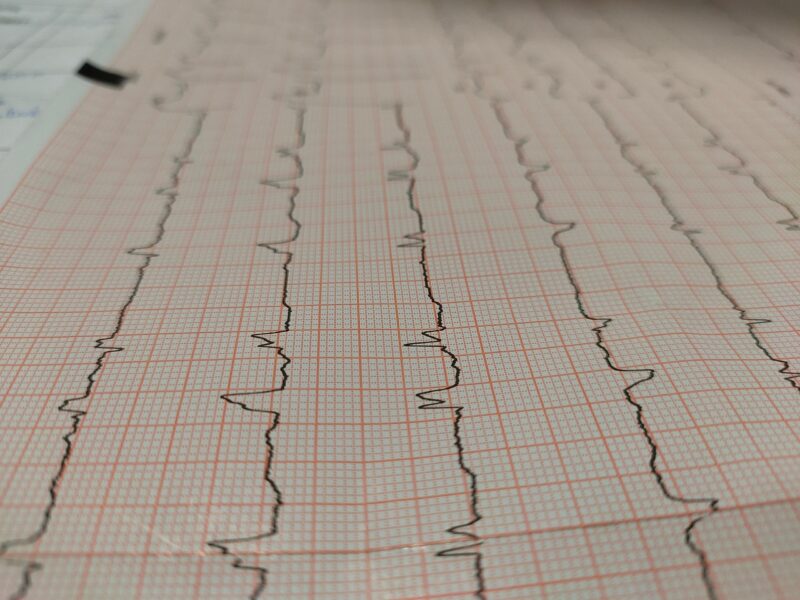
Studies demonstrate that this circuit creates characteristic electrocardiographic findings including negative flutter waves in leads II, III, and aVF (described as “sawtooth” pattern) and positive flutter waves in lead V1. The atrial rate is typically 280-320 beats per minute.
Clockwise Typical Flutter involves the same anatomical circuit but with reverse direction of electrical activation. Research indicates this represents 10-15% of typical flutter cases and produces positive flutter waves in the inferior leads. Both forms utilize the cavotricuspid isthmus as a critical component of the reentrant circuit.
Atypical (Type II) Atrial Flutter
Right Atrial Atypical Flutter involves circuits that do not utilize the cavotricuspid isthmus, instead circulating around other anatomical structures such as surgical scars, areas of fibrosis, or the superior or inferior vena cavae. Studies suggest these forms are more common in patients with previous cardiac surgery or structural heart disease.
Left Atrial Flutter typically occurs around the mitral annulus or pulmonary veins and is often associated with previous catheter ablation procedures for atrial fibrillation. Research indicates that left atrial flutter may be more challenging to treat and has higher recurrence rates compared to typical right atrial flutter.
Classification by Clinical Pattern
| Flutter Type | Circuit Location | Typical Rate | Treatment Success |
|---|---|---|---|
| Counterclockwise typical | Right atrium, cavotricuspid isthmus | 300 bpm | >95% with ablation |
| Clockwise typical | Right atrium, cavotricuspid isthmus | 300 bpm | >95% with ablation |
| Right atrial atypical | Various right atrial circuits | Variable | 70-90% with ablation |
| Left atrial atypical | Left atrium, around mitral valve/PVs | Variable | 60-80% with ablation |
Relationship to Atrial Fibrillation
Studies consistently demonstrate strong associations between atrial flutter and atrial fibrillation. Research indicates that approximately 35-50% of patients with atrial flutter have documented atrial fibrillation at presentation, while an additional 25-30% develop atrial fibrillation during follow-up.
This relationship suggests shared underlying pathophysiology and has important implications for treatment strategies, particularly regarding anticoagulation decisions and ablation approaches.
Symptoms and Clinical Presentation
The clinical presentation of atrial flutter varies considerably among patients, though the organized nature of the arrhythmia often produces more predictable symptoms compared to atrial fibrillation.
Cardiovascular Symptoms
Palpitations represent the most commonly reported symptom, affecting approximately 85-90% of symptomatic patients. Unlike the irregular palpitations of atrial fibrillation, patients with atrial flutter often describe rapid, regular palpitations that may start and stop abruptly.
Research indicates that patients frequently describe their palpitations as “racing heart” or “rapid fluttering” that feels different from normal heart rhythm variations. The regular nature of flutter often makes patients more aware of the arrhythmia compared to other rhythm disorders.
Chest Discomfort occurs in approximately 60-70% of patients during flutter episodes. Studies suggest this results from increased myocardial oxygen demand during rapid ventricular rates, reduced diastolic filling time, and potential coronary perfusion compromise during very fast rates.
Dyspnea and Exercise Intolerance affect 70-80% of symptomatic patients, representing one of the most limiting symptoms. The rapid, regular ventricular response reduces diastolic filling time and stroke volume, compromising cardiac output particularly during physical activity.
Hemodynamic Consequences
The rapid ventricular response characteristic of atrial flutter can produce significant hemodynamic consequences:
2:1 Conduction Pattern: Most commonly, the AV node conducts every second atrial impulse, resulting in ventricular rates around 150 beats per minute. Studies indicate this rate often produces symptoms while remaining hemodynamically tolerable in most patients.
1:1 Conduction: Occasionally, particularly with certain medications or enhanced AV conduction, every atrial impulse conducts to the ventricles, producing ventricular rates of 250-350 beats per minute. Research demonstrates this represents a medical emergency requiring immediate intervention.
Variable Conduction: Some patients demonstrate variable AV conduction (3:1, 4:1, or mixed patterns), producing irregular ventricular rhythms that may be confused with atrial fibrillation.
Neurological and Systemic Symptoms
Dizziness and Presyncope occur in approximately 40-50% of patients, typically related to reduced cardiac output during rapid ventricular response. Studies indicate these symptoms are more common with very fast ventricular rates (>180 bpm) or underlying heart disease.
Syncope is less common but can occur with very rapid ventricular response or underlying heart conditions that limit cardiac reserve. Research suggests syncope during flutter warrants careful evaluation for underlying heart disease.
Fatigue and Weakness represent common symptoms affecting 60-70% of patients, often persisting between episodes due to the chronic nature of the condition and potential development of tachycardia-induced cardiomyopathy.
Patterns of Presentation
Persistent Flutter involves continuous arrhythmia that may last days to weeks if untreated. Studies indicate this pattern is more common than paroxysmal flutter and often requires medical intervention for termination.
Paroxysmal Flutter demonstrates episodes that terminate spontaneously, though this pattern is less common than with other supraventricular arrhythmias. Research suggests paroxysmal flutter often progresses to persistent forms over time.
Flutter with Atrial Fibrillation: Many patients demonstrate alternating periods of organized flutter and disorganized fibrillation, sometimes within the same monitoring period. Studies indicate this pattern has important implications for treatment strategies.
Causes and Risk Factors
Atrial flutter development involves complex interactions between structural heart disease, systemic conditions, and various predisposing factors that create favorable conditions for reentrant circuit formation.
Age and Gender Factors
Advanced Age represents the most significant risk factor, with studies showing exponential increases in flutter incidence after age 60. Age-related changes including atrial fibrosis, conduction system degeneration, and increased susceptibility to other cardiac conditions contribute to flutter development.
Male Predominance is consistently observed, with research indicating a 2.5:1 male-to-female ratio. The mechanisms underlying this gender difference remain unclear but may relate to differences in cardiac structure, hormonal influences, or cardiovascular risk factor patterns.
Cardiovascular Conditions
Heart Failure represents one of the strongest risk factors for atrial flutter development. Studies indicate that heart failure patients have 3-5 fold increased risk of developing flutter through mechanisms including atrial pressure elevation, neurohormonal activation, and structural atrial changes.
The relationship is bidirectional, as rapid ventricular response during flutter can worsen heart failure through rate-related mechanisms and loss of atrioventricular synchrony.
Coronary Artery Disease increases flutter susceptibility through mechanisms including atrial ischemia, ventricular dysfunction affecting atrial pressures, and shared cardiovascular risk factors. Research suggests that acute coronary syndromes may precipitate flutter episodes in susceptible individuals.
Valvular Heart Disease, particularly conditions affecting the tricuspid or mitral valves, increases flutter risk through alterations in atrial pressure and structure. Studies indicate that mitral regurgitation and tricuspid regurgitation are particularly associated with flutter development.
Hypertension contributes to flutter risk through chronic atrial pressure overload leading to atrial enlargement and fibrosis. Research demonstrates that effective blood pressure control may reduce flutter incidence, though the relationship is less well-established than for atrial fibrillation.
Pulmonary Conditions
| Condition | Flutter Risk | Key Mechanisms |
|---|---|---|
| COPD | 3-4 fold increase | Hypoxemia, pulmonary hypertension |
| Pulmonary Embolism | Acute risk | Right heart strain, hypoxemia |
| Sleep Apnea | 2-3 fold increase | Intermittent hypoxemia, pressure changes |
| Pulmonary Hypertension | High risk | Right atrial pressure elevation |
Systemic and Metabolic Factors
Hyperthyroidism significantly increases flutter risk through direct effects on cardiac electrophysiology and increased sensitivity to catecholamines. Studies indicate that even subclinical hyperthyroidism may predispose to flutter development.
Diabetes Mellitus contributes to flutter risk through multiple mechanisms including diabetic cardiomyopathy, autonomic neuropathy, and accelerated cardiovascular disease. Research suggests the relationship may be stronger for flutter than fibrillation in some populations.
Alcohol Consumption demonstrates complex relationships with flutter. While acute alcohol intoxication may precipitate episodes, chronic heavy consumption increases risk through direct atrial toxicity and cardiomyopathy development.
Iatrogenic and Post-Procedural Causes
Cardiac Surgery represents a major risk factor, with studies indicating flutter incidence of 5-15% following various cardiac procedures. Post-surgical flutter often involves circuits around surgical scars or cannulation sites, making treatment more challenging.
Previous Atrial Fibrillation Ablation may increase flutter risk through creation of linear ablation lesions that can serve as anatomical barriers for reentrant circuits. Research indicates that post-ablation flutter occurs in 5-25% of patients following pulmonary vein isolation procedures.
Pacemaker Implantation and other cardiac interventions may occasionally precipitate flutter through mechanical irritation or alteration of atrial architecture.
Genetic and Familial Factors
While less well-studied than for atrial fibrillation, research suggests that family history may contribute to flutter susceptibility. Studies indicate shared genetic variants may predispose to various atrial arrhythmias including both flutter and fibrillation.
Contemporary research continues investigating genetic factors that may distinguish flutter susceptibility from other atrial arrhythmias, though clinical genetic testing is not currently recommended for flutter patients.
Diagnosis and Testing
Accurate diagnosis of atrial flutter requires demonstration of characteristic electrical patterns and differentiation from other rapid atrial arrhythmias. Modern diagnostic approaches combine electrocardiography with various monitoring techniques to capture and characterize flutter episodes.
Electrocardiographic Features
The 12-lead electrocardiogram during flutter episodes demonstrates characteristic findings that enable definitive diagnosis:
Flutter Waves represent the hallmark finding, appearing as regular, organized atrial activity typically at rates of 250-350 beats per minute. In typical counterclockwise flutter, these appear as negative deflections in leads II, III, and aVF, creating the classic “sawtooth” appearance.
AV Conduction Patterns typically demonstrate 2:1 conduction (every second flutter wave conducts to ventricles), though variable patterns including 3:1, 4:1, or mixed ratios may occur. Studies indicate that AV blocking agents may unmask flutter waves by increasing the conduction ratio.
QRS Morphology usually remains narrow unless pre-existing conduction abnormalities or rate-related aberrancy occur. Research demonstrates that wide QRS complexes during flutter should prompt evaluation for underlying conduction disease or very rapid rates.
Differentiation from Other Arrhythmias
Atrial Flutter vs. Atrial Fibrillation:
| Feature | Atrial Flutter | Atrial Fibrillation |
|---|---|---|
| Atrial activity | Regular, organized | Irregular, chaotic |
| Atrial rate | 250-350 bpm | 350-600 bpm |
| Ventricular rhythm | Regular (with fixed conduction) | Irregularly irregular |
| Flutter waves | Clearly visible | Absent |
| Response to vagal maneuvers | May increase AV block | Usually no effect |
Atrial Flutter vs. SVT: Supraventricular tachycardia typically demonstrates rates of 150-220 bpm with 1:1 conduction and no visible flutter waves, helping distinguish from flutter with 2:1 conduction.
Ambulatory Monitoring
Holter Monitoring provides continuous 24-48 hour recording valuable for documenting flutter burden, assessing heart rate patterns, and correlating symptoms with rhythm changes. Studies indicate particular utility for patients with suspected paroxysmal flutter.
Event Monitors enable longer-term monitoring for patients with infrequent symptoms, achieving higher diagnostic yields than shorter monitoring periods. Research demonstrates that patient-activated monitors can successfully capture flutter episodes for patients who recognize symptom onset.
Implantable Monitors may be considered for patients with unexplained syncope or highly symptomatic episodes not captured with external monitoring. Studies suggest these devices can provide definitive rhythm correlation with symptoms over extended periods.
Electrophysiology Studies
Diagnostic EP Studies provide definitive characterization of flutter circuits, particularly valuable for patients being considered for catheter ablation. These studies enable precise mapping of reentrant circuits and identification of critical anatomical structures.
Entrainment Mapping represents a specialized technique used during EP studies to confirm circuit locations and identify optimal ablation targets. Research demonstrates that entrainment mapping significantly improves ablation success rates for complex flutter circuits.
Additional Testing
Echocardiography should be performed in all flutter patients to assess cardiac structure, function, and identify underlying conditions that may predispose to flutter development or affect treatment strategies.
Thyroid Function Testing is essential given the strong association between hyperthyroidism and flutter development. Studies indicate that thyroid disorders may be more commonly associated with flutter than fibrillation in some populations.
Exercise Testing may be valuable for patients with exercise-related symptoms or to assess chronotropic response during flutter. Research suggests that exercise testing can help differentiate flutter from other causes of exercise intolerance.
Treatment Strategies
Atrial flutter management involves acute episode termination, long-term rhythm or rate control, and stroke prevention. Treatment decisions depend on patient symptoms, hemodynamic stability, underlying heart disease, and individual preferences.
Acute Management
Hemodynamic Assessment represents the critical first step in flutter management. Patients with hemodynamic instability, chest pain, or severe symptoms require immediate intervention, while stable patients allow time for more detailed evaluation and planning.
Electrical Cardioversion provides the most reliable method for acute flutter termination, with success rates exceeding 95% when performed appropriately. Studies indicate that flutter typically responds to lower energy levels (25-50 joules) compared to atrial fibrillation.
Research demonstrates that synchronized cardioversion should be considered first-line treatment for patients with hemodynamic compromise, severe symptoms, or when rapid rhythm control is desired.
Pharmacological Cardioversion may be attempted in hemodynamically stable patients, though success rates are generally lower than electrical methods. Studies suggest that ibutilide may be effective for flutter termination, though it carries risks including proarrhythmia and requires cardiac monitoring.
Rate Control Strategies
For patients in whom rhythm control is not immediately feasible or desired, rate control represents an important management approach:
AV Node Blocking Agents:
| Medication Class | Mechanism | Advantages | Considerations |
|---|---|---|---|
| Beta-blockers | Beta-adrenergic blockade | Effective rate control, CV benefits | May worsen heart failure in some patients |
| Calcium channel blockers | L-type calcium blockade | Good rate control | Negative inotropic effects |
| Digoxin | Na-K ATPase inhibition | Useful in heart failure | Less effective during exercise |
Rate Control Targets: Studies suggest that lenient rate control (resting HR <110 bpm) may be sufficient for many flutter patients, similar to atrial fibrillation management. However, the regular rhythm of flutter may make patients more symptomatic at higher rates compared to fibrillation.
Rhythm Control Approaches
Antiarrhythmic Medications for flutter prevention demonstrate variable efficacy and require careful selection based on underlying heart disease and patient factors:
Class IC Agents (flecainide, propafenone) may be effective for flutter prevention in patients with structurally normal hearts. Studies indicate these medications can prevent flutter recurrence but may occasionally organize atrial fibrillation into flutter.
Class III Agents (sotalol, dofetilide, amiodarone) can be used in patients with structural heart disease. Research demonstrates that amiodarone may be particularly effective for flutter prevention but carries significant long-term toxicity risks.
Caution with Antiarrhythmic Drugs: Studies emphasize that certain antiarrhythmic medications may paradoxically facilitate 1:1 AV conduction during flutter by slowing the flutter rate while enhancing AV conduction, potentially creating dangerous ventricular rates.
Long-term Management Considerations
Flutter-Fibrillation Relationship: Given the high likelihood of developing atrial fibrillation, many patients require long-term management strategies that address both rhythm disorders. Research suggests that successful flutter ablation may reduce but not eliminate atrial fibrillation risk.
Quality of Life Considerations: Studies indicate that flutter patients often experience significant symptom burden that may be more predictable but equally limiting compared to atrial fibrillation. Treatment decisions should consider individual impact on daily activities and patient preferences.
Stroke Risk and Anticoagulation
Atrial flutter carries significant thromboembolic risk similar to atrial fibrillation, making stroke prevention a critical component of management regardless of rhythm control success.
Stroke Risk Assessment
Research demonstrates that flutter patients have stroke rates similar to atrial fibrillation patients with comparable risk factors. Studies indicate annual stroke rates of 1-7% depending on patient characteristics, emphasizing the need for systematic risk assessment.
CHA2DS2-VASc Score Application: The same risk stratification tool used for atrial fibrillation applies to flutter patients:
| Risk Factor | Points | Annual Stroke Risk Impact |
|---|---|---|
| Heart failure | 1 | Significant increase |
| Hypertension | 1 | Moderate increase |
| Age ≥75 | 2 | Major increase |
| Diabetes | 1 | Moderate increase |
| Prior stroke/TIA | 2 | Major increase |
| Vascular disease | 1 | Moderate increase |
| Age 65-74 | 1 | Mild increase |
| Female sex | 1 | Mild increase |
Studies validate that patients with CHA2DS2-VASc scores ≥2 (men) or ≥3 (women) benefit from anticoagulation regardless of whether flutter episodes are successfully controlled.
Anticoagulation Strategies
Direct Oral Anticoagulants (DOACs) represent first-line therapy for most flutter patients requiring anticoagulation. Research indicates similar efficacy and safety profiles compared to atrial fibrillation patients.
The choice among available DOACs (dabigatran, rivaroxaban, apixaban, edoxaban) should consider patient-specific factors including kidney function, drug interactions, and bleeding risk.
Warfarin Therapy remains appropriate for patients with mechanical heart valves, severe kidney disease, or other specific indications. Studies emphasize the importance of maintaining therapeutic INR ranges (2.0-3.0) for optimal stroke prevention.
Perioperative Anticoagulation
Cardioversion Anticoagulation: Patients undergoing elective cardioversion require anticoagulation similar to atrial fibrillation protocols. Research indicates that 3-4 weeks of therapeutic anticoagulation before cardioversion or transesophageal echocardiography to exclude atrial clots, followed by 4+ weeks post-cardioversion anticoagulation.
Ablation Anticoagulation: Studies suggest that uninterrupted anticoagulation during flutter ablation procedures may be safer than bridging strategies, reducing both thrombotic and bleeding complications.
Special Considerations
Flutter Duration and Risk: Unlike some other arrhythmias, studies indicate that stroke risk in flutter is not clearly duration-dependent, emphasizing the need for anticoagulation based on patient risk factors rather than flutter patterns.
Post-Ablation Decisions: Research demonstrates that successful flutter ablation does not eliminate stroke risk in patients with high CHA2DS2-VASc scores, as these patients often develop atrial fibrillation and maintain underlying thromboembolic risk factors.
Catheter Ablation
Catheter ablation represents the most definitive treatment for atrial flutter, offering cure rates exceeding 95% for typical flutter forms. Contemporary ablation techniques have made this a first-line therapy for many patients.
Ablation Strategies by Flutter Type
Typical Flutter Ablation: The procedure involves creating a line of electrical block across the cavotricuspid isthmus, the narrow region between the tricuspid annulus and inferior vena cava that represents the critical component of typical flutter circuits.
Studies demonstrate that successful cavotricuspid isthmus ablation eliminates typical flutter with success rates of 95-98% and very low recurrence rates (<5% at one year). The procedure typically requires 1-2 hours and can often be performed with conscious sedation.
Atypical Flutter Ablation: These procedures are more complex, requiring detailed electroanatomical mapping to identify specific circuit locations and critical isthmuses. Research indicates success rates of 70-90% depending on circuit complexity and underlying substrate.
Left atrial flutter ablation may be particularly challenging, especially in patients with previous atrial fibrillation ablation procedures. Studies suggest these cases may require multiple procedures for optimal outcomes.
Procedural Techniques
Electroanatomical Mapping creates detailed three-dimensional representations of atrial anatomy and electrical activation patterns. Research demonstrates that high-resolution mapping significantly improves success rates for complex flutter circuits.
Entrainment Mapping confirms circuit locations and identifies optimal ablation sites by demonstrating electrical capture and entrainment of the reentrant circuit from various atrial locations.
Ablation Technology: Contemporary procedures utilize irrigated-tip radiofrequency catheters with contact force sensing to optimize lesion formation. Studies indicate that adequate contact force (10-20 grams) and appropriate power delivery are crucial for creating transmural, permanent lesions.
Patient Selection
Ideal Candidates for flutter ablation include:
- Symptomatic flutter refractory to or intolerant of medications
- Patients preferring definitive treatment over chronic medication
- Young patients with isolated flutter
- Patients with tachycardia-induced cardiomyopathy
Challenging Cases may include:
- Patients with significant comorbidities increasing procedural risk
- Complex atypical flutter circuits
- Patients with severe left atrial enlargement or extensive fibrosis
Procedural Outcomes and Complications
Success Rates vary by flutter type:
- Typical flutter: 95-98% success, <5% recurrence
- Right atrial atypical flutter: 80-90% success
- Left atrial flutter: 70-85% success
Major Complications occur in <1% of procedures and may include:
- Cardiac tamponade
- Stroke or systemic embolization
- AV block requiring pacemaker implantation
- Vascular access complications
Minor Complications are more common (2-5%) and include:
- Transient heart block
- Pericardial pain
- Access site bleeding or hematoma
Post-Ablation Management
Immediate Follow-up involves monitoring for complications and assessing rhythm status. Studies suggest that most patients can be discharged the same day or after overnight observation.
Long-term Follow-up should include rhythm monitoring to confirm procedural success and surveillance for atrial fibrillation development. Research indicates that 20-30% of flutter patients may develop atrial fibrillation following successful flutter ablation.
Anticoagulation Decisions: Successful flutter ablation does not automatically eliminate the need for anticoagulation in patients with elevated stroke risk factors. Studies emphasize that anticoagulation decisions should be based on CHA2DS2-VASc scores rather than ablation success.
Living with Atrial Flutter
Successfully managing atrial flutter requires developing effective strategies for medication adherence, symptom recognition, lifestyle modifications, and ongoing healthcare coordination.
Daily Management Strategies
Symptom Recognition: Patients should learn to identify flutter episodes and understand when symptoms require medical attention. Studies indicate that the regular, rapid palpitations of flutter are often more noticeable to patients than irregular rhythms, enabling better self-monitoring.
Medication Adherence: For patients on rate control medications or anticoagulation, consistent adherence is crucial for optimal outcomes. Research demonstrates that medication non-adherence significantly increases risks of complications and symptom recurrence.
Activity Modification: Most flutter patients can maintain active lifestyles with appropriate modifications. Studies suggest that regular moderate exercise may be beneficial, though individual exercise tolerance varies significantly based on ventricular response rates and underlying heart condition.
Emergency Preparedness
When to Seek Immediate Care:
- Very rapid heart rates with chest pain or severe shortness of breath
- Fainting or near-fainting episodes
- New or significantly different symptoms
- Signs of heart failure (swelling, severe fatigue, breathing difficulties)
Home Monitoring: Some patients may benefit from home heart rate monitoring or portable ECG devices to document episodes and provide information to healthcare providers. Research indicates that patient-recorded rhythm strips can be valuable for treatment optimization.
Quality of Life Considerations
Work and Activities: Studies indicate that most patients with well-controlled flutter can continue usual work and recreational activities. Some occupations with safety implications may require individual assessment and potential restrictions.
Travel Considerations: Flutter patients can generally travel safely with appropriate planning, including maintaining medication schedules, staying hydrated, and having emergency contact information readily available.
Psychological Support: Living with a chronic arrhythmia can create anxiety and stress. Research suggests that patient education, support groups, and sometimes professional counseling can improve quality of life and treatment adherence.
Long-term Health Monitoring
Regular Follow-up: Studies emphasize the importance of ongoing cardiology care to monitor treatment effectiveness, assess for complications, and adjust management strategies as needed.
Screening for Atrial Fibrillation: Given the high likelihood of developing atrial fibrillation, patients should undergo periodic monitoring even after successful flutter treatment. Research indicates that extended rhythm monitoring may detect asymptomatic atrial fibrillation episodes.
Cardiovascular Risk Management: Comprehensive care should address all cardiovascular risk factors, not just the arrhythmia itself. Studies demonstrate that optimal blood pressure control, diabetes management, and lifestyle modifications improve overall outcomes.
Prevention and Lifestyle Management
While not all atrial flutter can be prevented, substantial evidence supports lifestyle modifications and risk factor management for reducing flutter risk and improving outcomes in patients with established disease.
Cardiovascular Risk Factor Management
Blood Pressure Optimization: Effective hypertension management may reduce flutter risk through decreased atrial pressure overload. Research suggests that maintaining systolic blood pressure below 130 mmHg may provide optimal cardiovascular benefits.
Heart Failure Management: For patients with underlying heart failure, optimal medical therapy including ACE inhibitors, beta-blockers, and diuretics as appropriate can reduce flutter recurrence risk. Studies indicate that improved heart failure management often reduces arrhythmia burden.
Thyroid Function Monitoring: Regular thyroid function testing and prompt treatment of thyroid disorders are essential, particularly given the strong association between hyperthyroidism and flutter. Research emphasizes that even subclinical thyroid dysfunction may contribute to arrhythmia risk.
Lifestyle Modifications
Weight Management: Obesity contributes to multiple cardiovascular risk factors and may increase flutter risk. Studies suggest that sustainable weight loss through dietary modification and regular exercise can improve overall cardiovascular health.
Exercise Programs: Regular moderate-intensity exercise generally provides cardiovascular benefits and may help reduce flutter recurrence in some patients. Research indicates that structured exercise programs can improve heart rate response and overall fitness in flutter patients.
Sleep Optimization: Sleep disorders, particularly sleep apnea, may contribute to flutter development and recurrence. Studies indicate that effective sleep apnea treatment with CPAP therapy may reduce arrhythmia burden in susceptible patients.
Substance Use Considerations
Alcohol Moderation: Heavy alcohol consumption increases flutter risk through multiple mechanisms. Research suggests that moderation rather than complete abstinence is typically recommended, though individual tolerance varies significantly.
Stimulant Avoidance: Caffeine, nicotine, and other stimulants may trigger flutter episodes in susceptible individuals. Studies indicate that individual assessment of tolerance is more valuable than universal restrictions.
Medication Review: Regular review of all medications, including over-the-counter preparations, can help identify potential flutter triggers or medications that might affect treatment effectiveness.
Stress Management
Stress Reduction Techniques: Psychological stress may trigger flutter episodes in some patients. Research suggests that stress management techniques including meditation, deep breathing exercises, yoga, and regular relaxation practices may help reduce episode frequency.
Work-Life Balance: Chronic stress and excessive work demands may contribute to flutter development and recurrence. Studies indicate that maintaining appropriate work-life balance and managing job-related stress can be beneficial for overall cardiovascular health.
Environmental Factors
Temperature Extremes: Some patients report flutter episodes triggered by exposure to very hot or cold temperatures. Research suggests that gradual temperature changes and appropriate clothing can help minimize these triggers.
Air Travel: Changes in cabin pressure and dehydration during air travel may occasionally trigger flutter episodes. Studies indicate that maintaining hydration and moving regularly during long flights can reduce risk.
Frequently Asked Questions
Q: What is the difference between atrial flutter and atrial fibrillation?
A: Atrial flutter involves organized, regular electrical activity in the atria at rates of 250-350 beats per minute, creating a characteristic “sawtooth” pattern on ECG. Atrial fibrillation involves chaotic, disorganized electrical activity at higher rates (350-600 bpm) with an irregularly irregular ventricular rhythm. Studies indicate that many patients develop both conditions, and flutter often progresses to fibrillation if left untreated.
The organized nature of flutter makes it more amenable to catheter ablation with higher success rates (>95%) compared to fibrillation. However, both conditions carry similar stroke risks and require similar anticoagulation approaches.
Q: Is atrial flutter dangerous?
A: Atrial flutter carries significant health risks, particularly stroke risk similar to atrial fibrillation. Studies demonstrate that flutter patients have annual stroke rates of 1-7% depending on risk factors. The rapid ventricular response can also compromise cardiac output and potentially lead to heart failure if prolonged.
However, with appropriate treatment including anticoagulation for stroke prevention and rate or rhythm control for symptoms, most patients can maintain good quality of life. The key is proper diagnosis, risk assessment, and adherence to treatment recommendations.
Q: Can atrial flutter be cured?
A: Yes, typical atrial flutter can often be cured with catheter ablation procedures. Research demonstrates cure rates exceeding 95% for typical flutter, with very low recurrence rates. The procedure involves creating a line of electrical block across the cavotricuspid isthmus, permanently eliminating the reentrant circuit.
However, studies indicate that 20-30% of patients may develop atrial fibrillation after successful flutter ablation. Additionally, patients with high stroke risk factors typically still require long-term anticoagulation even after successful ablation.
Q: Will I need blood thinners after flutter ablation?
A: Anticoagulation decisions after flutter ablation depend on your stroke risk factors rather than ablation success. Studies demonstrate that patients with CHA2DS2-VASc scores ≥2 (men) or ≥3 (women) should continue anticoagulation even after successful ablation, as they often develop atrial fibrillation and maintain underlying stroke risk factors.
Your healthcare provider will assess your individual stroke and bleeding risks to determine optimal long-term anticoagulation strategy through shared decision-making.
Q: Can I exercise with atrial flutter?
A: Most patients with well-controlled flutter can participate in regular exercise with appropriate medical guidance. Studies suggest that moderate exercise generally provides cardiovascular benefits and may help reduce flutter recurrence.
However, exercise recommendations should be individualized based on your ventricular response rates during flutter, symptoms, underlying heart condition, and treatment response. Some patients may need to avoid very intense exercise if it triggers episodes or causes excessively rapid heart rates.
Q: How is flutter different from other rapid heart rhythms?
A: Flutter is distinguished from other rapid rhythms by its organized, regular pattern and characteristic ECG appearance. Unlike supraventricular tachycardia (SVT), which typically has 1:1 conduction and rates of 150-220 bpm, flutter usually demonstrates 2:1 conduction with atrial rates around 300 bpm.
The regular nature of flutter often makes patients more symptomatic at similar heart rates compared to other arrhythmias. Studies indicate that flutter’s predictable pattern also makes it more responsive to certain treatments like electrical cardioversion and catheter ablation.
Q: What triggers atrial flutter episodes?
A: Common triggers include stress, caffeine, alcohol, dehydration, lack of sleep, and certain medications. However, studies suggest that trigger sensitivity varies significantly among individuals. Some patients have identifiable triggers while others experience episodes without apparent precipitants.
Research indicates that underlying heart disease, thyroid disorders, and pulmonary conditions are more important predisposing factors than specific triggers. Working with your healthcare provider to identify and manage your personal triggers can be helpful for episode prevention.
Q: How long do flutter episodes typically last?
A: Unlike some other arrhythmias that may terminate spontaneously, flutter episodes often persist until medical intervention occurs. Studies indicate that flutter typically demonstrates sustained episodes lasting hours to days rather than brief paroxysmal episodes.
This persistent nature is why flutter often requires active treatment for termination, either through electrical cardioversion, medications, or rate control measures. Some patients may experience shorter episodes, but sustained flutter is more common and characteristic of this arrhythmia.
Medical Disclaimer: This comprehensive guide is provided for educational and informational purposes only and is not intended as a substitute for professional medical advice, diagnosis, or treatment. Always seek the advice of qualified healthcare providers regarding any medical condition or treatment decisions. Never disregard professional medical advice or delay seeking treatment because of information found in this article.
The information presented here represents current medical understanding based on available scientific evidence and may not reflect the most recent research developments. Individual cases may vary significantly, and treatment approaches should always be personalized under professional medical supervision. If you have a medical emergency, contact your local emergency services immediately.
Patients should not make changes to their medications, treatments, or activity levels based solely on information in this article without consulting their healthcare providers. The management of atrial flutter requires individualized assessment that considers multiple factors including specific arrhythmia characteristics, stroke and bleeding risks, underlying health conditions, and patient-specific factors.
Sources and References
- Granada, J., Uribe, W., Chyou, P. H., Maassen, K., Vierkant, R., Smith, P. N., … & Vidaillet, H. (2000). Incidence and predictors of atrial flutter in the general population. Journal of the American College of Cardiology, 36(7), 2242-2246.
- Saoudi, N., Cosío, F., Waldo, A., Chen, S. A., Iesaka, Y., Lesh, M., … & Wellens, H. J. (2001). A classification of atrial flutter and regular atrial tachycardia according to electrophysiological mechanisms and anatomical bases. European Heart Journal, 22(14), 1162-1182.
- Pérez, F. J., Schubert, C. M., Parvez, B., Pathak, V., Ellenbogen, K. A., & Wood, M. A. (2009). Long-term outcomes after catheter ablation of cavo-tricuspid isthmus dependent atrial flutter. Circulation: Arrhythmia and Electrophysiology, 2(4), 393-401.
- Natale, A., Newby, K. H., Pisanó, E., Leonelli, F., Fanelli, R., Potenza, D., … & Tomassoni, G. (2000). Prospective randomized comparison of antiarrhythmic therapy versus first-line radiofrequency ablation in patients with atrial flutter. Journal of the American College of Cardiology, 35(7), 1898-1904.
- Blomström-Lundqvist, C., Scheinman, M. M., Aliot, E. M., Alpert, J. S., Calkins, H., Camm, A. J., … & Zupan, I. (2003). ACC/AHA/ESC guidelines for the management of patients with supraventricular arrhythmias. Journal of the American College of Cardiology, 42(8), 1493-1531.
- Wood, K. A., Drew, B. J., & Scheinman, M. M. (1997). Frequency of disabling symptoms in supraventricular tachycardia. The American Journal of Cardiology, 79(2), 145-149.
- Chinitz, J. S., Gerstenfeld, E. P., Marchlinski, F. E., & Callans, D. J. (2006). Atrial fibrillation is common after ablation of isolated atrial flutter during long-term follow-up. Heart Rhythm, 4(8), 1029-1033.
- Da Costa, A., Thévenin, J., Roche, F., Romeyer-Bouchard, C., Abdellaoui, L., Messier, M., … & Isaaz, K. (2006). Results from the Loire-Ardèche-Drôme-Isère-Puy-de-Dôme (LADIP) trial on atrial flutter, a multicentric prospective randomized study comparing amiodarone and radiofrequency ablation after the first episode of symptomatic atrial flutter. Circulation, 114(16), 1676-1681.
- Schmieder, S., Ndrepepa, G., Dong, J., Zrenner, B., Schreieck, J., Schneider, M. A., … & Schmitt, C. (2002). Acute and long-term results of radiofrequency ablation of common atrial flutter and the influence of the right atrial isthmus anatomy. Journal of Cardiovascular Electrophysiology, 13(12), 1239-1244.
- Waldo, A. L. (2002). Treatment of atrial flutter. Heart, 88(1), 15-21
- American Heart Association Guidelines on Supraventricular Arrhythmias
- European Society of Cardiology Guidelines for Arrhythmia Management
- Journal of the American College of Cardiology publications on atrial tachycardia
- Heart Rhythm Society clinical recommendations
- New England Journal of Medicine cardiovascular research
Author: MSc Marcin Goras – Master of Public Health, Specialization in Emergency Medical Services