Medical Disclaimer: This comprehensive guide is provided for educational and informational purposes only and is not intended as a substitute for professional medical advice, diagnosis, or treatment. Always seek the advice of qualified healthcare providers regarding any medical condition or treatment decisions. Never disregard professional medical advice or delay seeking treatment because of information found in this article.
Author: MSc Marcin Goras – Master of Public Health, Specialization in Emergency Medical Services
Published: August 21, 2025
Last Updated: August 21, 2025
Reading Time: 12-15 minutes
Introduction to Supraventricular Tachycardia
Supraventricular tachycardia, commonly abbreviated as SVT, represents a group of heart rhythm disorders characterized by abnormally rapid heartbeats originating from electrical circuits above the heart’s ventricles. Medical research indicates that SVT affects approximately 2.25 per 1,000 people, making it one of the most common cardiac arrhythmias encountered in clinical practice.
The term “supraventricular” literally means “above the ventricles,” referring to the anatomical origin of these arrhythmias in the atria or atrioventricular junction. Studies suggest that SVT episodes typically involve heart rates ranging from 150 to 250 beats per minute, significantly faster than the normal resting heart rate of 60 to 100 beats per minute.
What distinguishes SVT from other rapid heart rhythms is its characteristic sudden onset and termination. Patients often describe episodes that begin abruptly, sometimes without warning, and may end just as suddenly. This paroxysmal nature has led to the term “paroxysmal supraventricular tachycardia” (PSVT) being used interchangeably with SVT in many clinical contexts.
Recent epidemiological data demonstrates that SVT can affect individuals across all age groups, though certain subtypes show age-related patterns. Research indicates that the condition is more commonly diagnosed in women than men, with a female-to-male ratio of approximately 2:1. This gender distribution has prompted investigations into hormonal influences on cardiac electrophysiology, though the exact mechanisms remain under study.
The clinical significance of SVT extends beyond the immediate discomfort of rapid heartbeats. While many episodes are well-tolerated and resolve spontaneously, some patients experience significant symptoms that can impact quality of life and daily functioning. Understanding the various aspects of this condition enables patients to work effectively with their healthcare providers to develop appropriate management strategies.
Understanding the Heart’s Electrical System
To comprehend how supraventricular tachycardia develops, patients benefit from understanding the heart’s intricate electrical conduction system. The normal heart functions as a sophisticated biological pacemaker, generating and conducting electrical impulses in a precisely coordinated sequence that ensures efficient blood pumping.
The heart’s electrical activity begins in the sinoatrial (SA) node, a specialized cluster of cells located in the right atrium. Under normal circumstances, the SA node generates electrical impulses at a regular rate, typically 60 to 100 times per minute in healthy adults. These impulses spread through the atrial muscle tissue, causing the atria to contract and push blood into the ventricles.
The electrical signal then reaches the atrioventricular (AV) node, positioned between the atria and ventricles. The AV node serves a critical function by introducing a brief delay in electrical conduction, allowing the ventricles to fill completely with blood before they contract. This delay typically lasts 0.12 to 0.20 seconds and is essential for optimal cardiac output.
From the AV node, the electrical impulse travels through the His-Purkinje system, a specialized network of conduction fibers that rapidly distributes the signal throughout both ventricles. This system ensures that ventricular contraction occurs in a synchronized manner, maximizing the heart’s pumping efficiency.
Normal vs. Abnormal Electrical Pathways
| Normal Conduction | SVT Conduction |
|---|---|
| SA node initiates impulse | Abnormal circuit creates rapid impulses |
| Regular rate 60-100 bpm | Rapid rate 150-250 bpm |
| Single pathway to ventricles | Re-entrant circuits or ectopic foci |
| Predictable timing | Sudden onset and termination |
In supraventricular tachycardia, this normal electrical sequence becomes disrupted. Research has identified several mechanisms that can lead to SVT development. The most common mechanism involves re-entrant circuits, where electrical impulses travel in circular pathways rather than following the normal top-to-bottom sequence. These circuits can form when there are multiple electrical pathways or when normal conduction is altered by various factors.
Another mechanism involves increased automaticity, where cells outside the SA node begin generating electrical impulses at abnormally rapid rates. Studies indicate that these ectopic pacemakers can override the normal SA node activity, leading to sustained episodes of rapid heart rhythm.
The third mechanism, triggered activity, occurs when abnormal electrical impulses are generated in response to previous heartbeats. This phenomenon can create self-perpetuating cycles of rapid heart rhythm that characterize certain forms of SVT.
Types of Supraventricular Tachycardia
Medical literature classifies supraventricular tachycardia into several distinct subtypes based on the anatomical location and mechanism of the arrhythmia. Understanding these different types helps patients and healthcare providers develop targeted treatment approaches.
Atrioventricular Nodal Reentrant Tachycardia (AVNRT)
Atrioventricular nodal reentrant tachycardia represents the most common form of SVT, accounting for approximately 50-60% of all cases according to electrophysiological studies. AVNRT occurs when there are two distinct electrical pathways within or near the AV node that have different conduction properties.
Under normal circumstances, electrical impulses travel down one pathway (typically the fast pathway) to activate the ventricles. In AVNRT, a premature beat can block conduction down the fast pathway while traveling down the slow pathway. When the impulse reaches the bottom of the slow pathway, it can then travel back up the fast pathway, creating a circular electrical circuit.
Research indicates that AVNRT episodes typically produce heart rates between 150 and 220 beats per minute. The arrhythmia often begins suddenly, sometimes triggered by premature atrial or ventricular contractions. Studies suggest that emotional stress, caffeine consumption, or physical exertion may precipitate episodes in susceptible individuals.
The clinical presentation of AVNRT often includes a sensation of rapid, regular palpitations that start and stop abruptly. Many patients report feeling their heart “flip” or experiencing a sudden awareness of their heartbeat at the onset of episodes. The regularity of the rhythm distinguishes AVNRT from other arrhythmias such as atrial fibrillation.
Atrioventricular Reentrant Tachycardia (AVRT)
Atrioventricular reentrant tachycardia involves an additional electrical pathway, called an accessory pathway, that connects the atria and ventricles outside the normal AV node. This condition is associated with Wolff-Parkinson-White (WPW) syndrome when the accessory pathway is capable of conducting electrical impulses in both directions.
Studies indicate that AVRT accounts for approximately 25-30% of SVT cases. The presence of an accessory pathway creates the potential for re-entrant circuits that can involve either orthodromic conduction (down the AV node and up the accessory pathway) or antidromic conduction (down the accessory pathway and up the AV node).
Orthodromic AVRT is more common and typically produces narrow QRS complexes on electrocardiogram, similar to AVNRT. Antidromic AVRT is less frequent but produces wide QRS complexes that can sometimes be confused with ventricular tachycardia, making accurate diagnosis crucial for appropriate treatment.
The clinical characteristics of AVRT are similar to AVNRT, with patients experiencing sudden onset and termination of rapid, regular palpitations. However, patients with WPW syndrome may have additional considerations regarding certain medications and treatment approaches that require specialized electrophysiological evaluation.
Atrial Tachycardia
Atrial tachycardia represents a heterogeneous group of arrhythmias originating from ectopic foci within the atrial tissue. Unlike AVNRT and AVRT, which involve re-entrant mechanisms, atrial tachycardia typically results from enhanced automaticity or triggered activity in abnormal atrial pacemaker sites.
Research suggests that atrial tachycardia accounts for approximately 10-15% of SVT cases. The arrhythmia can be either focal (originating from a specific anatomical location) or multifocal (arising from multiple sites within the atria). Focal atrial tachycardia often demonstrates characteristic “warm-up” and “cool-down” periods, where the heart rate gradually accelerates at the beginning and decelerates at the end of episodes.
Multifocal atrial tachycardia (MAT) deserves special mention as it typically occurs in patients with underlying lung disease or electrolyte abnormalities. Studies indicate that MAT is characterized by irregular rhythm and varying P-wave morphology on electrocardiogram, distinguishing it from other forms of SVT.
The clinical presentation of atrial tachycardia can vary depending on the specific subtype and underlying conditions. Some patients experience gradual onset of symptoms, while others may have abrupt episodes similar to AVNRT or AVRT. The presence of underlying heart or lung disease may influence symptom severity and treatment approaches.
Inappropriate Sinus Tachycardia
Inappropriate sinus tachycardia represents a distinct entity where the normal sinus node generates electrical impulses at inappropriately rapid rates in response to minimal physiological demands. Studies suggest that this condition primarily affects young adults, particularly women, and may be related to autonomic nervous system dysfunction.
The diagnosis of inappropriate sinus tachycardia requires demonstration of persistent sinus tachycardia (heart rate > 100 bpm at rest or > 90 bpm on average over 24 hours) in the absence of identifiable physiological triggers. Research indicates that patients often experience gradual onset of symptoms rather than the sudden episodes characteristic of other SVT types.
Treatment approaches for inappropriate sinus tachycardia differ from other forms of SVT and may focus on heart rate control rather than rhythm termination. The condition can significantly impact quality of life due to persistent symptoms, making accurate diagnosis and appropriate management essential for optimal outcomes.
Symptoms and Clinical Presentation
The clinical presentation of supraventricular tachycardia varies considerably among patients, reflecting differences in arrhythmia characteristics, underlying cardiac function, and individual susceptibility to rapid heart rates. Understanding the spectrum of possible symptoms helps patients recognize when medical evaluation may be warranted and enables more effective communication with healthcare providers.
Cardiovascular Symptoms
The most commonly reported symptom of SVT is palpitations, described by patients using various terms including “racing heart,” “fluttering,” “pounding,” or “heart skipping.” Research indicates that approximately 95% of patients with SVT experience palpitations during episodes, making this the hallmark symptom of the condition.
Studies suggest that the character of palpitations in SVT differs from those associated with other arrhythmias. Patients typically describe sudden onset of rapid, regular heartbeats that may last anywhere from seconds to hours. The abrupt nature of onset and termination often distinguishes SVT from gradual increases in heart rate associated with anxiety or physical exertion.
Chest discomfort represents another common cardiovascular symptom, reported by approximately 40-60% of patients during SVT episodes. The discomfort may manifest as chest tightness, pressure, or pain, and can sometimes be concerning enough to prompt emergency medical evaluation. Research indicates that chest symptoms during SVT typically result from increased myocardial oxygen demand during rapid heart rates rather than coronary artery disease.
Shortness of breath occurs in approximately 50-70% of patients during SVT episodes, according to clinical studies. The dyspnea may result from reduced ventricular filling time during rapid heart rates, leading to decreased cardiac output and compensatory respiratory changes. Some patients report feeling unable to catch their breath or experiencing a sensation of air hunger during episodes.
Neurological and Systemic Symptoms
The brain’s high metabolic demand and dependence on continuous blood flow make it particularly susceptible to changes in cardiac output during SVT episodes. Dizziness represents one of the most common neurological symptoms, reported by approximately 50-60% of patients according to clinical research.
Studies indicate that the dizziness associated with SVT typically has a spinning or lightheaded quality and may be accompanied by visual disturbances or difficulty concentrating. The symptoms usually begin shortly after episode onset and may persist throughout the duration of the arrhythmia.
Presyncope, or near-fainting, occurs in approximately 20-30% of patients during SVT episodes. This symptom reflects more significant compromise of cerebral perfusion and may be associated with faster heart rates or underlying cardiovascular conditions that limit the heart’s ability to maintain adequate blood pressure during rapid rhythms.
Frank syncope, or fainting, is less common but can occur during particularly rapid or prolonged SVT episodes. Research suggests that syncope during SVT affects approximately 10-15% of patients and may be more likely in elderly individuals or those with underlying heart disease.
Fatigue and weakness are frequently reported symptoms that may occur both during and after SVT episodes. Studies indicate that patients often describe feeling “drained” or “exhausted” following episodes, possibly reflecting the metabolic demands of sustained rapid heart rates and the body’s stress response to the arrhythmic event.
Gastrointestinal and Autonomic Symptoms
The autonomic nervous system’s response to SVT can produce various gastrointestinal and systemic symptoms that patients may not initially associate with their heart rhythm disorder. Nausea affects approximately 30-40% of patients during SVT episodes, according to clinical studies.
Research suggests that the nausea associated with SVT may result from both the direct effects of rapid heart rate on gastrointestinal function and the activation of the sympathetic nervous system during arrhythmic episodes. Some patients report that nausea serves as an early warning sign of impending SVT episodes.
Diaphoresis, or excessive sweating, occurs in approximately 25-35% of patients during SVT episodes. Studies indicate that this symptom reflects sympathetic nervous system activation in response to the rapid heart rate and may be particularly prominent in patients who experience anxiety during episodes.
Polyuria, or increased urination, represents an interesting phenomenon that some patients notice following SVT episodes. Research has identified this as resulting from the release of atrial natriuretic peptide during sustained rapid heart rates, leading to increased sodium and water excretion by the kidneys.
Symptom Patterns and Triggers
Understanding symptom patterns and potential triggers can help patients and healthcare providers develop effective management strategies. Studies indicate that SVT episodes can occur at any time, though some patients identify specific patterns or precipitating factors.
Time-Related Patterns: Research suggests that some patients experience circadian patterns in their SVT episodes, with certain individuals noting more frequent episodes during specific times of day. However, these patterns vary significantly among patients and may be influenced by lifestyle factors, medication timing, and underlying physiological rhythms.
Activity-Related Triggers: While SVT can occur during rest or activity, studies indicate that sudden position changes, physical exertion, or specific movements may trigger episodes in some patients. The mechanism may involve changes in autonomic nervous system activity or alterations in venous return that affect cardiac electrophysiology.
Emotional and Stress-Related Triggers: Emotional stress, anxiety, and psychological factors can precipitate SVT episodes in susceptible individuals. Research suggests that the mechanism involves sympathetic nervous system activation and increased catecholamine release, which can alter cardiac electrophysiology and trigger arrhythmic episodes.
Substance-Related Triggers: Various substances including caffeine, alcohol, nicotine, and certain medications may trigger SVT episodes in some patients. Studies indicate significant individual variation in sensitivity to these potential triggers, making personal assessment more valuable than universal restrictions.
Causes and Risk Factors
The development of supraventricular tachycardia results from complex interactions between anatomical, physiological, and environmental factors. Understanding these contributing elements helps patients and healthcare providers identify potential triggers and develop appropriate prevention strategies.
Anatomical and Structural Factors
Congenital variations in cardiac anatomy represent important predisposing factors for certain types of SVT. Research indicates that accessory electrical pathways, present in Wolff-Parkinson-White syndrome, occur in approximately 0.1-0.3% of the general population. These additional pathways create the anatomical substrate necessary for atrioventricular reentrant tachycardia development.
Dual AV node physiology, characterized by the presence of both fast and slow electrical pathways within or near the atrioventricular node, predisposes individuals to AVNRT development. Studies suggest that this anatomical variation may be present in a significant portion of the population, though only a subset develops clinically significant arrhythmias.
Atrial septal defects and other congenital heart diseases can increase SVT risk through various mechanisms including altered atrial pressures, abnormal electrical conduction patterns, and structural cardiac changes. Research indicates that patients with congenital heart disease have higher rates of supraventricular arrhythmias compared to the general population.
Age and Gender Considerations
Age-related factors influence both SVT susceptibility and clinical presentation patterns. Studies demonstrate that certain types of SVT show distinct age distributions, with AVNRT more commonly diagnosed in middle-aged adults, while AVRT often presents earlier in life due to the congenital nature of accessory pathways.
Gender differences in SVT prevalence have been consistently observed in epidemiological studies. Research indicates that women are approximately twice as likely as men to develop SVT, particularly AVNRT. The mechanisms underlying this gender disparity remain under investigation, with hormonal influences being one area of active research.
Hormonal fluctuations during pregnancy, menstruation, and menopause may influence SVT frequency and severity in some women. Studies suggest that estrogen and progesterone levels can affect cardiac electrophysiology, though the clinical significance of these effects varies among individuals.
Underlying Medical Conditions
Various medical conditions can predispose to SVT development or increase episode frequency in susceptible individuals. Hyperthyroidism represents one of the most well-established associations, with research indicating that thyroid hormone excess can increase both the frequency and severity of supraventricular arrhythmias.
The mechanisms linking hyperthyroidism to SVT include direct effects on cardiac electrophysiology, increased sensitivity to catecholamines, and alterations in autonomic nervous system function. Studies suggest that effective treatment of hyperthyroidism often reduces SVT burden in affected patients.
Hypertension and other cardiovascular conditions may contribute to SVT development through structural cardiac changes including atrial enlargement and fibrosis. Research indicates that patients with longstanding hypertension have increased rates of various supraventricular arrhythmias, though the relationships are complex and multifactorial.
Sleep apnea has emerged as an important risk factor for various cardiac arrhythmias, including SVT. Studies suggest that the intermittent hypoxemia, increased sympathetic activity, and structural cardiac changes associated with sleep apnea may predispose to arrhythmia development.
Lifestyle and Environmental Factors
Caffeine consumption represents one of the most commonly discussed potential triggers for SVT, though research has provided nuanced perspectives on this relationship. Large-scale studies suggest that moderate caffeine intake does not significantly increase SVT risk in most individuals, though some patients may be particularly sensitive to caffeine’s effects.
Individual assessment of caffeine tolerance appears more valuable than universal restrictions, as studies indicate significant variation in sensitivity among patients. Some individuals can consume normal amounts of caffeine without triggering episodes, while others may need to limit or avoid caffeine entirely.
Alcohol consumption patterns may influence SVT frequency in some patients. Research suggests that both acute alcohol intoxication and chronic alcohol use can affect cardiac electrophysiology through various mechanisms including autonomic nervous system changes and direct effects on cardiac tissue.
Physical exercise generally provides cardiovascular benefits, though intense or unaccustomed exercise may trigger SVT episodes in susceptible individuals. Studies indicate that the relationship between exercise and SVT is complex, with both protective and potentially triggering effects depending on individual factors and exercise characteristics.
Stress and emotional factors can significantly influence SVT frequency and severity. Research demonstrates that psychological stress, anxiety, and emotional trauma can trigger arrhythmic episodes through sympathetic nervous system activation and hormonal changes that affect cardiac electrophysiology.
Medications and Substances
Various medications and substances can potentially trigger SVT episodes or increase their frequency in susceptible individuals. Stimulant medications, including those used for attention deficit disorder and weight loss, may increase SVT risk through their effects on the sympathetic nervous system.
Bronchodilator medications commonly used for asthma and chronic obstructive pulmonary disease can have stimulant effects that may trigger arrhythmic episodes. Studies suggest that patients with underlying SVT predisposition may need careful monitoring when starting these medications.
Illicit stimulant drugs including cocaine and amphetamines can dramatically increase the risk of various cardiac arrhythmias, including SVT. Research indicates that these substances can trigger life-threatening arrhythmias through multiple mechanisms including increased sympathetic activity and direct toxic effects on cardiac tissue.
Over-the-counter cold and allergy medications containing pseudoephedrine or other stimulants may trigger SVT episodes in sensitive individuals. Studies emphasize the importance of patients reading medication labels and discussing potential interactions with healthcare providers.
Diagnostic Methods
Accurate diagnosis of supraventricular tachycardia requires comprehensive evaluation that may include various diagnostic techniques depending on symptom patterns, episode frequency, and clinical presentation. Modern diagnostic approaches have significantly improved the ability to characterize different SVT types and guide appropriate treatment decisions.
Electrocardiography

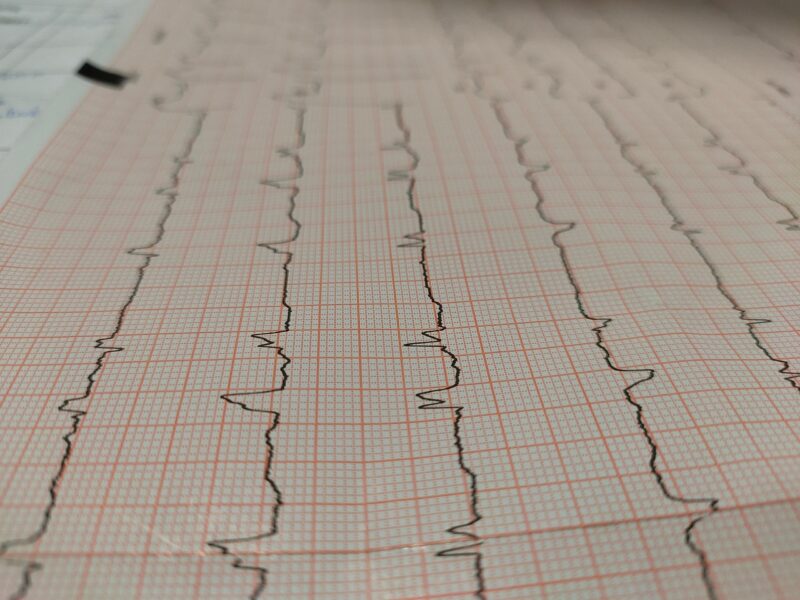
The standard 12-lead electrocardiogram remains the cornerstone of SVT diagnosis when obtained during an episode. Research emphasizes the importance of capturing ECG recordings during symptomatic periods, as rhythm disturbances may not be evident during normal sinus rhythm.
Key electrocardiographic features that help differentiate SVT types include QRS width, regularity of rhythm, and relationship between P waves and QRS complexes. Studies indicate that these characteristics can often distinguish between AVNRT, AVRT, and atrial tachycardia, though sometimes additional testing is required for definitive diagnosis.
AVNRT Characteristics: Electrocardiographic studies show that AVNRT typically produces narrow QRS complexes with rates between 150-220 beats per minute. P waves are often hidden within or immediately after QRS complexes, creating a characteristic appearance where atrial and ventricular activation occur nearly simultaneously.
AVRT Characteristics: Research indicates that orthodromic AVRT produces narrow QRS complexes similar to AVNRT, but P waves are typically visible in the ST segment or T wave, reflecting the sequence of ventricular activation followed by retrograde atrial activation through the accessory pathway.
Atrial Tachycardia Characteristics: Studies demonstrate that atrial tachycardia shows distinct P waves that precede each QRS complex, with P wave morphology often differing from normal sinus rhythm. The rate may be more variable than other SVT types, particularly in multifocal atrial tachycardia.
Ambulatory Monitoring
The intermittent nature of many SVT episodes necessitates prolonged monitoring strategies that extend beyond brief office visits. Various ambulatory monitoring technologies offer different advantages based on symptom frequency and diagnostic requirements.
Holter Monitoring: Traditional 24 to 48-hour continuous ECG recording provides valuable information about arrhythmia burden, episode characteristics, and symptom-rhythm correlations. Studies indicate that Holter monitoring is most effective for patients experiencing daily or frequent symptoms.
Research demonstrates that modern Holter systems incorporate sophisticated algorithms for automatic arrhythmia detection, though manual review by trained technicians remains essential for accurate interpretation. The diagnostic yield depends heavily on symptom frequency during the monitoring period.
Event Monitors: Patient-activated and auto-triggered event monitors extend monitoring duration while focusing on symptomatic episodes. Studies show that event monitors achieve higher diagnostic yields than Holter monitoring for infrequent symptoms, with detection rates improving as monitoring duration increases.
Loop recorders store continuous ECG data in a circular memory buffer, allowing capture of rhythm information before, during, and after triggering events. Research indicates that this capability is particularly valuable for evaluating presyncope or syncope that may be related to SVT episodes.
Mobile Cardiac Telemetry: Real-time monitoring systems provide immediate notification of detected arrhythmias and enable extended monitoring periods. Studies suggest that mobile telemetry may be particularly useful for patients with concerning symptoms or those requiring close monitoring during treatment initiation.
Electrophysiology Studies
Invasive electrophysiology studies provide the most detailed assessment of SVT mechanisms and represent the gold standard for definitive diagnosis in complex cases. These procedures involve placement of specialized catheters within the heart to record electrical activity and perform programmed stimulation protocols.
Diagnostic Indications: Research indicates that electrophysiology studies are particularly valuable for patients considering catheter ablation, those with wide-complex tachycardias requiring differentiation from ventricular arrhythmias, and individuals with recurrent symptoms despite medical therapy.
Mechanistic Assessment: Studies demonstrate that electrophysiology procedures can definitively distinguish between different SVT mechanisms, identify exact anatomical locations of accessory pathways, and assess the potential for inducible arrhythmias through programmed stimulation.
Mapping Techniques: Advanced three-dimensional mapping systems create detailed representations of cardiac electrical activation patterns, enabling precise localization of arrhythmia circuits and critical components that may be targets for ablation therapy.
Provocative Testing
Various maneuvers and pharmacological tests can help diagnose SVT and determine appropriate treatment responses. Studies indicate that these techniques are particularly useful when spontaneous episodes are infrequent or when assessing treatment efficacy.
Vagal Maneuvers: Simple bedside techniques including carotid sinus massage, Valsalva maneuver, and ice water facial immersion can sometimes terminate SVT episodes while providing diagnostic information. Research demonstrates that successful termination with vagal maneuvers supports the diagnosis of AVNRT or AVRT.
Pharmacological Testing: Certain medications can be used diagnostically to differentiate SVT types or assess treatment responses. Studies indicate that adenosine administration can terminate most forms of SVT while providing information about arrhythmia mechanisms based on the response pattern.
Exercise Testing: Stress testing may be valuable for patients who experience exercise-induced symptoms or when inappropriate sinus tachycardia is suspected. Research suggests that exercise protocols can help distinguish between appropriate physiological responses and pathological tachycardia patterns.
Treatment Approaches
The management of supraventricular tachycardia has evolved significantly with advances in both pharmacological therapy and interventional procedures. Treatment decisions require careful consideration of episode frequency, symptom severity, patient preferences, and individual risk factors.
Acute Episode Management
Most patients with SVT can learn techniques for managing acute episodes, though the effectiveness varies among individuals and SVT types. Research indicates that vagal maneuvers represent first-line treatment for terminating episodes of AVNRT and AVRT.
Vagal Maneuvers: Studies demonstrate that various techniques can increase vagal tone and terminate re-entrant SVT. The Valsalva maneuver, performed by forceful exhalation against a closed airway, represents the most commonly recommended technique. Research suggests that modified Valsalva techniques may improve success rates compared to traditional approaches.
Carotid sinus massage involves gentle pressure applied to the carotid artery in the neck and can effectively terminate SVT episodes. However, studies emphasize that this technique should only be performed by trained healthcare providers due to potential risks in patients with carotid artery disease.
Ice water facial immersion or application of cold packs to the face can trigger the diving reflex and increase vagal tone. Research indicates that this technique may be particularly effective in young patients and can be safely performed at home.
Pharmacological Termination: When vagal maneuvers are unsuccessful, various medications can effectively terminate SVT episodes. Adenosine represents the medication of choice for most forms of SVT due to its rapid onset and short duration of action.
Studies demonstrate that adenosine successfully terminates approximately 90% of AVNRT and orthodromic AVRT episodes when administered intravenously. The medication works by temporarily blocking electrical conduction through the AV node, interrupting the re-entrant circuit.
Alternative medications including calcium channel blockers and beta-blockers may be used when adenosine is contraindicated or unsuccessful. Research indicates that these agents can effectively terminate SVT episodes, though their longer duration of action requires more careful monitoring.
Long-term Management Strategies
Patients with recurrent SVT episodes may require long-term management strategies to reduce episode frequency and severity. Treatment approaches range from lifestyle modifications to daily medications and definitive procedural interventions.
Medication Therapy: Various classes of medications can effectively reduce SVT episode frequency and severity. Beta-blockers represent one of the most commonly prescribed medication classes for SVT prevention, with studies demonstrating their effectiveness in reducing episode frequency by 50-70% in many patients.
Calcium channel blockers, particularly those affecting the AV node such as verapamil and diltiazem, can effectively prevent SVT episodes through their effects on cardiac electrophysiology. Research indicates that these medications may be particularly effective for AVNRT prevention.
Antiarrhythmic medications including flecainide and propafenone may be considered for patients with frequent episodes not adequately controlled with AV node blocking agents. Studies suggest that these medications can be highly effective but require careful monitoring due to potential side effects and contraindications.
“Pill-in-the-Pocket” Approach: Some patients may benefit from taking medications only when episodes occur rather than daily prophylaxis. Research indicates that this approach can be effective for patients with infrequent but predictable episodes who can safely self-administer medications.
Studies demonstrate that certain patients can successfully use oral medications such as diltiazem or metoprolol to terminate episodes at home, reducing the need for emergency medical care. This approach requires careful patient selection and education about appropriate usage and safety precautions.
Catheter Ablation
Catheter ablation has emerged as a highly effective treatment option for patients with recurrent SVT, offering the potential for permanent cure with acceptable procedural risks. Research indicates that ablation success rates exceed 95% for most forms of SVT when performed by experienced electrophysiologists.
AVNRT Ablation: Studies demonstrate that slow pathway modification represents the standard approach for AVNRT ablation, with success rates exceeding 97% and very low risk of complications. The procedure involves precise delivery of radiofrequency energy to modify the slow pathway while preserving normal AV node function.
Research indicates that AVNRT ablation is associated with less than 1% risk of complete heart block requiring permanent pacemaker implantation. Most patients experience immediate resolution of symptoms with very low recurrence rates.
AVRT Ablation: Accessory pathway ablation for AVRT achieves success rates of 90-98% depending on pathway location and characteristics. Studies show that left-sided pathways may require transseptal puncture or retrograde aortic approach, while right-sided pathways can typically be accessed from the venous system.
Research demonstrates that accessory pathway ablation eliminates both the tachycardia episodes and the pre-excitation pattern seen on ECG in Wolff-Parkinson-White syndrome. The procedure can often be completed in a single session with low complication rates.
Atrial Tachycardia Ablation: Focal atrial tachycardia ablation involves precise mapping to identify the specific origin of abnormal electrical activity. Studies indicate that success rates range from 85-95% depending on the location and characteristics of the ectopic focus. Research demonstrates that some atrial tachycardia foci may be located in challenging anatomical areas that require specialized mapping techniques.
Advanced mapping systems enable three-dimensional reconstruction of atrial anatomy and precise localization of tachycardia origins. Studies suggest that ablation success depends on accurate identification of the earliest site of electrical activation during tachycardia episodes.
Procedural Considerations: Modern ablation procedures typically require conscious sedation and last 2-4 hours depending on complexity. Research indicates that most patients can be discharged the same day or after overnight observation. Long-term success rates remain excellent, with studies showing that most patients experience complete resolution of symptoms without need for ongoing medications.
Surgical Options
While catheter ablation has largely replaced surgical interventions for SVT, certain complex cases may still require surgical approaches. Studies indicate that surgical treatment is typically reserved for patients undergoing other cardiac procedures or those with failed catheter ablation attempts.
Surgical Accessory Pathway Division: Research demonstrates that surgical division of accessory pathways can achieve success rates similar to catheter ablation, though the invasive nature of surgery makes it less desirable as first-line therapy. Studies suggest that surgical approaches may be considered for pathways in locations that are difficult to access with catheter techniques.
Maze Procedures: For patients with atrial tachycardia associated with other cardiac conditions requiring surgery, maze procedures can create lines of conduction block that prevent arrhythmia propagation. Research indicates that these techniques can be effective but are typically reserved for complex cases.
Emergency Management
Understanding when supraventricular tachycardia episodes require emergency medical attention enables patients to respond appropriately while avoiding unnecessary emergency visits for self-limited episodes. Research emphasizes the importance of developing individualized action plans that specify when to seek immediate care.
When to Seek Emergency Care
Certain symptoms during SVT episodes warrant immediate medical attention regardless of previous episode patterns. Studies indicate that patients should seek emergency care if they experience chest pain with palpitations, severe shortness of breath, loss of consciousness, or persistent dizziness with rapid heartbeat.
Hemodynamic Instability: Research demonstrates that SVT episodes causing significant blood pressure drops, altered mental status, or signs of heart failure require immediate medical intervention. These symptoms may indicate that the rapid heart rate is compromising cardiac output and organ perfusion.
Prolonged Episodes: While some SVT episodes resolve spontaneously within minutes, sustained episodes lasting several hours may require medical termination. Studies suggest that prolonged rapid heart rates can lead to tachycardia-induced cardiomyopathy in susceptible individuals.
New or Different Symptoms: Patients who experience symptoms that differ significantly from their usual SVT pattern should seek medical evaluation. Research indicates that changes in episode characteristics may reflect different arrhythmia mechanisms or development of additional cardiac conditions.
Emergency Department Management
Emergency departments have established protocols for SVT evaluation and treatment that prioritize patient safety while efficiently managing episodes. Studies demonstrate that most SVT episodes can be successfully terminated in the emergency setting using standardized approaches.
Initial Assessment: Research indicates that emergency evaluation includes assessment of vital signs, symptoms, and electrocardiographic confirmation of SVT. Continuous cardiac monitoring enables real-time assessment of rhythm changes and treatment responses.
Vagal Maneuvers: Studies show that emergency providers often attempt vagal maneuvers as first-line treatment, particularly modified Valsalva techniques that may have higher success rates than traditional approaches. Research demonstrates that these techniques can successfully terminate 20-40% of SVT episodes.
Pharmacological Intervention: When vagal maneuvers are unsuccessful, intravenous adenosine represents standard emergency treatment for SVT. Studies indicate that adenosine successfully terminates approximately 90% of AVNRT and AVRT episodes when administered according to established protocols.
Research demonstrates that adenosine dosing typically begins with 6 mg intravenous push, followed by 12 mg if the initial dose is unsuccessful. The medication’s short half-life means that effects wear off within 1-2 minutes, making it relatively safe for emergency use.
Alternative Medications: When adenosine is contraindicated or unsuccessful, emergency providers may use calcium channel blockers or beta-blockers. Studies indicate that these medications can effectively terminate SVT episodes, though their longer duration of action requires more careful monitoring.
Electrical Cardioversion: Research shows that synchronized electrical cardioversion is rarely required for hemodynamically stable SVT, but may be necessary for patients with severe symptoms or hemodynamic compromise. Studies demonstrate that electrical cardioversion is highly effective but is typically reserved for urgent situations.
Post-Episode Management
After successful episode termination, emergency providers typically monitor patients for a brief period to ensure stability and provide education about follow-up care. Research indicates that most patients can be safely discharged from the emergency department after successful SVT termination.
Discharge Planning: Studies suggest that patients should receive clear instructions about when to seek follow-up care, how to monitor for recurrent symptoms, and what to do if episodes recur. Written action plans can help patients respond appropriately to future episodes.
Cardiology Referral: Research indicates that patients with new-onset SVT or those experiencing frequent episodes should receive cardiology consultation to discuss long-term management options. Studies demonstrate that early specialist evaluation can improve outcomes and quality of life.
Medication Considerations: Some patients may benefit from short-term medications to prevent recurrent episodes while awaiting specialist evaluation. Research suggests that this approach can reduce emergency department visits and improve patient comfort during the evaluation period.
Long-term Management and Prognosis
The long-term outlook for patients with supraventricular tachycardia is generally excellent, with most individuals able to maintain normal quality of life through appropriate management strategies. Research consistently demonstrates that SVT rarely leads to serious complications when properly diagnosed and treated.
Prognosis and Life Expectancy
Studies indicate that SVT does not typically affect life expectancy in patients with structurally normal hearts. The condition is generally considered benign from a prognostic standpoint, though symptoms can significantly impact quality of life if left untreated.
Research demonstrates that the prognosis for SVT patients depends more on underlying cardiac conditions than on the arrhythmia itself. Patients with structural heart disease may face additional considerations, though SVT management remains highly effective in most cases.
Quality of Life Considerations: Studies using validated quality of life instruments show that untreated SVT can significantly impact daily functioning, work performance, and psychological well-being. However, research indicates that appropriate treatment usually results in marked improvement in quality of life measures.
Symptom Progression: Clinical studies suggest that SVT episodes may become more frequent over time in some patients, though the progression is typically gradual and varies considerably among individuals. Research indicates that early intervention can often prevent symptom progression and improve long-term outcomes.
Monitoring and Follow-up
Long-term management of SVT typically involves periodic cardiology follow-up to assess symptom control, medication effectiveness, and consideration of treatment modifications. Research emphasizes the importance of ongoing communication between patients and healthcare providers to optimize management strategies.
Symptom Tracking: Studies suggest that patients benefit from maintaining symptom diaries that record episode frequency, duration, triggers, and response to treatments. This information helps healthcare providers adjust management strategies and assess treatment effectiveness.
Medication Monitoring: Patients receiving long-term antiarrhythmic therapy require periodic monitoring for medication effectiveness and potential side effects. Research indicates that regular assessment enables optimization of medication regimens and early detection of adverse effects.
Device Follow-up: Patients who undergo catheter ablation typically require follow-up evaluation to assess procedural success and monitor for potential complications. Studies demonstrate that most patients experience sustained improvement following successful ablation procedures.
Lifestyle Considerations
Most patients with well-controlled SVT can participate in normal activities including exercise, travel, and occupational responsibilities. Research indicates that lifestyle restrictions are rarely necessary when episodes are adequately managed.
Exercise and Physical Activity: Studies demonstrate that regular exercise is generally beneficial for cardiovascular health and may help reduce SVT episode frequency in some patients. However, patients should work with healthcare providers to determine appropriate exercise levels and identify any activity-related triggers.
Occupational Considerations: Most patients with SVT can continue their usual work activities without restriction. Research indicates that certain occupations with safety implications may require individual assessment, though complete work restrictions are rarely necessary.
Pregnancy and Family Planning: Studies suggest that SVT during pregnancy is generally well-tolerated and can be safely managed with appropriate medical supervision. Research indicates that pregnancy may affect episode frequency in some women, requiring adjustment of management strategies.
Living with SVT
Adapting to life with supraventricular tachycardia involves developing effective coping strategies, understanding personal triggers, and maintaining open communication with healthcare providers. Research indicates that patient education and support significantly improve outcomes and quality of life.
Coping Strategies
Patients often develop personalized techniques for managing SVT episodes and reducing their impact on daily life. Studies suggest that understanding the condition and having a plan for episode management can significantly reduce anxiety and improve confidence in dealing with symptoms.
Stress Management: Research demonstrates that stress reduction techniques including meditation, deep breathing exercises, and regular relaxation practices may help reduce SVT episode frequency in some patients. Studies indicate that the relationship between stress and SVT varies among individuals, making personal assessment important.
Sleep Optimization: Adequate sleep quality and duration appear important for overall cardiovascular health and may influence SVT frequency. Research suggests that sleep disorders such as sleep apnea should be evaluated and treated in patients with frequent arrhythmic episodes.
Trigger Identification: Studies emphasize the value of patients learning to identify their personal SVT triggers through careful observation and symptom tracking. Common triggers include caffeine, alcohol, stress, certain positions, and specific activities, though individual patterns vary significantly.
Support Systems
Family members, friends, and healthcare providers play important roles in SVT management and patient support. Research indicates that education of family members about the condition can improve emergency response and reduce anxiety for both patients and their loved ones.
Patient Support Groups: Studies suggest that connecting with other SVT patients through support groups or online communities can provide valuable emotional support and practical advice. Research indicates that peer support can improve treatment adherence and quality of life.
Healthcare Team Communication: Maintaining regular communication with healthcare providers enables optimization of treatment strategies and prompt addressing of concerns. Studies demonstrate that patients who actively participate in their care typically achieve better outcomes.
Technology and Monitoring
Modern technology offers various tools that can help patients monitor their condition and communicate with healthcare providers. Research indicates that these technologies can improve care while providing patients with greater confidence in managing their condition.
Smartphone ECG Devices: Consumer-grade ECG monitoring devices can enable patients to record their heart rhythm during symptomatic episodes. Studies suggest that these recordings can provide valuable information for healthcare providers, though proper interpretation requires medical expertise.
Symptom Tracking Apps: Digital tools for tracking symptoms, triggers, and medication effectiveness can facilitate communication with healthcare providers and help identify patterns that inform treatment decisions. Research indicates that consistent tracking can improve management outcomes.
Prevention Strategies
While not all SVT episodes are preventable, understanding potential triggers and implementing appropriate lifestyle modifications can reduce episode frequency and severity in many patients. Research emphasizes that prevention strategies should be individualized based on personal trigger patterns and underlying health conditions.
Lifestyle Modifications
Studies indicate that various lifestyle factors may influence SVT frequency and severity, though individual responses vary considerably. Research suggests that patients benefit from working with healthcare providers to identify effective prevention strategies based on their specific situation.
Caffeine Management: While complete caffeine avoidance is rarely necessary, some patients may benefit from reducing or timing caffeine consumption based on their individual sensitivity. Studies suggest that moderate caffeine intake is generally safe for most SVT patients, though individual assessment remains important.
Alcohol Moderation: Research indicates that excessive alcohol consumption can trigger SVT episodes in some patients. Studies suggest that moderation rather than complete avoidance is typically recommended, though individual tolerance varies significantly.
Hydration and Electrolyte Balance: Maintaining adequate hydration and electrolyte balance may help reduce SVT susceptibility in some patients. Research indicates that dehydration and electrolyte abnormalities can affect cardiac electrophysiology and potentially trigger arrhythmic episodes.
Stress Management
Psychological stress represents one of the most commonly reported SVT triggers, making stress management an important component of prevention strategies. Studies demonstrate that various stress reduction techniques can be effective, though individual preferences and responses vary.
Relaxation Techniques: Research indicates that regular practice of relaxation techniques including deep breathing, progressive muscle relaxation, and meditation may help reduce SVT frequency in stress-sensitive patients. Studies suggest that the benefit may result from both acute stress reduction and long-term improvements in stress resilience.
Exercise and Physical Activity: Regular moderate exercise generally provides cardiovascular benefits and may help reduce stress levels. Research indicates that appropriate exercise can be beneficial for most SVT patients, though individual exercise plans should be developed with healthcare provider guidance.
Sleep Hygiene: Adequate sleep quality and duration support overall health and may influence SVT frequency. Studies suggest that maintaining consistent sleep schedules and optimizing sleep environment can contribute to arrhythmia management.
Medical Management
Ongoing medical management may include preventive medications, treatment of underlying conditions, and regular monitoring to optimize SVT control. Research emphasizes the importance of individualized approaches based on episode frequency, symptoms, and patient preferences.
Underlying Condition Treatment: Addressing conditions such as hyperthyroidism, sleep apnea, and hypertension that may contribute to SVT development can improve overall arrhythmia control. Studies indicate that effective treatment of underlying conditions often reduces SVT burden.
Medication Optimization: For patients requiring preventive medications, regular assessment and adjustment of treatment regimens can optimize effectiveness while minimizing side effects. Research demonstrates that individualized medication management improves outcomes and treatment satisfaction.
Regular Follow-up: Periodic cardiology evaluation enables assessment of treatment effectiveness, consideration of new therapeutic options, and adjustment of management strategies based on changing symptoms or life circumstances. Studies indicate that proactive management improves long-term outcomes.
Frequently Asked Questions
Q: Is supraventricular tachycardia dangerous or life-threatening?
A: For most patients with structurally normal hearts, SVT is not considered life-threatening. Studies consistently demonstrate that SVT rarely causes serious complications in healthy individuals, though episodes can be quite uncomfortable and concerning when they occur.
The primary risks associated with SVT relate to symptoms such as dizziness or fainting that could lead to injury, particularly if episodes occur during activities like driving. Research indicates that prolonged, very rapid episodes could potentially affect heart function in susceptible individuals, but this is uncommon with appropriate management.
However, patients with underlying heart disease may face additional considerations, and any concerning symptoms during episodes should prompt medical evaluation. The key is proper diagnosis and appropriate management to minimize symptoms and ensure optimal outcomes.
Q: Can SVT episodes be prevented completely?
A: While complete prevention of all SVT episodes may not be possible for every patient, research demonstrates that episode frequency and severity can often be significantly reduced through appropriate management strategies. Studies indicate that many patients experience substantial improvement with proper treatment.
Prevention approaches may include medications that reduce episode frequency, lifestyle modifications to avoid identified triggers, stress management techniques, and treatment of underlying conditions that may contribute to SVT development. For some patients, catheter ablation can provide long-term freedom from episodes.
The effectiveness of prevention strategies varies among individuals, and what works best often requires individualized assessment and trial of different approaches under medical supervision.
Q: Will I need to take medications for the rest of my life?
A: The need for long-term medications depends on several factors including episode frequency, symptom severity, response to treatment, and individual preferences. Research indicates that many patients do not require lifelong medication therapy for SVT management.
Some patients may need medications only during periods of increased episode frequency, while others may benefit from continuous preventive therapy. Studies demonstrate that catheter ablation can eliminate the need for medications in many patients by permanently correcting the underlying electrical abnormality.
Treatment plans should be regularly reassessed with healthcare providers, as medication needs may change over time based on symptom patterns, lifestyle factors, and treatment response.
Q: Can I exercise normally with SVT?
A: Most patients with SVT can participate in regular exercise and physical activities with appropriate precautions and medical guidance. Studies indicate that exercise is generally beneficial for cardiovascular health and may help reduce episode frequency in some patients.
However, individual exercise recommendations should be developed with healthcare providers based on factors including SVT type, episode triggers, symptom severity, and underlying heart condition. Some patients may need to modify exercise intensity or avoid specific activities that trigger episodes.
Research suggests that gradual exercise progression under medical supervision is typically safe and beneficial for most SVT patients. The goal is to maintain physical fitness while minimizing episode risk.
Q: How do I know if my episode requires emergency care?
A: Patients should seek immediate medical attention if they experience chest pain with palpitations, severe shortness of breath, fainting, persistent dizziness, or if an episode feels significantly different from their usual pattern. Studies indicate that these symptoms may suggest hemodynamic compromise requiring prompt treatment.
Additionally, episodes lasting several hours without spontaneous termination may warrant medical evaluation, particularly if home management techniques are unsuccessful. Research emphasizes the importance of developing individualized action plans with healthcare providers that specify when to seek emergency care.
When in doubt, it’s generally better to seek medical evaluation rather than waiting, particularly for patients with new-onset symptoms or those without established diagnosis and management plans.
Q: Can stress really trigger SVT episodes?
A: Research consistently demonstrates that psychological stress can trigger SVT episodes in many patients through activation of the sympathetic nervous system and release of stress hormones that affect cardiac electrophysiology. Studies indicate that both acute emotional stress and chronic stress may influence episode frequency.
The relationship between stress and SVT appears to vary significantly among individuals, with some patients being particularly stress-sensitive while others notice little correlation. Stress management techniques including relaxation exercises, regular exercise, and psychological counseling may help reduce episode frequency in stress-sensitive patients.
However, patients should not assume that stress management alone is sufficient treatment for diagnosed SVT without appropriate medical evaluation and management.
Q: Will SVT affect my ability to have children?
A: SVT generally does not affect fertility or the ability to have children. Studies indicate that pregnancy is usually well-tolerated in women with SVT, though episode frequency may change during pregnancy due to hormonal and physiological changes.
Research demonstrates that most SVT medications can be safely used during pregnancy when necessary, though treatment plans may need adjustment under specialized medical supervision. Some patients may experience increased episodes during pregnancy, while others may notice improvement.
Women with SVT who are planning pregnancy should discuss their condition with both their cardiologist and obstetrician to develop appropriate monitoring and management plans that ensure optimal outcomes for both mother and baby.
Q: Can children have SVT?
A: SVT can occur in children and is actually one of the most common arrhythmias in pediatric patients. Studies indicate that children with SVT may have different underlying mechanisms compared to adults, with accessory pathways being more common in younger patients.
Research demonstrates that children often tolerate SVT episodes better than adults due to their generally healthy cardiovascular systems, though symptoms can still be concerning for both children and parents. Treatment approaches in children may differ from adult management and require specialized pediatric cardiology expertise.
Many children with SVT can be effectively managed with medications or catheter ablation when appropriate, allowing normal growth, development, and activity participation under proper medical supervision.
Medical Disclaimer: This comprehensive guide is provided for educational and informational purposes only and is not intended as a substitute for professional medical advice, diagnosis, or treatment. Always seek the advice of qualified healthcare providers regarding any medical condition or treatment decisions. Never disregard professional medical advice or delay seeking treatment because of information found in this article.
The information presented here represents current medical understanding based on available scientific evidence and may not reflect the most recent research developments. Individual cases may vary significantly, and treatment approaches should always be personalized under professional medical supervision. If you have a medical emergency, contact your local emergency services immediately.
Patients should not make changes to their medications, treatments, or activity levels based solely on information in this article without consulting their healthcare providers. The management of supraventricular tachycardia requires individualized assessment that considers multiple factors including specific arrhythmia characteristics, underlying health conditions, and patient-specific risk factors.
Sources and References
- Katritsis, D. G., Boriani, G., Cosio, F. G., Hindricks, G., Jaïs, P., Josephson, M. E., … & Zeppenfeld, K. (2019). European Heart Rhythm Association (EHRA) consensus document on the management of supraventricular arrhythmias, endorsed by Heart Rhythm Society (HRS), Asia-Pacific Heart Rhythm Society (APHRS), and Sociedad Latinoamericana de Estimulación Cardíaca y Electrofisiología (SOLAECE). Europace, 21(4), 465-496.
- Page, R. L., Joglar, J. A., Caldwell, M. A., Calkins, H., Conti, J. B., Deal, B. J., … & Al-Khatib, S. M. (2016). 2015 ACC/AHA/HRS guideline for the management of adult patients with supraventricular tachycardia. Journal of the American College of Cardiology, 67(13), e27-e115.
- Brugada, J., Katritsis, D. G., Arbelo, E., Arribas, F., Bax, J. J., Blomström-Lundqvist, C., … & Vardas, P. (2020). 2019 ESC Guidelines for the management of patients with supraventricular tachycardia. European Heart Journal, 41(5), 655-720.
- Josephson, M. E. (2018). Josephson’s Clinical Cardiac Electrophysiology: Techniques and Interpretations (5th ed.). Lippincott Williams & Wilkins.
- Orejarena, L. A., Vidaillet Jr, H., DeStefano, F., Nordstrom, D. L., Vierkant, R. A., Smith, P. N., & Hayes, J. J. (1998). Paroxysmal supraventricular tachycardia in the general population. Journal of the American College of Cardiology, 31(1), 150-157.
- Pappone, C., Santinelli, V., Manguso, F., Vicedomini, G., Gugliotta, F., Augello, G., … & Rosanio, S. (2004). Pulmonary vein denervation enhances long-term benefit after circumferential ablation for paroxysmal atrial fibrillation. Circulation, 109(3), 327-334.
- Spector, P., Reynolds, M. R., Calkins, H., Sondhi, M., Xu, Y., Martin, A., … & Zimetbaum, P. (2009). Meta-analysis of ablation of atrial flutter and supraventricular tachycardia. The American Journal of Cardiology, 104(5), 671-677.
- Calkins, H., Yong, P., Miller, J. M., Olshansky, B., Carlson, M., Saul, J. P., … & Prystowsky, E. N. (1999). Catheter ablation of accessory pathways, atrioventricular nodal reentrant tachycardia, and the atrioventricular junction: final results of a prospective, multicenter clinical trial. Circulation, 99(2), 262-270.
- Delacretaz, E. (2006). Clinical practice. Supraventricular tachycardia. New England Journal of Medicine, 354(10), 1039-1051.
- Van Hare, G. F., Lesh, M. D., Ross, B. A., Perry, J. C., & Dorostkar, P. C. (1996). Mapping and radiofrequency ablation of intraatrial reentrant tachycardia after the Senning or Mustard procedure for transposition of the great arteries. The American Journal of Cardiology, 77(11), 985-991.
Read more
American Heart Association (AHA)
- https://www.heart.org/en/health-topics/arrhythmia/about-arrhythmia/tachycardia–fast-heart-rate
- https://www.heart.org/en/health-topics/arrhythmia/about-arrhythmia/supraventricular-tachycardia-svt
Heart Rhythm Society (HRS)
- https://www.hrsonline.org/patient-resources/heart-rhythm-disorders/supraventricular-tachycardia-svt
- https://www.uptobeat.org/heart-rhythm-disorders/supraventricular-tachycardia
American College of Cardiology (ACC)